

In a shocking announcement on March 2, first reported by The Cut, luxury womenswear brand Hanifa shared that it would be pausing production indefinitely. The announcement follows months of online discourse surrounding delayed shipping and customer service concerns raised by customers.
In January, Hanifa posted a video statement on TikTok addressing delayed Black Friday orders, citing manufacturing setbacks and packages held in international customs. The video surpassed 250,000 views on the platform. After that post, the brand did not publish another update until March 2.
In a candid video posted across Hanifa’s social media platforms, CEO and Creative Director Anifa Mvuemba spoke openly about the operational challenges the company has faced with fulfillment and scaling production. Mvuemba described the rapid growth the company has experienced, noting that the surge in demand created more orders than their fulfillment partners were able to handle. She explained that these growing pains ultimately led to the decision to pause operations.
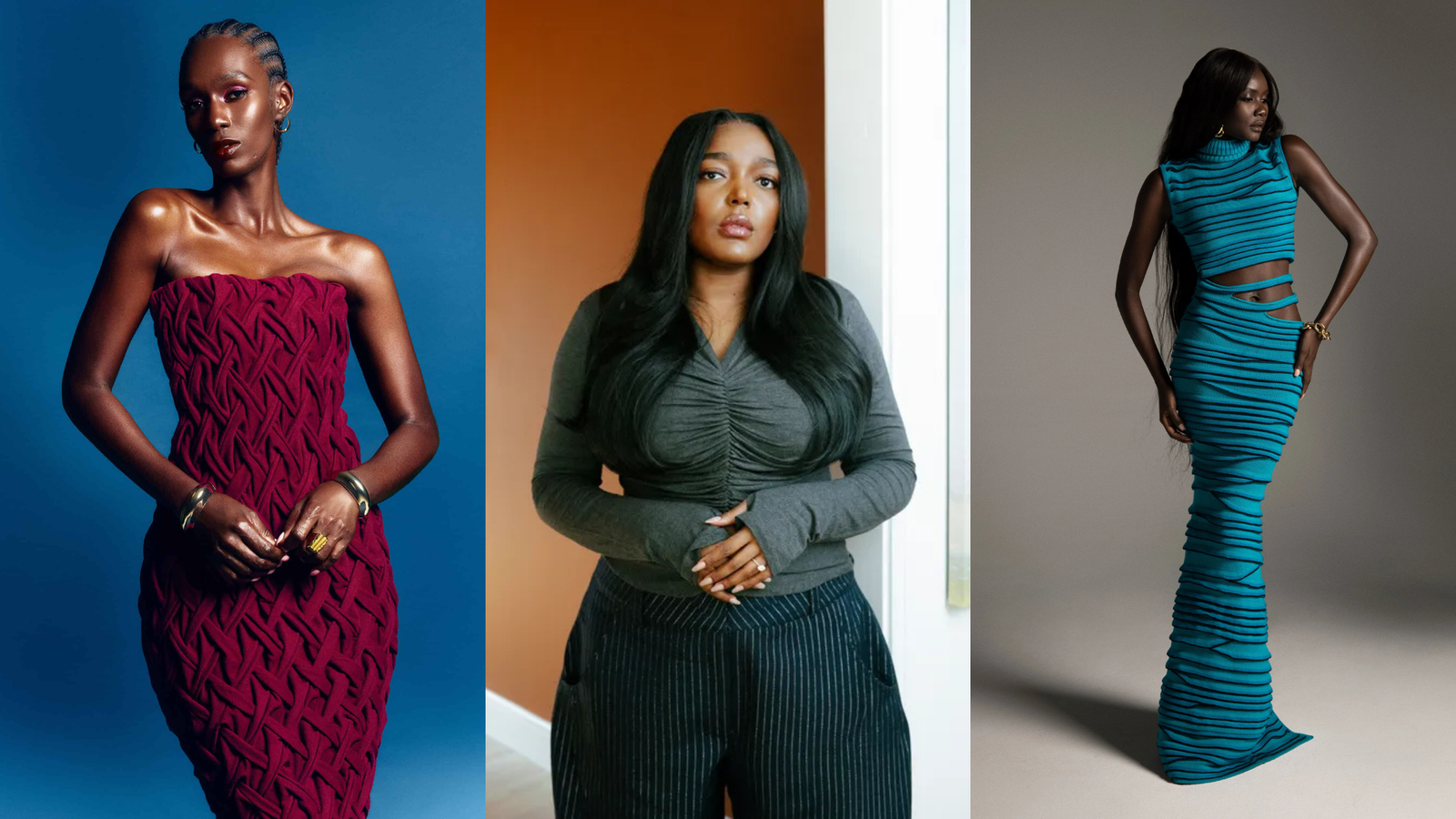
Hanifa has become a prominent luxury brand, featured in publications such as Vogue and Elle and worn by celebrities including Zendaya and Jennifer Hudson. Over nearly 15 years in the industry, the brand has built a significant social media following and a loyal customer base that eagerly shops each launch for its craftsmanship and distinctive designs.
Mvuemba has also been recognized as a trailblazer in fashion, blending technology and design through the brand’s digital runway show during the pandemic, which utilized digital rendering and CGI. She has frequently spoken about the influence of her Congolese heritage on her collections and the importance of representation for young designers who see themselves reflected in her work. In 2022, she shared that 90 percent of Hanifa’s team was made up of Black women.
There is no doubt that the company Mvuemba has built is both exceptional and widely admired. However, the rapid growth in demand appears to have surpassed the infrastructure Hanifa had in place. In trying to grow at the speed the world expected, the brand ultimately fell behind.
Since the announcement, an outpouring of support and disappointment has spread across social media. The news has sparked a broader conversation about how Black owned fashion brands are treated and whether audiences should extend grace when challenges arise, or hold brands accountable when expectations are not met.
The situation also raises larger questions about growth for emerging Black fashion brands. Are these companies expected to keep pace with demand created by viral moments and global exposure? Or should they be allowed the space to grow sustainably and on their own timeline?
Online debates have largely fallen between these two perspectives. Some believe the public response has been too harsh and quick to criticize Hanifa for operational challenges. Others argue that customers are justified in holding the company accountable for delayed orders and communication issues.
On one side of the debate are those who believe Hanifa has the same responsibility as any other brand to fulfill orders in a timely manner and manage customer service professionally. They argue that the scrutiny Hanifa is receiving is no different from what any brand would face under similar circumstances.
There is no doubt that the company Mvuemba has built is both exceptional and widely admired. However, the rapid growth in demand appears to have surpassed the infrastructure Hanifa had in place. In trying to grow at the speed the world expected, the brand ultimately fell behind.
Since the announcement, an outpouring of support and disappointment has spread across social media. The news has sparked a broader conversation about how Black owned fashion brands are treated and whether audiences should extend grace when challenges arise, or hold brands accountable when expectations are not met.
The situation also raises larger questions about growth for emerging Black fashion brands. Are these companies expected to keep pace with demand created by viral moments and global exposure? Or should they be allowed the space to grow sustainably and on their own timeline?
Online debates have largely fallen between these two perspectives. Some believe the public response has been too harsh and quick to criticize Hanifa for operational challenges. Others argue that customers are justified in holding the company accountable for delayed orders and communication issues.
On one side of the debate are those who believe Hanifa has the same responsibility as any other brand to fulfill orders in a timely manner and manage customer service professionally. They argue that the scrutiny Hanifa is receiving is no different from what any brand would face under similar circumstances.
Supporters, however, have been quick to defend the brand. Many argue that longtime admirers have been too quick to turn on the company despite efforts to refund customers and address fulfillment issues.
At the time of writing, Hanifa’s website remains live with inventory still available for purchase. However, the brand shared in a statement on Instagram, “We won’t be restocking anything at this time. We’ll be back when we’re ready.”
Whatever comes next for Anifa Mvuemba and the Hanifa team, many hope the next chapter brings the same creativity and cultural impact that has defined the brand for years.