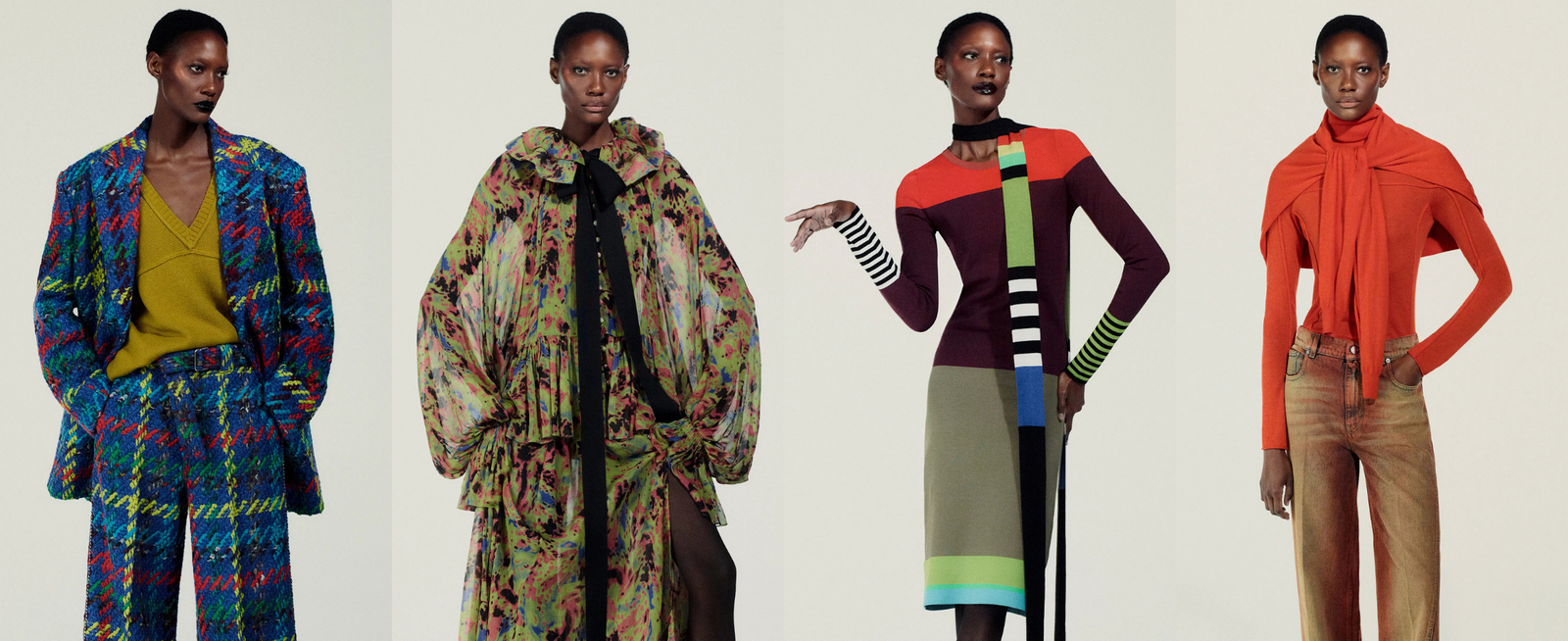


When a particular garment resurfaces across runways, streets, and social media, it often reflects deeper cultural events. Over the past two years, one unexpected accessory has quietly reclaimed center stage in women’s fashion: the tie. Long associated with boardrooms, school uniforms, and traditional masculinity, the tie has reappeared around the necks of women everywhere.
The modern tie trend may look like a simple nod to androgyny or nostalgia for the polished minimalism of the 1990s, yet beneath its aesthetic appeal lies something more symbolic. Women wearing ties today are participating, knowingly or not, in a long tradition of challenging gendered dress codes. At a moment when debates over women’s rights have intensified, the reappearance of the tie feels culturally resonant. Clothing has long been a quiet but powerful site of resistance, and the tie is a small but potent symbol of women demanding authority over their bodies and identities.
To understand why the tie feels meaningful again, we have to look back to the suffragette movement, the twentieth-century feminist dress reforms, and the long history of women wearing “masculine” clothing as an act of liberation.
The Tie as a Style Trend
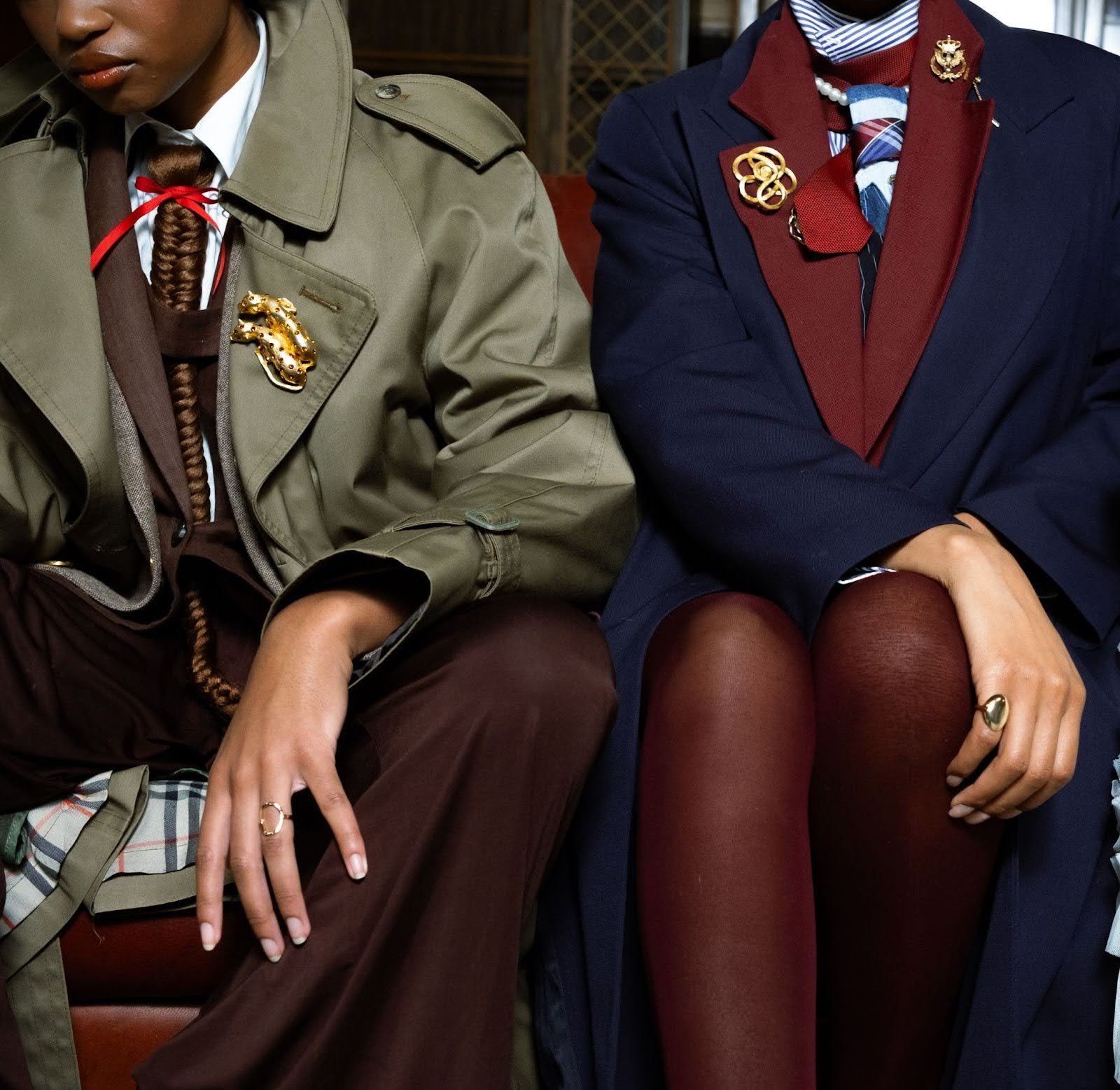
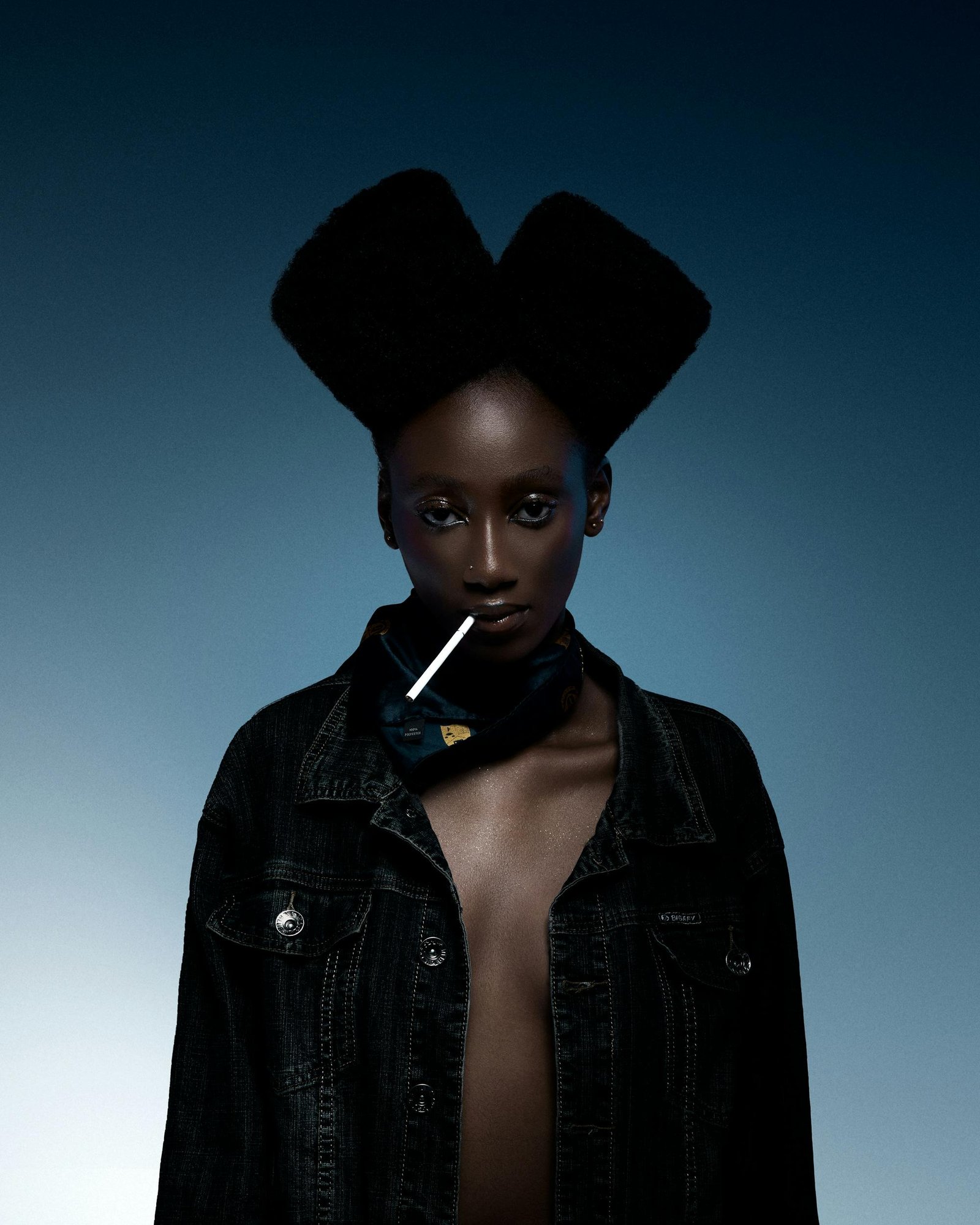
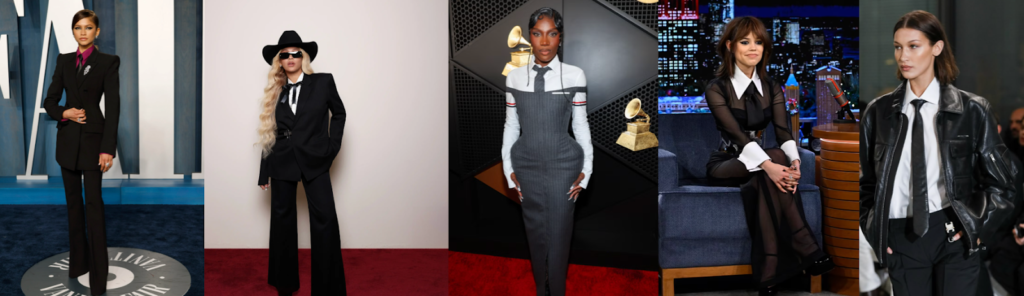
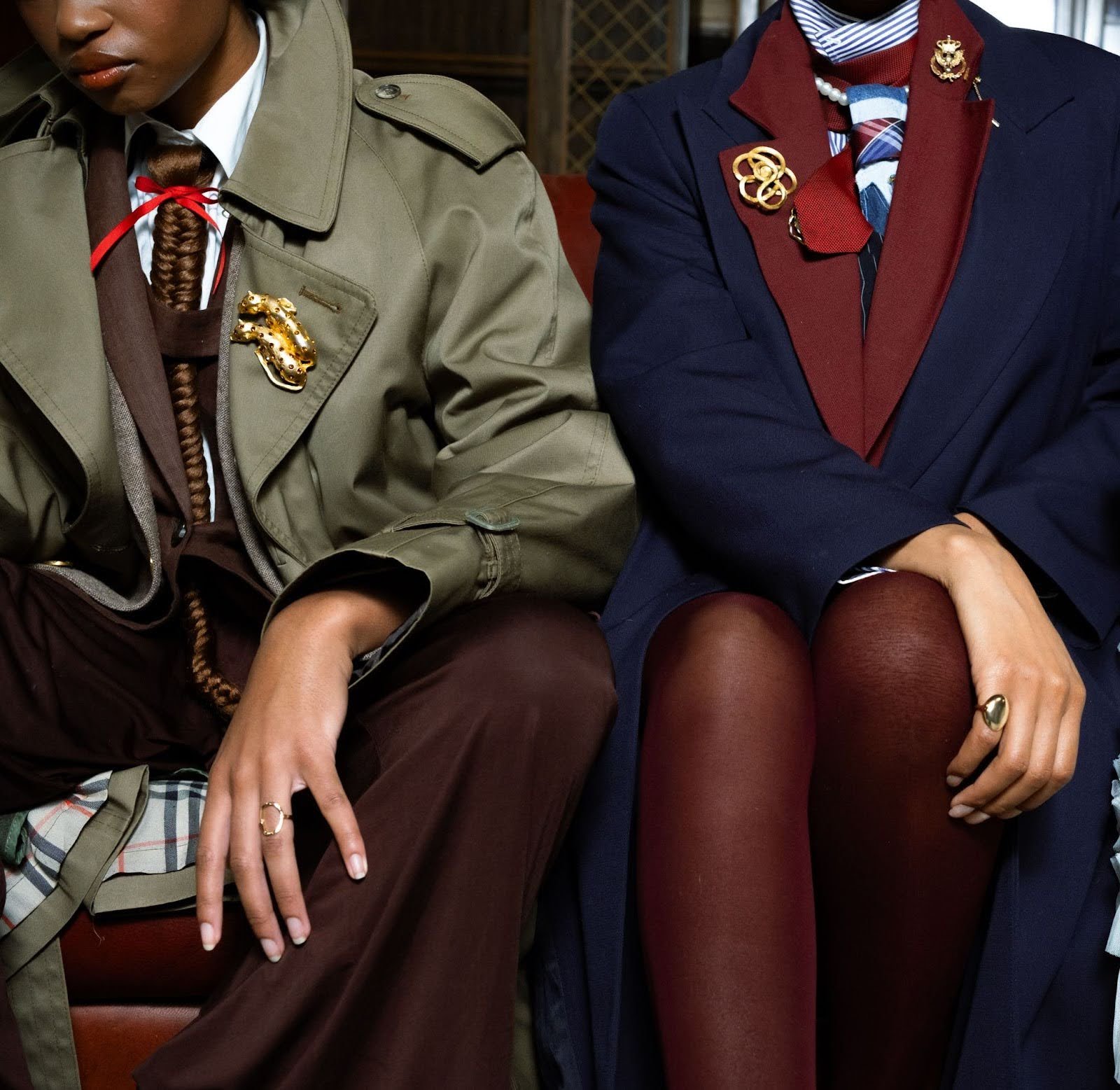
In contemporary fashion, the tie’s resurgence has been impossible to miss. Runways from Saint Laurent to Thom Browne have featured sharply tailored suits paired with slim silk ties worn by female models. Celebrities like Zendaya, Beyoncé, Doechii, Jenna Ortega, and Bella Hadid have embraced the look on red carpets and concert stages.
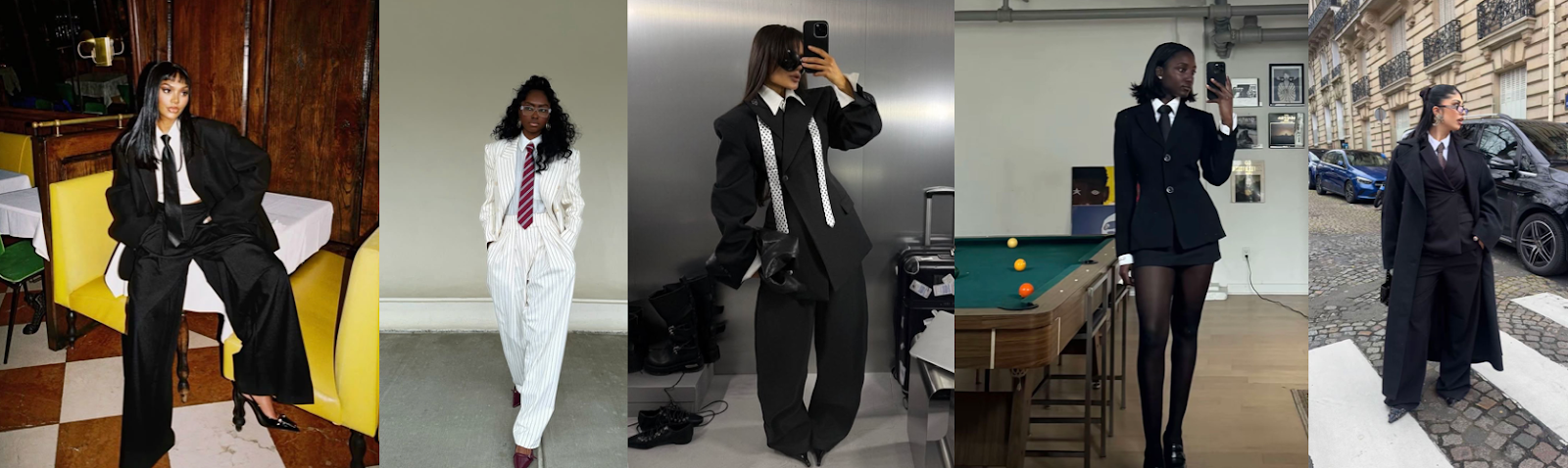
What makes the current tie revival particularly interesting is the way women are styling it. Instead of simply replicating traditional menswear, many wear ties in ways that deliberately disrupt the rules: loosened at the collar, layered over sheer tops, paired with micro skirts, or styled with dramatic tailoring.
In many ways, this approach reflects the broader philosophy of modern fashion. Today’s women freely mix masculine and feminine elements, refusing to be limited by outdated categories. The tie, once a rigid emblem of male professionalism, now becomes a tool of female self-expression. Wearing one can signal confidence, irony, nostalgia, and rebellion all at once. For most of modern Western fashion, ties were not simply uncommon for women; they were actively discouraged, mocked, or even illegal.
Suffragettes and the Early Politics of Dress
Long before the tie entered women’s wardrobes, activists were already using clothing as a form of political messaging. During the late nineteenth and early twentieth centuries, suffragettes fighting for women’s voting rights began challenging restrictive dress codes that literally constrained women’s movement. Bloomers, for example, became a popular substitute for pants and were often worn under dresses. They allowed for enhanced comfort and easier movement.
This early adoption of masculine tailoring was symbolic. If political power had historically been coded as masculine, then borrowing the visual language of male authority became a subtle form of protest.
Second-Wave Feminism and the Rise of the Suit
The relationship between women and menswear intensified during the feminist movements of the twentieth century. In the 1930s, Hollywood actresses famously wore tuxedos in films and public appearances, shocking audiences while simultaneously expanding ideas of femininity. Later, during the 1960s and 70s, the women’s liberation movement pushed fashion further.
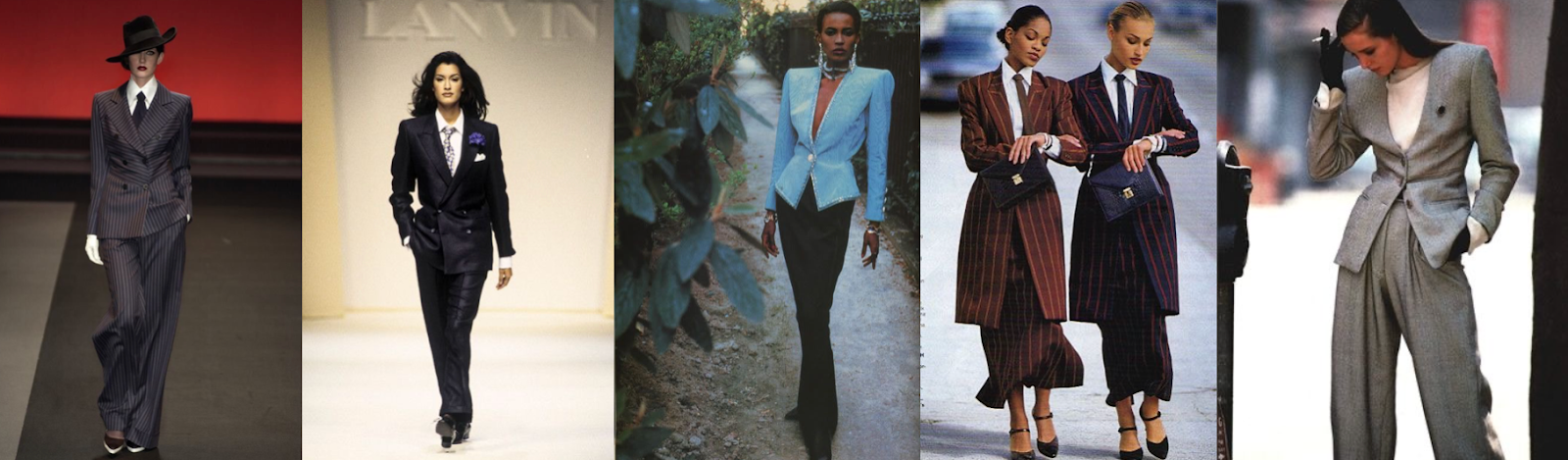
One of the most iconic moments in this evolution came in 1966, when designer Yves Saint Laurent introduced Le Smoking, the first tuxedo suit designed specifically for women. The suit included tailored trousers, a sharply cut jacket, and sometimes a tie or bow tie. It was revolutionary because the design openly embraced masculine formalwear and reframed it as sensual, elegant, and powerful.
Throughout the 1970s and 80s, the “power suit” became a staple for women entering corporate workplaces in larger numbers. Shoulder pads, blazers, and ties appeared in professional wardrobes as visual assertions that women belonged in spaces historically dominated by men. Clothing became armor; wearing masculine tailoring allowed women to navigate environments that still resisted their presence.
When Women’s Clothing Was Literally Policed
Women wearing traditionally masculine clothing were not only socially controversial but also legally restricted all around the world. Several American cities enforced laws that prohibited people from appearing in public wearing clothing associated with the opposite sex. These “cross-dressing laws” were often vague but widely used by authorities to police gender expression.
In many places, women could be harassed, fined, and even arrested for wearing pants unless they had special permission. One of the most famous cases involved Dr. Mary Edwards Walker, a Civil War surgeon and women’s rights advocate who regularly wore trousers and was repeatedly detained for her clothing.
Some cities required individuals to wear at least three articles of clothing associated with their assigned gender, a rule that effectively criminalized anyone wearing full menswear outfits. Although enforcement varied, these laws remained on the books in several U.S. cities well into the mid-twentieth century.
The gradual acceptance of women wearing trousers didn’t truly accelerate until the 1960s and 70s. Even then, resistance lingered. For example, the U.S. Senate did not formally allow women to wear pants on the Senate floor until 1993. Seeing through this lens, the modern tie trend takes on new meaning. A garment that once symbolized exclusion is now casually adopted and reimagined.
Black Dandysim and Radical Elegance
While the feminist movement is described as being for all women everywhere, it didn’t start that way. During the early years of the female liberation movement, Black women were excluded. Many famous white feminist leaders were racist and refused to work alongside or support Black women. Thus, the need for Black-friendly feminist spaces skyrocketed. This separation changed women’s fashion and politics forever.
The story of reclaiming masculine fashion would be incomplete without recognizing the influence of Black style pioneers. Black communities have long used fashion as a form of cultural expression and resistance, particularly through the tradition known as Black Dandyism.
Black Dandyism emerged as a way for Black men and women to assert dignity, individuality, and refinement in societies that attempted to deny them those qualities. Sharp tailoring, flamboyant suits, hats, and ties became symbols of pride and defiance.
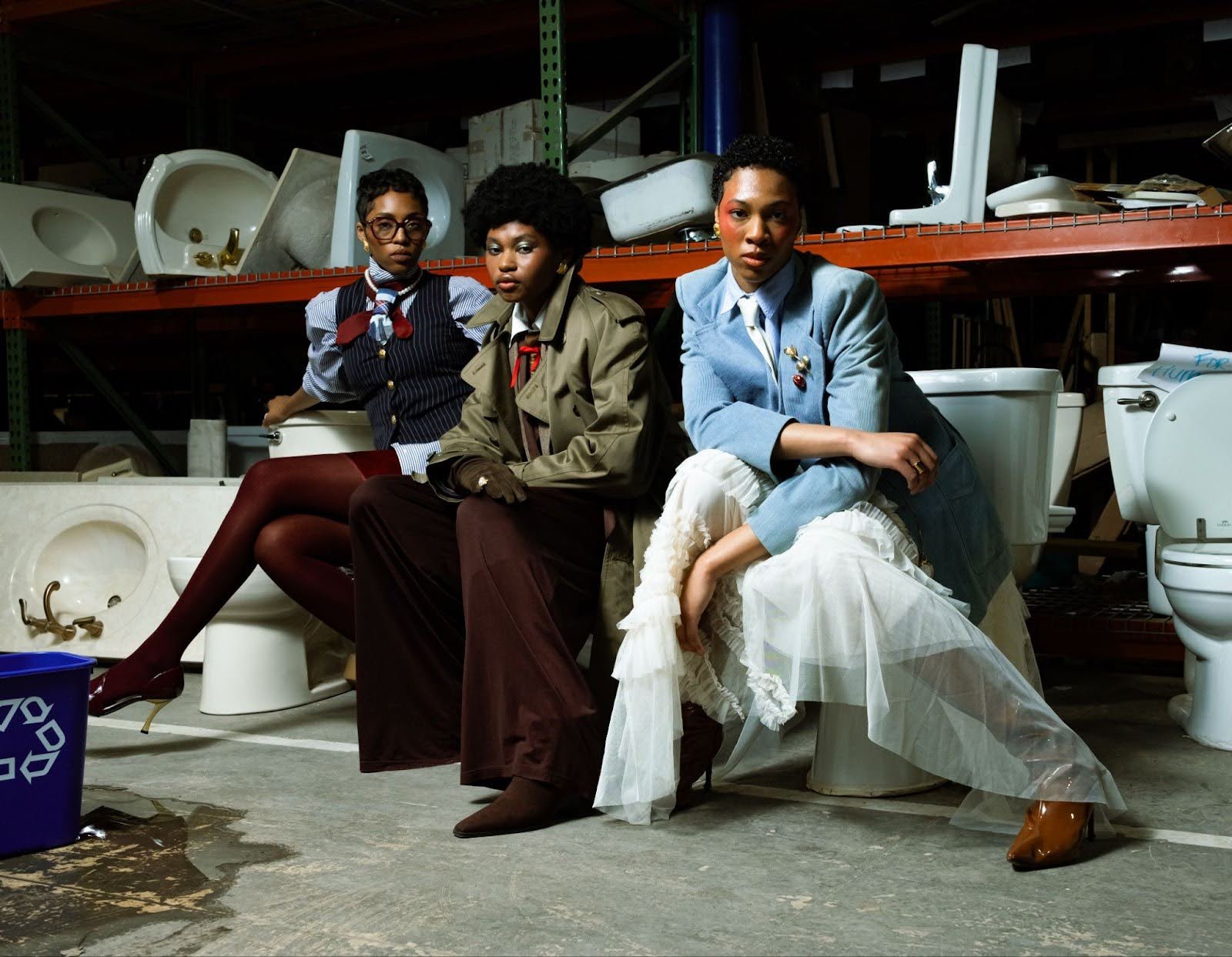
In the 1940s, the flamboyant style known as the Zoot Suit, characterized by oversized jackets, high-waisted trousers, neck ties, and bold silhouettes, became a cultural statement among Black communities. While the look is often associated with men, women also embraced the style.
Figures like blues singer Gladys Bentley challenged both gender norms and racial expectations by performing in tuxedos and top hats during the Harlem Renaissance. Bentley’s performances blurred gender boundaries and celebrated queer identity long before such visibility was widely accepted.
Black Women Elevating the Tie Game
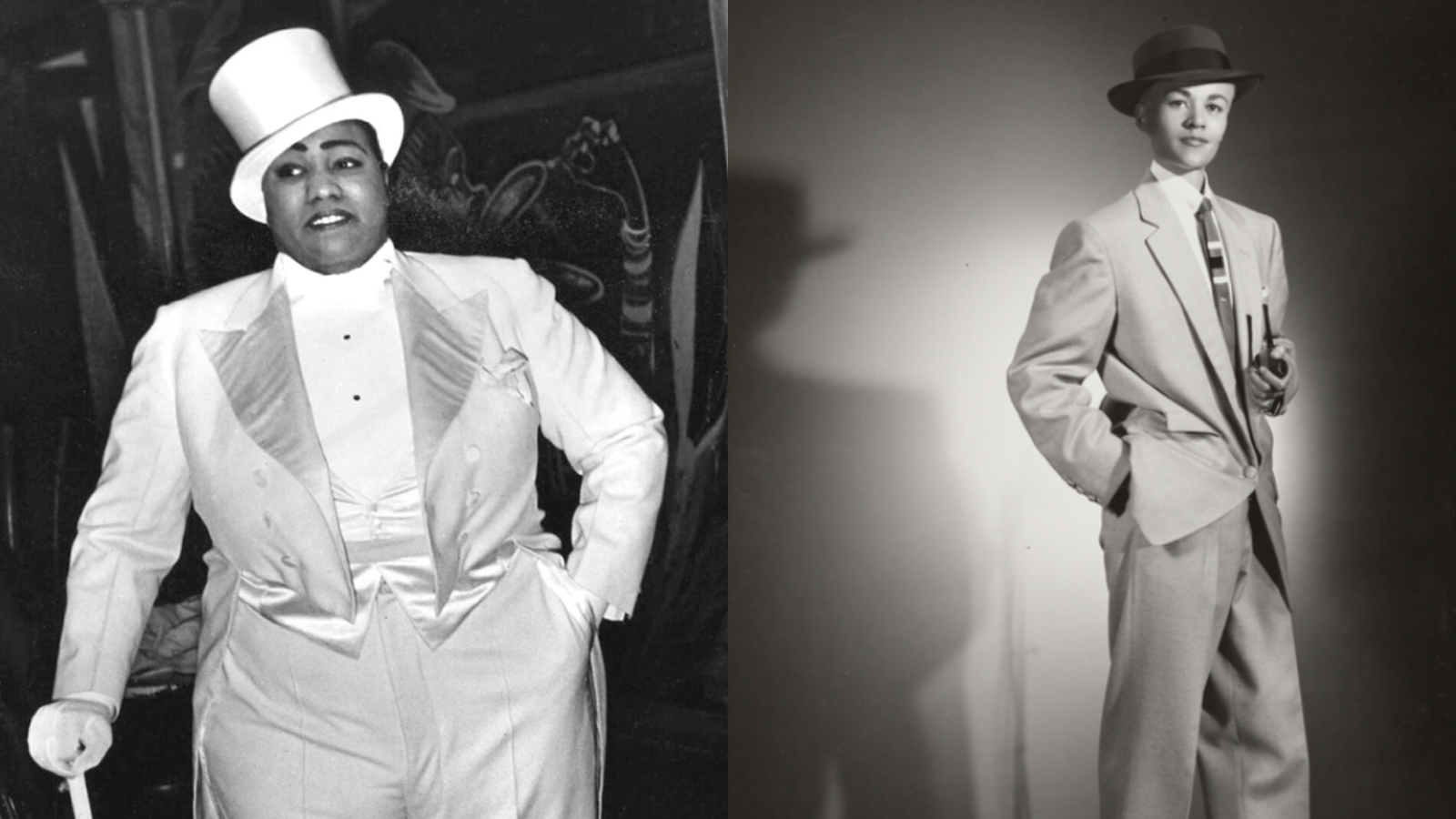
Even now, Black people are consistently innovating in fashion, including how ties are made and styled. Yvette Martin designs denim ties created from upcycled materials. The designer traces the origins of her craft back to an unexpected but familiar source: YouTube. Yvette began by “watching videos of people sewing and went from there.” She got the urge to create something, and started off with face masks and skirts before she moved on to ties. That evolution reflects both experimentation and intention, and shows how she’s willing to follow her creative muses wherever they may take her.
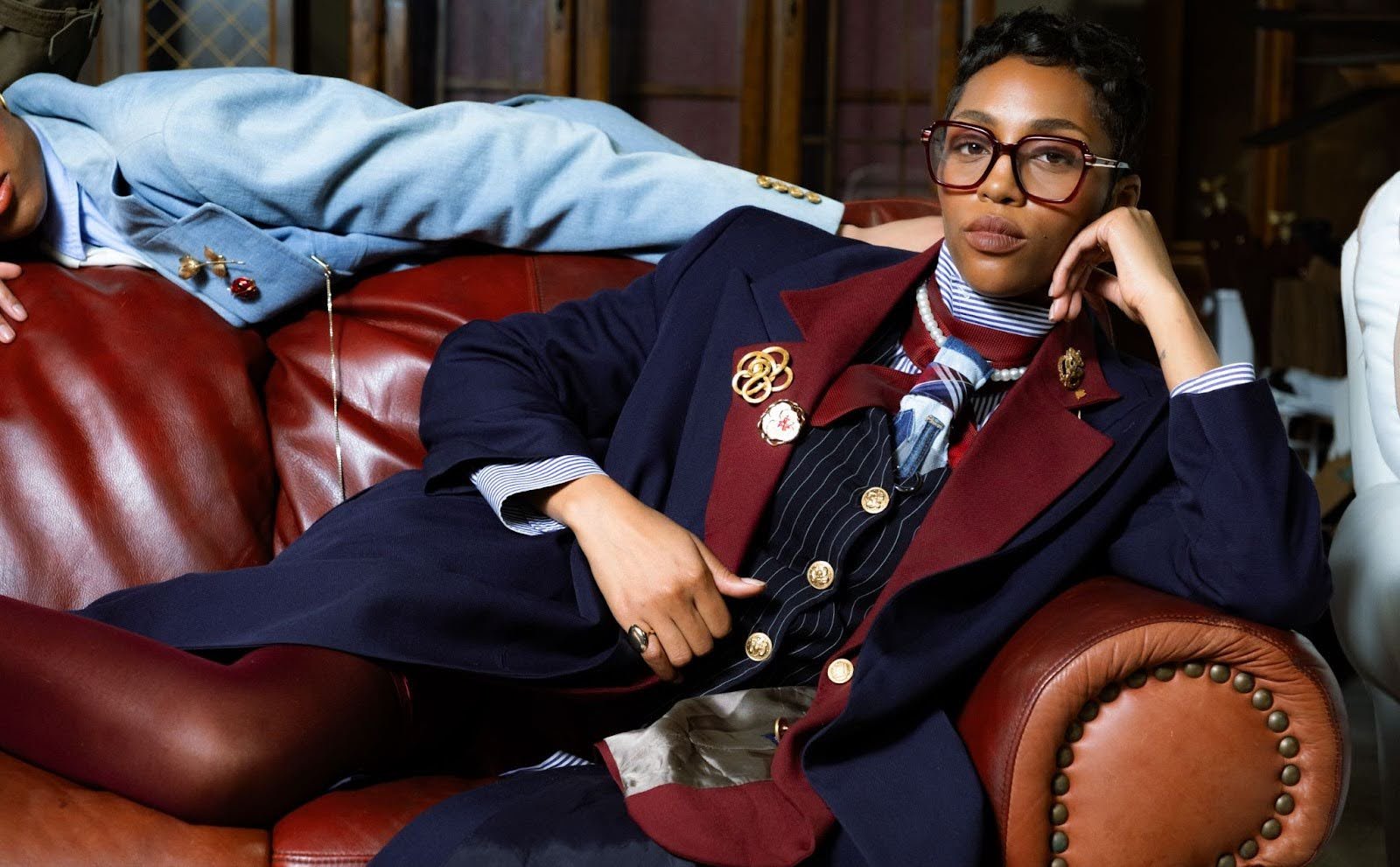
As fashion continues to redefine gender boundaries, Martin embraces a fluid, unrestricted perspective. She resists assigning her work to any one gender, even while acknowledging that her designs began to lean more feminine. Martin admits, “though my ties are not exclusively designed for men or women, they may come off as more feminine as I started making them for myself”. This openness positions her brand within a broader cultural shift, one that values expression over convention and challenges long-standing norms in fashion.
What excites her most about reimagining the tie is its boundless potential.
“I like that you can do anything to them. You can recycle clothing to make your own style. The concept of making something from what feels like nothing is very rewarding and empowering, especially knowing that I created it.” – Yvette Martin
Martin takes discarded or overlooked materials and reshapes them into something distinct and meaningful. At its core, her craft has become something more personal and symbolic. Through this process, she finds beauty in what others might dismiss as waste. She also sees her work as reflective of a broader cultural narrative: the African American experience of creative resilience, of transforming scarcity into abundance.
Another fashion brand, The Braided Tie, specializes in creating ties from various materials and braiding them together, sometimes adding clips and charms, which represents the way little Black girls wear their hair. The designer’s journey began with a striking visual moment, “a photoshoot featuring a young woman wearing a simple braided tie.” It then triggered an idea which ultimately shaped the foundation of their brand: what if a tie could be adorned the same way Black women decorate their braided hair? She immediately bought braiding hair and hair accessories to experiment with, and that evolved into what the brand is today.
As fashion continues to revisit and redefine traditionally masculine staples, the designers envision their brand growing beyond its origins. The Braided Tie told us, “While it began with ties, the long-term vision is to expand into other pieces that people enjoy styling and personalizing.” This reflects a thoughtful approach to expansion, building a brand that resonates beyond a single product.
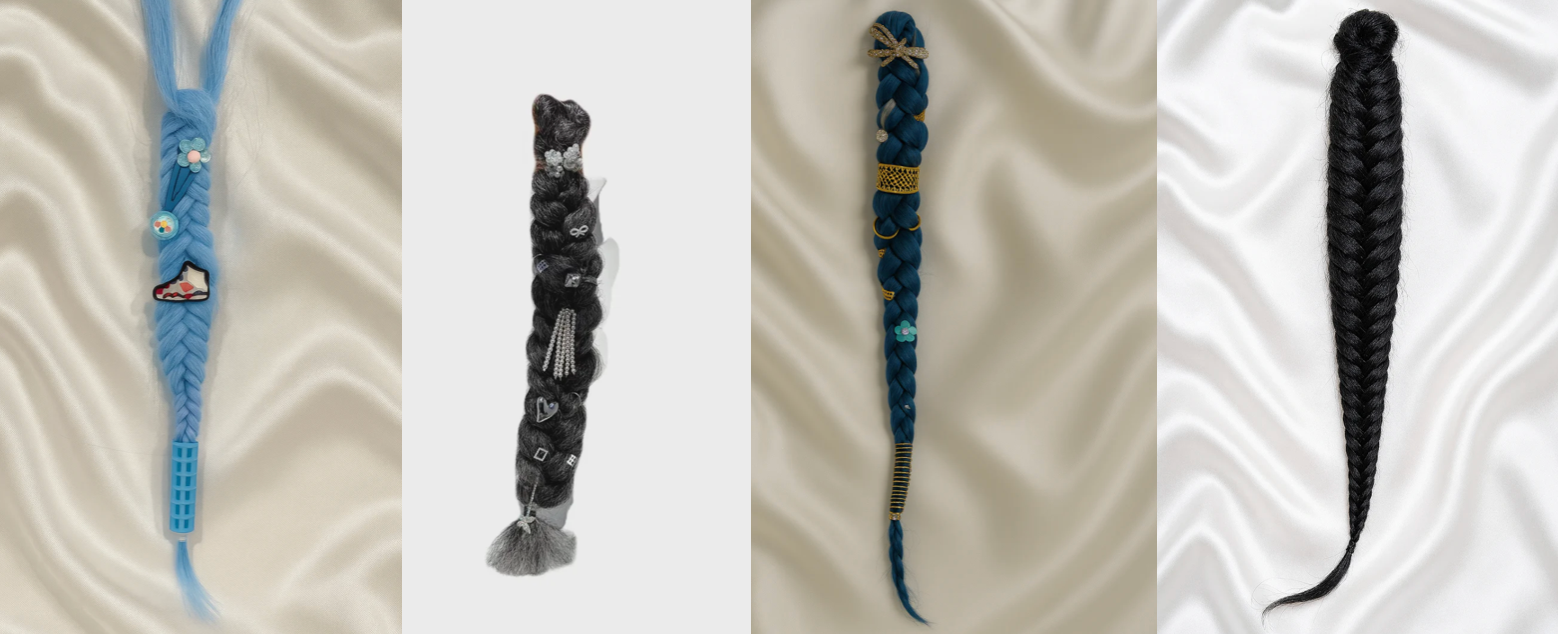
At the heart of the work is a deep sense of cultural authenticity and pride. What excites the designer the most about reimagining the tie is its ability to carry meaning beyond aesthetics.
“As an activist and a proud Black woman, I’m grateful for the opportunity to celebrate and highlight the creativity, artistry, and depth within our culture through this brand.” – The Braided Tie
The designs become more than accessories; they serve as expressions of heritage and innovation, highlighting the creative contributions of Black communities while pushing those narratives forward in new and unexpected ways.
That sense of purpose also informs the designer’s understanding of their craft as a form of liberation. The Braided Tie believes that “while ideas can be replicated, creativity and perspective cannot.” True creativity comes from experience and cultural knowledge. On a personal level, it allows for unfiltered artistic expression, and culturally, it offers an authentic representation of community and identity. Trends come and go, styles can be replicated, but “authenticity cannot be reproduced, and to me, that is both liberating and powerful.”
Stylist Highlight: Safa
The idea behind this piece comes from Safa, a core member of the Advisor. team. She’s one of the magazine’s Creative Directors and Lead Stylist, as well as the founder of her own multimedia production company: SANKOFA STUDIOS, specializing in fashion, film, and fine art. Safa draws on her background as a multidisciplinary artist to shape a holistic approach to visual storytelling and branding. She crafts cohesive narratives that merge classical and contemporary concepts, aesthetics, and styles.
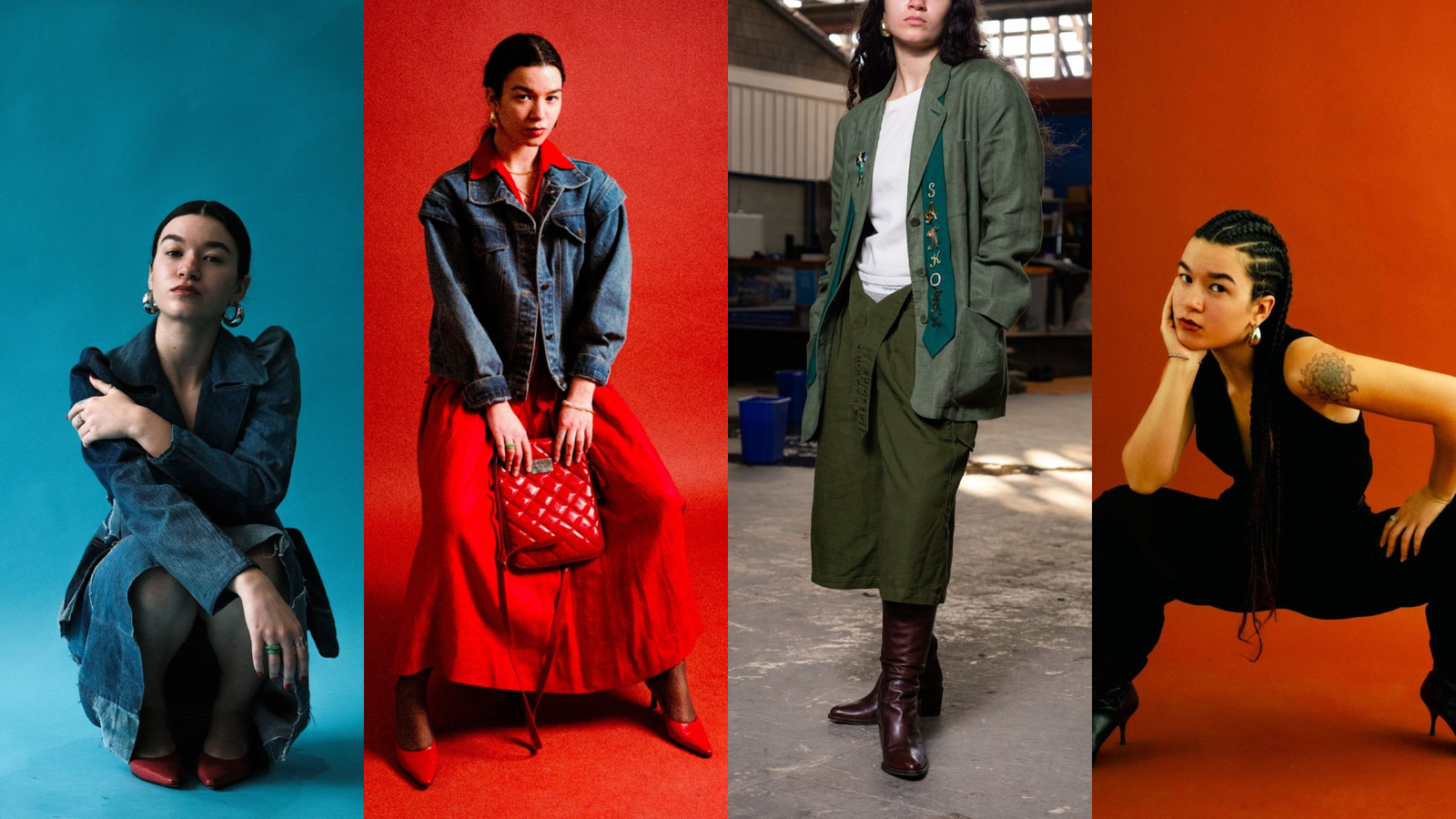
Safa “felt inspired to share this story as a woman and stylist who values how traditionally masculine or androgynous items can enhance one’s wardrobe.” Similar to Yvette Martin, Safa doesn’t let gender norms dictate how she expresses herself via fashion. She has a deep appreciation and respect for the women who came before her. They made it possible for women to have “the freedom to experiment with style without the constraints of gender conformity.” Read more about Safa in our Emerging Series.
We wanted to extend a special thanks to Habitat For Humanity for allowing us to use their ReStore facility on Grand to shoot for this editorial!
This story and more can be found in Issue 008: Sound & Style, grab your copy here.