



The influence of the Met Gala and its annual costume exhibition has long shaped global fashion conversation. Now, that energy is extending beyond the steps of the Met and into the South. At the Mint Museum in Charlotte, North Carolina, Mint To Be brings that same level of spectacle and intention to a city steadily building its own fashion identity.
Inspired by the 2026 Met Gala theme, The Feminine Body as Costume Art, the May 1 event will feature a “Mint Steps” media experience, immersive art installations, a runway competition highlighting local designers, and a museum-wide celebration to close the night. Like its New York counterpart, attendees are expected to arrive fully in theme, treating fashion as both expression and performance.
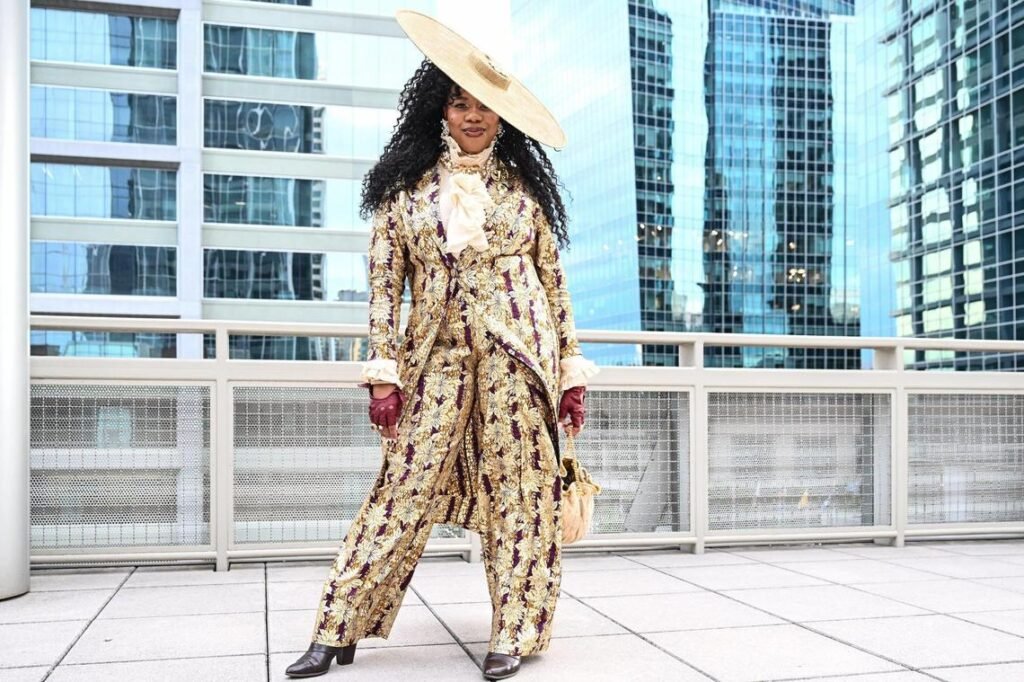
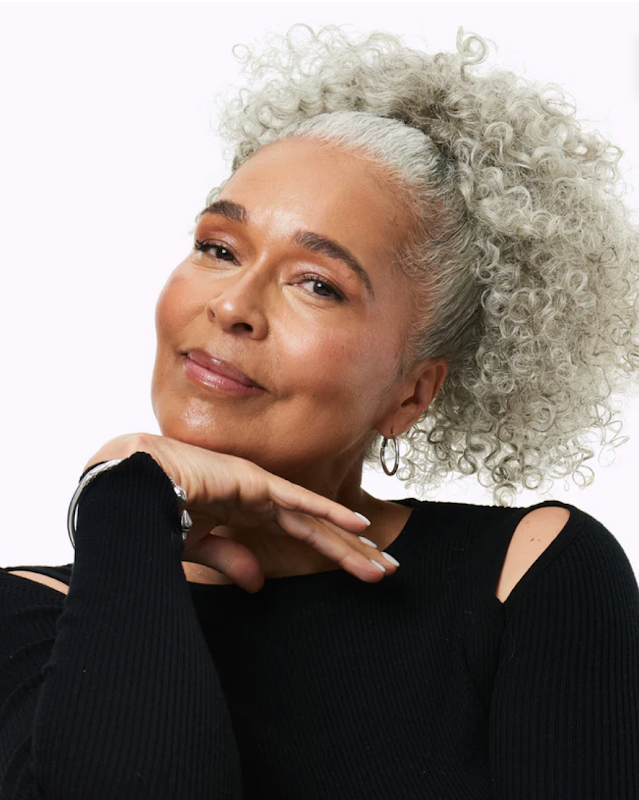
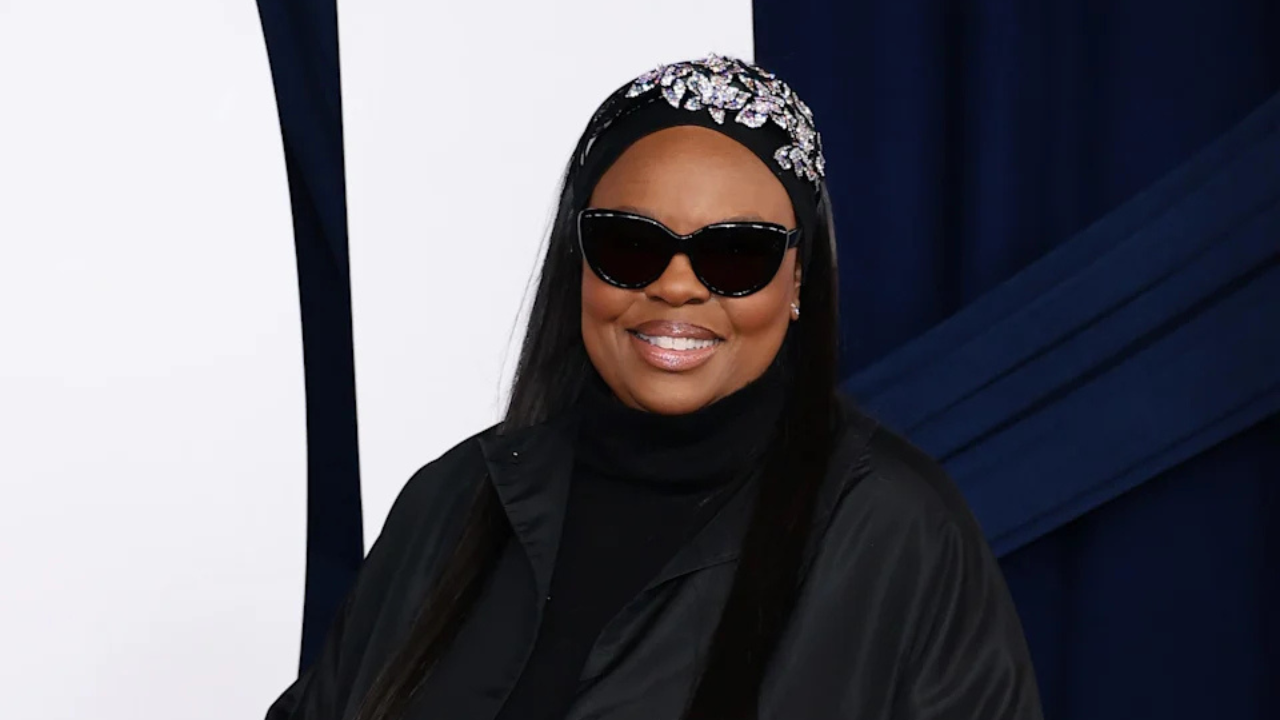
Perrine DeShield, known as Professor P, is the curator behind Mint To Be. As a fashion professor at SCAD and a seasoned event curator, she approaches her work with both academic insight and real-world application. That balance is reflected in how she teaches and how she builds within Charlotte’s creative community.
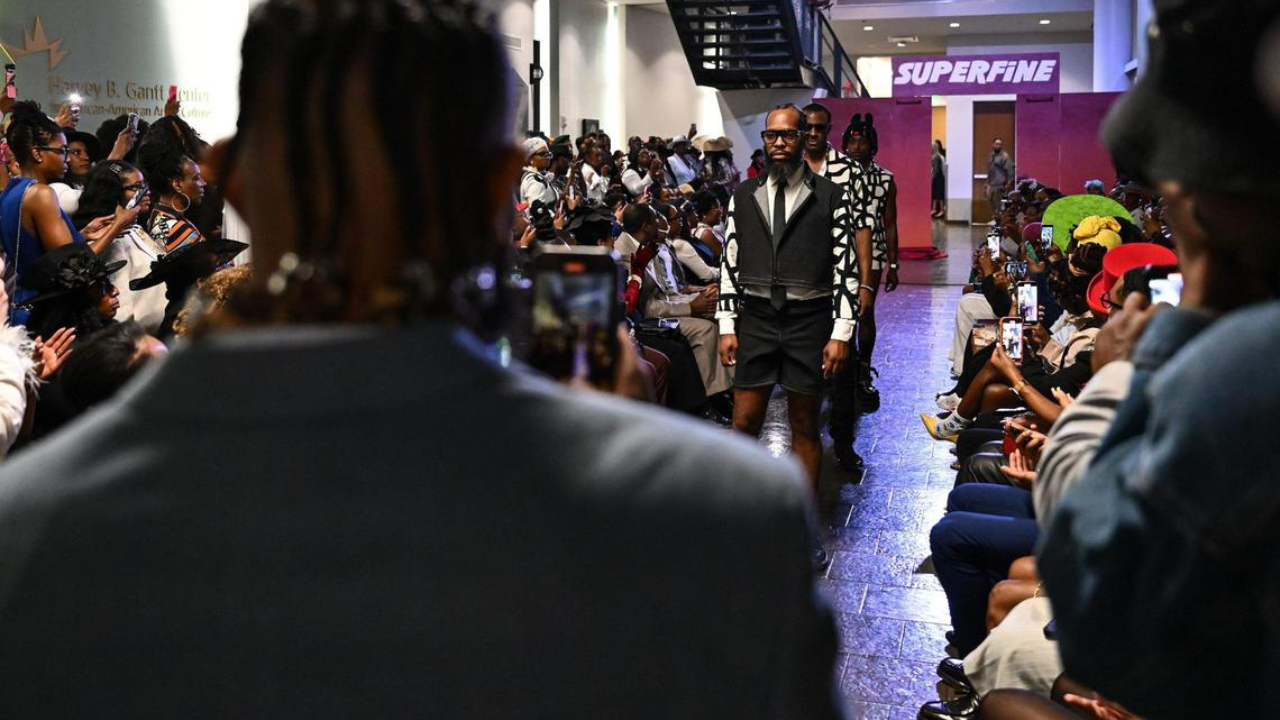
Her Trend Forecasting courses encourage students to move beyond theory and into execution, a mindset she applies directly to her work. The concept for Mint To Be was initially sparked by the 2025 Met Gala theme, Superfine, which centered Black dandyism. That inspiration led to her inaugural event, Superfine at the Gantt, which drew more than 700 attendees eager to engage with fashion in a new way.
For DeShield, the opportunity was clear. Use a globally recognized fashion moment to spotlight the South, a region that continues to shape culture without always receiving the same visibility. This year’s event continues that mission, creating space to celebrate the Carolinas’ artistic talent while highlighting the region’s contributions to fashion
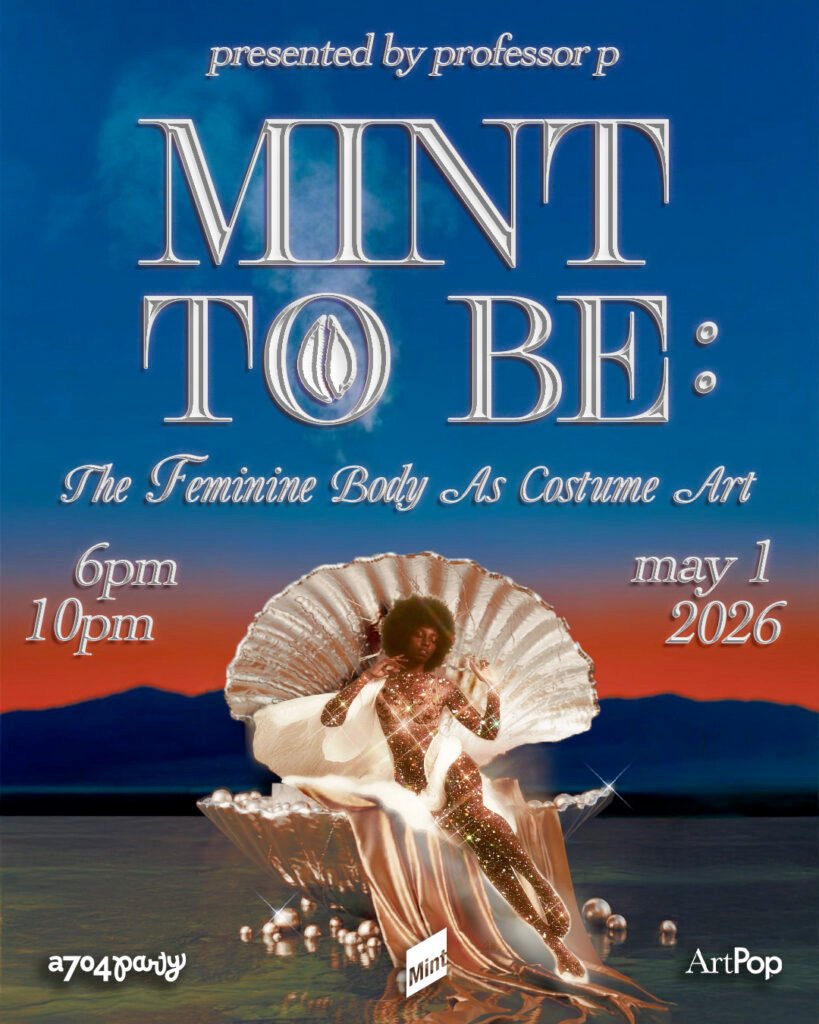
In an exclusive interview with Advisor., DeShield shared insight into this year’s event and the broader creative landscape in Charlotte. One of the most notable expansions is The Feminine Form exhibition, which will remain on display on the museum’s fifth floor for a full month, extending the experience beyond a single night.
“We are partnering with over a dozen local artists from marginalized communities,” DeShield shared. “Each artist creates a traditional piece, which is then interpreted by stylists and designers into a mannequin look.” The result is a dialogue between fine art and fashion. The exhibition also includes a collaboration with ArtPop, an organization dedicated to amplifying local artists, further grounding the experience in community.
A central component of Mint To Be is its runway competition, which highlights local design talent. This year introduces a shift in format. Rather than presenting multiple looks, 19 designers will each showcase a single look, competing for a cash prize.
The format places emphasis on precision and concept, bringing emerging designers and established names onto more equal footing. Competitors range from recent graduates to Project Runway finalists, creating a lineup where the outcome feels open. “With this competition, I think a lot of designers are going to surprise people,” DeShield said.
A panel of judges will evaluate each look based on construction and creativity, while audience voting introduces a layer of public engagement that can influence the final rankings. The decision to include the audience was intentional, allowing attendees to actively participate in shaping the outcome. Building an event at this scale requires collaboration. DeShield credits partners including Davita Galloway, She Kinah Creative, and Sancho Smalls for helping bring the vision to life.
So why Charlotte?
While New York remains the country’s fashion capital, cities like Charlotte are building ecosystems of their own. Smaller in scale, but no less intentional. “Charlotte is a really beautiful, opportunistic city,” DeShield explained. “You can carve out your own space here, and there’s a strong sense of collaboration. I’ve been able to meet and partner with so many amazing people.” The city’s identity sits between corporate structure and creative expansion. A financial hub with Southern roots, Charlotte continues to evolve into a space where both professionalism and artistic expression can coexist.
That balance does not come without challenges. Creatives, particularly those from marginalized communities, often operate with fewer resources and opportunities, requiring more effort to achieve visibility. “Diversity, equity, inclusion is something that is being absorbed left and right,” DeShield said. “We have to make our own spaces. We have to show up for one another when those spaces are new. There is always someone in the Charlotte community building something from the ground up who needs support.”
Her perspective reflects a broader reality for Black creatives in the South, where building community often becomes as important as the work itself. Looking ahead, DeShield hopes to see Mint To Be continue to grow while pushing the boundaries of creative expression within the city. Her goal is not only to build an event, but to contribute to a larger cultural shift. “There’s not another city doing this,” she said.
While other cities host watch parties and celebrations tied to the Met Gala, Charlotte is taking a different approach by translating the concept into something local, immersive, and community-driven. Mint To Be positions itself not just as an event, but as part of a broader shift in where and how fashion culture is being built.