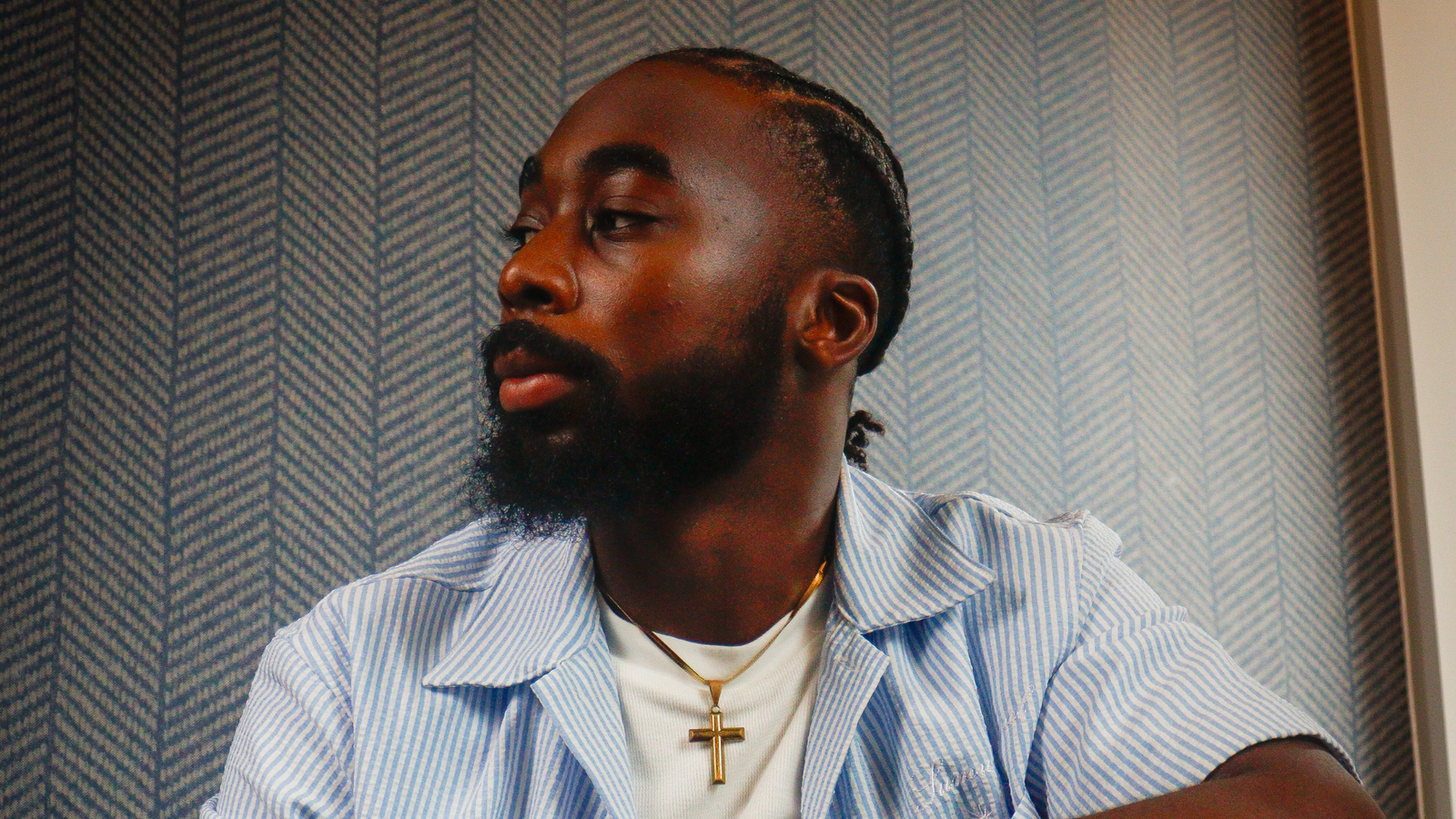
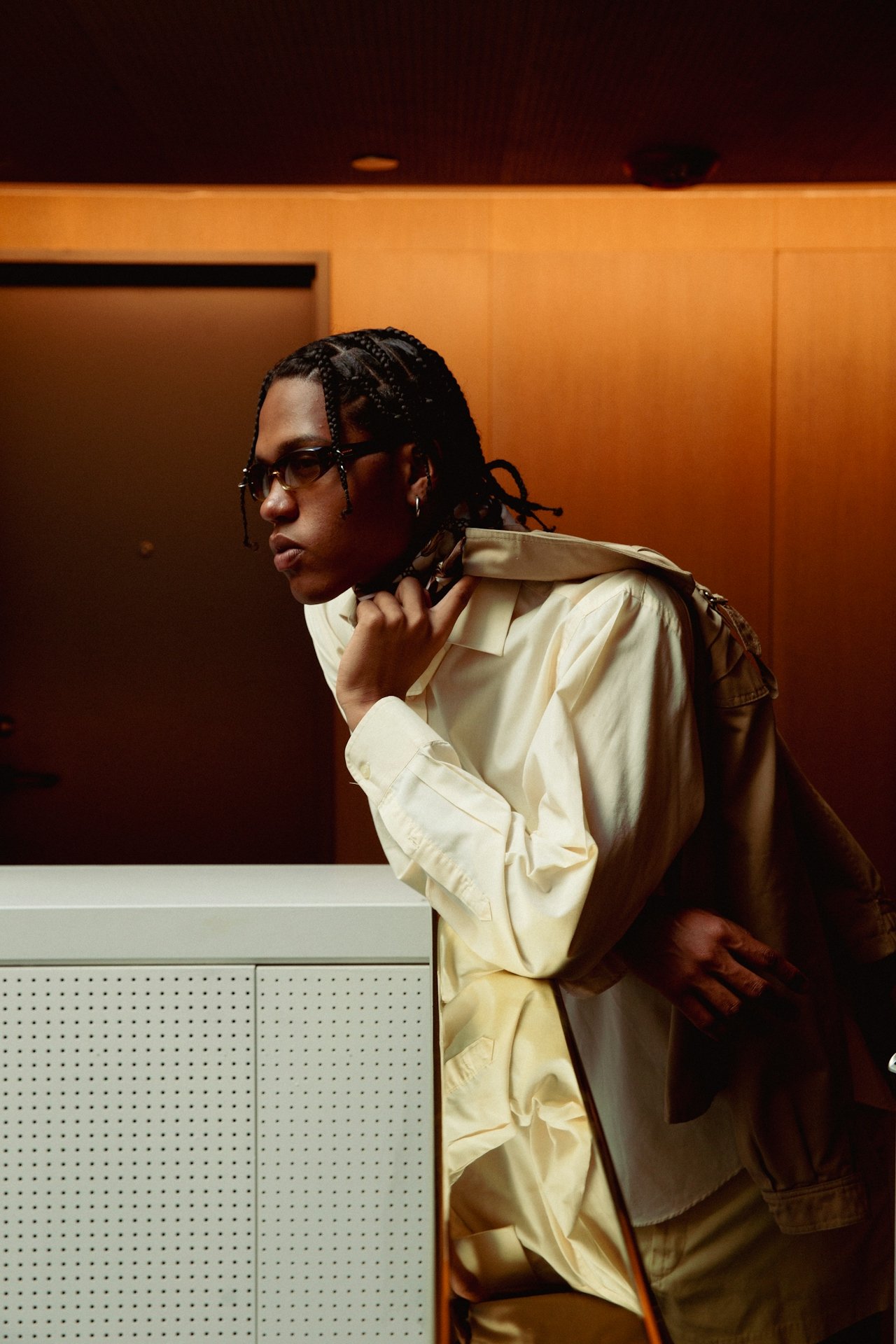
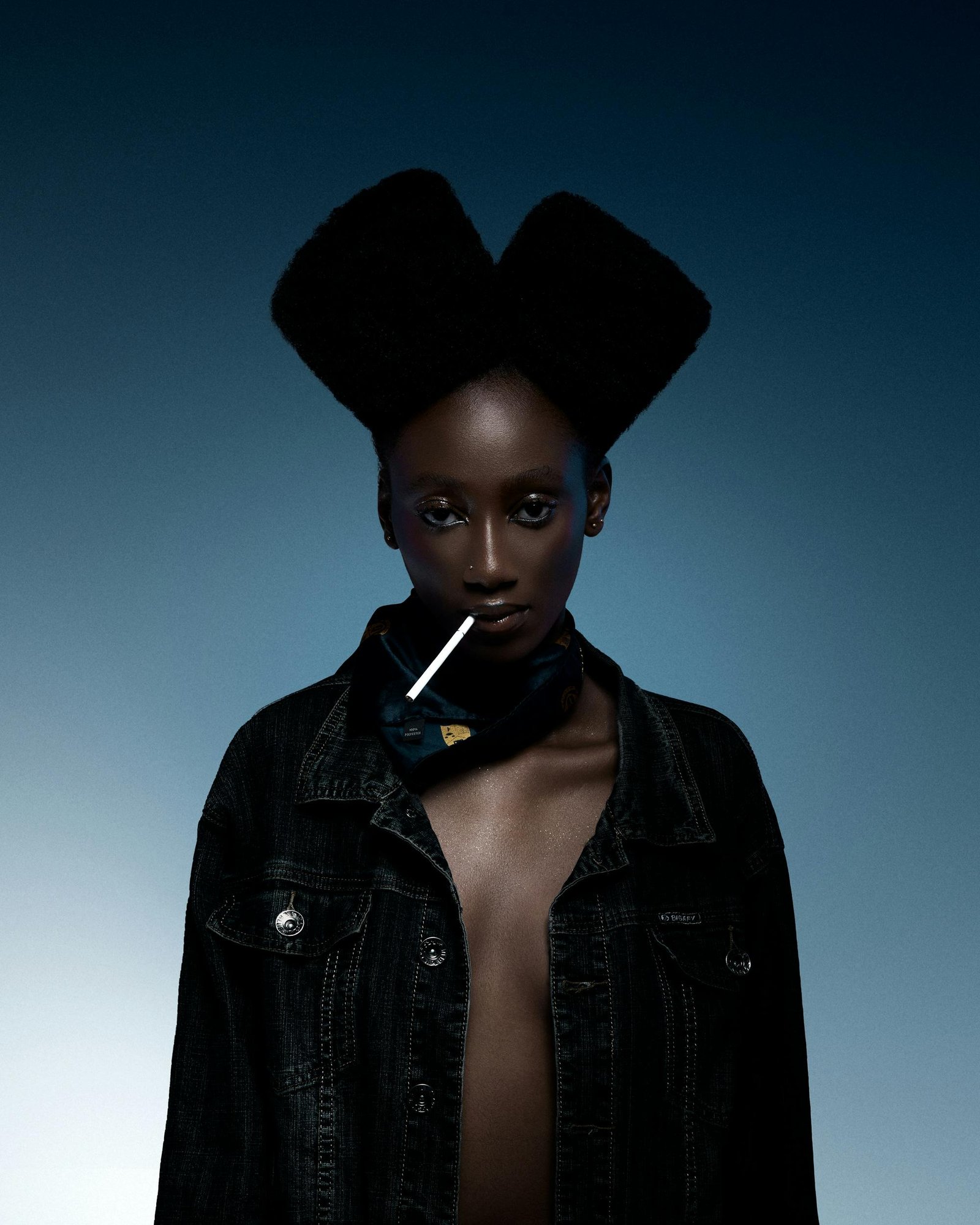
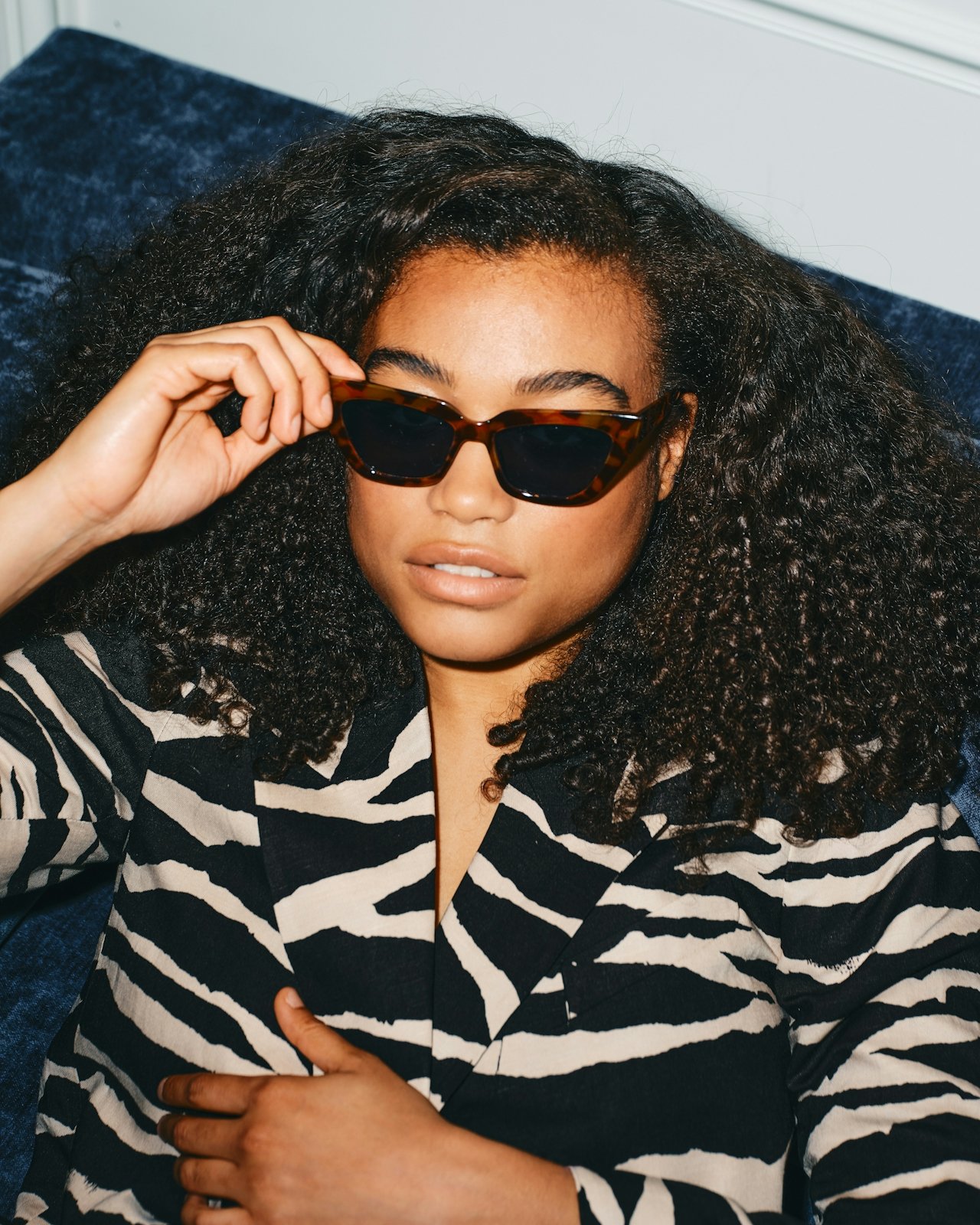


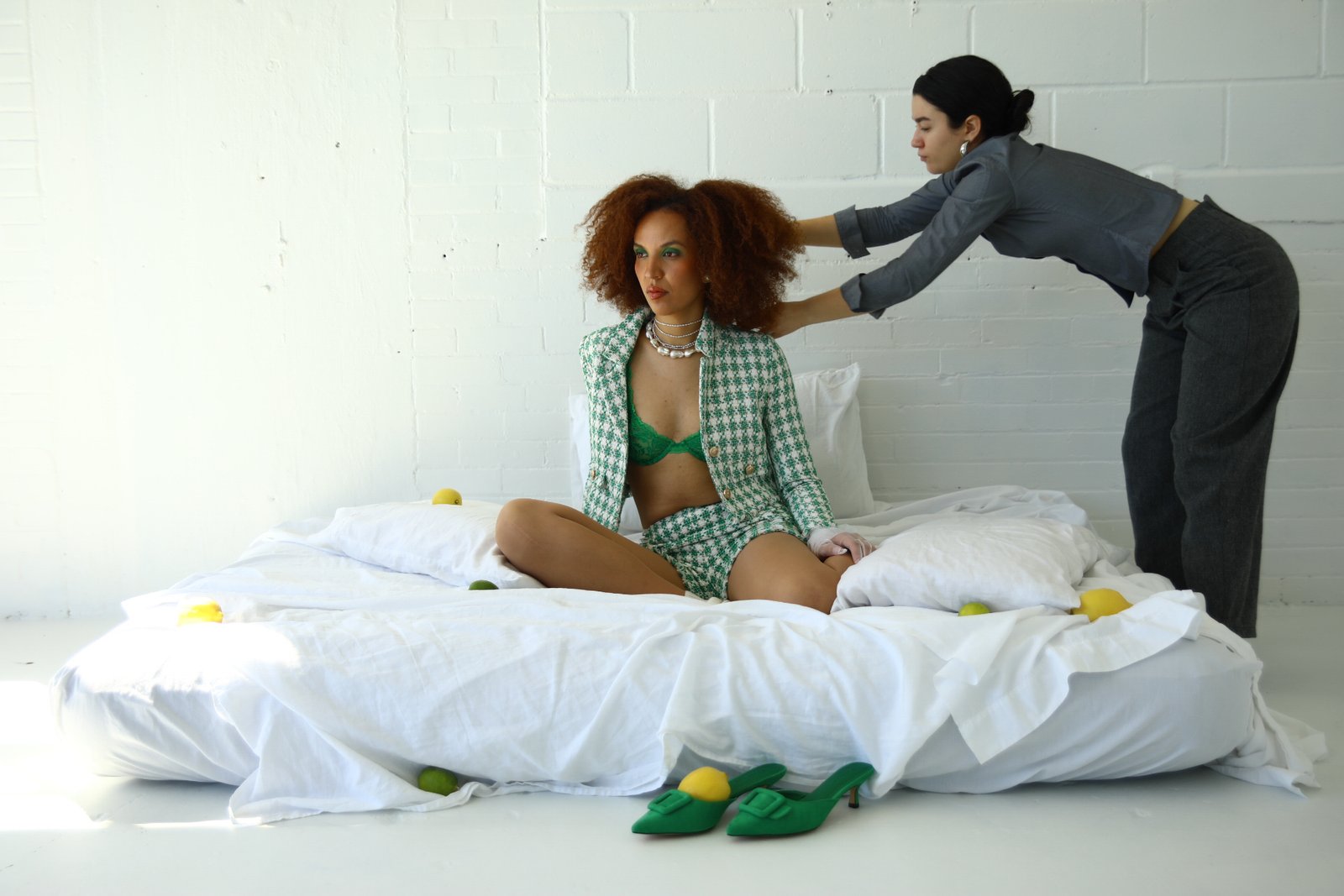
Welcome back to our Emerging Series – where we highlight emerging fashion creatives in hopes that through this series, the support of our community and ecosystem grows for Black fashion. Today, we introduce to you to Safa from St. Louis, MO!
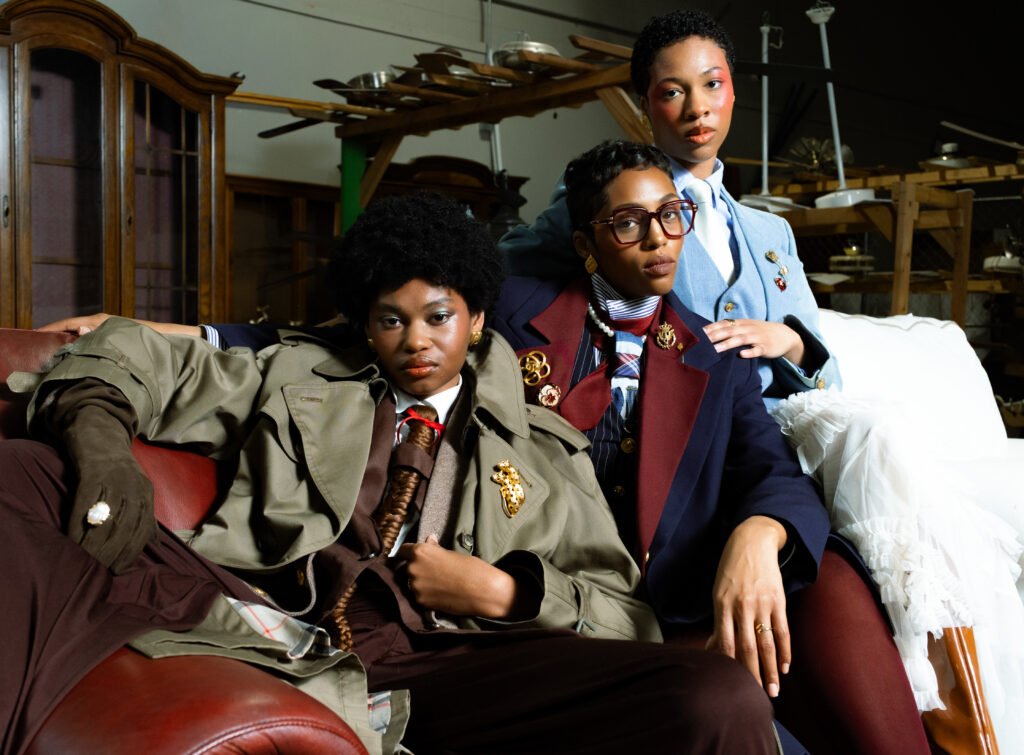
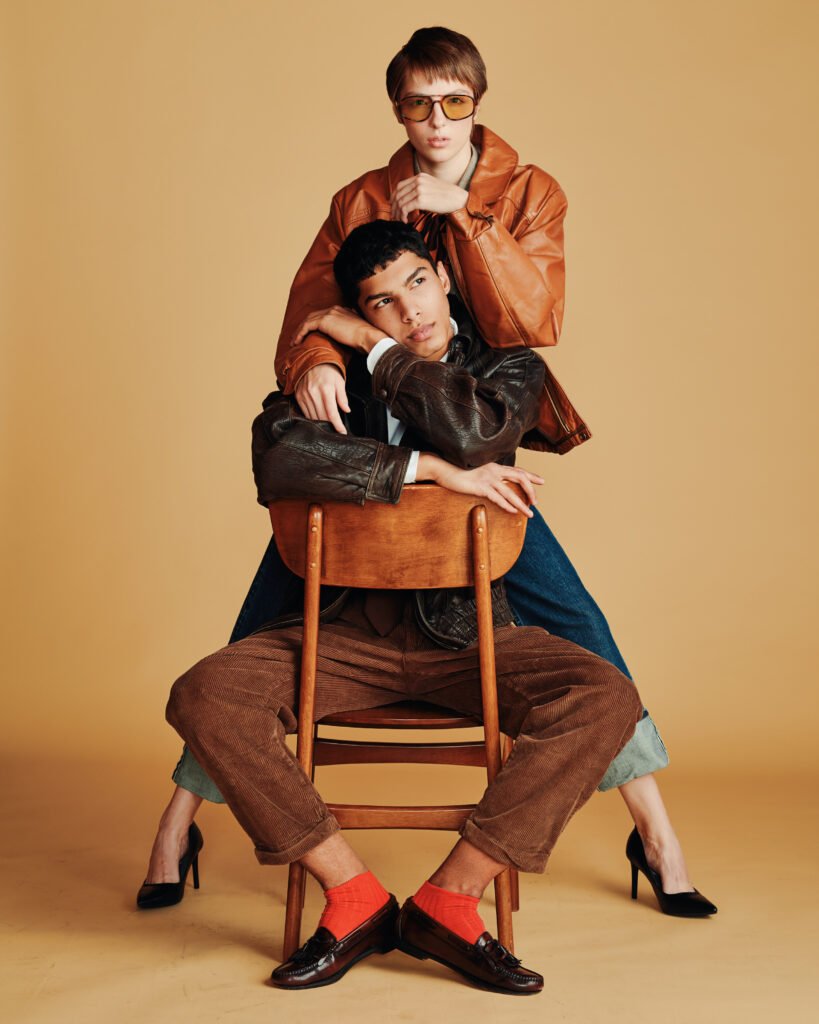
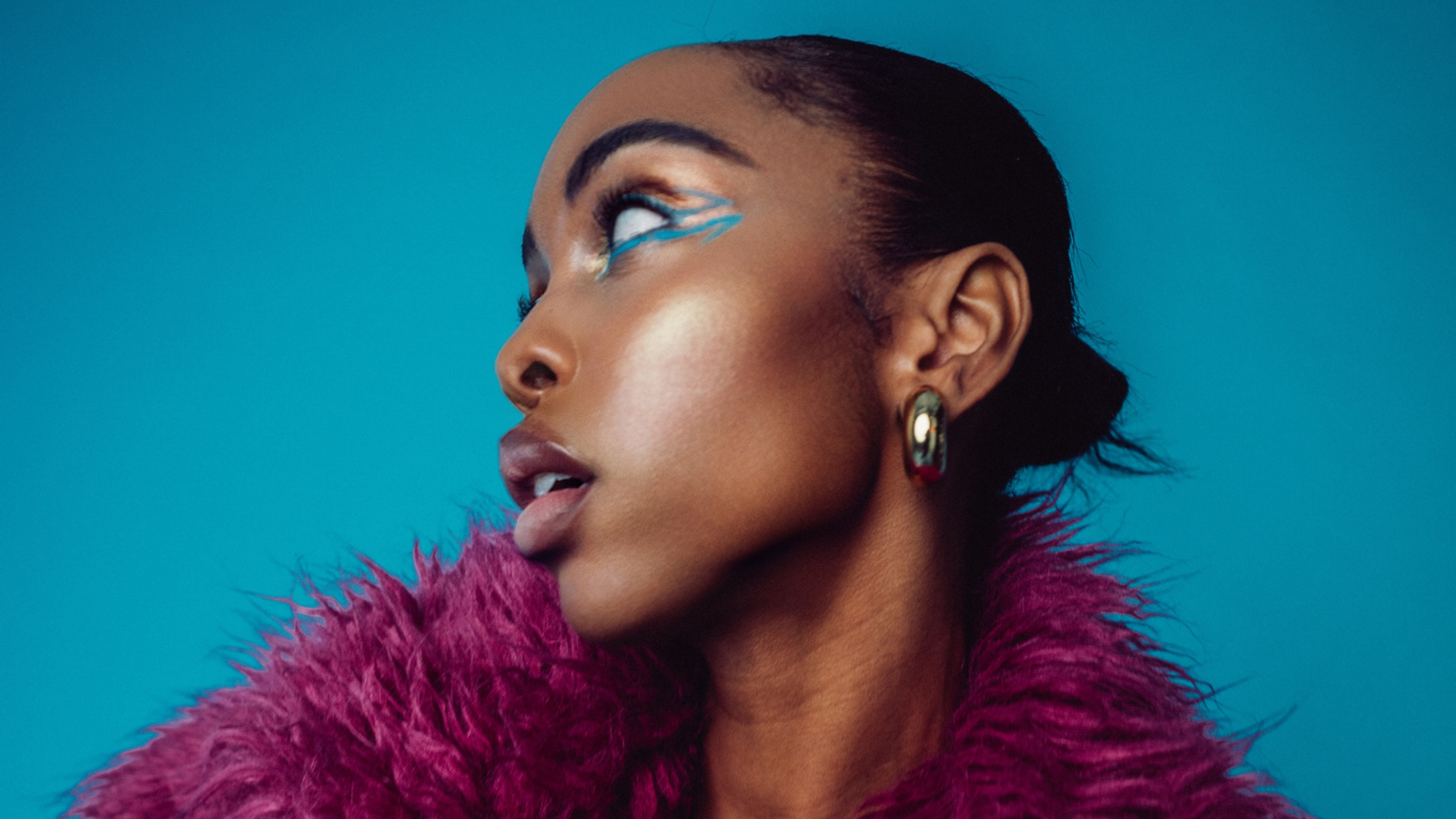
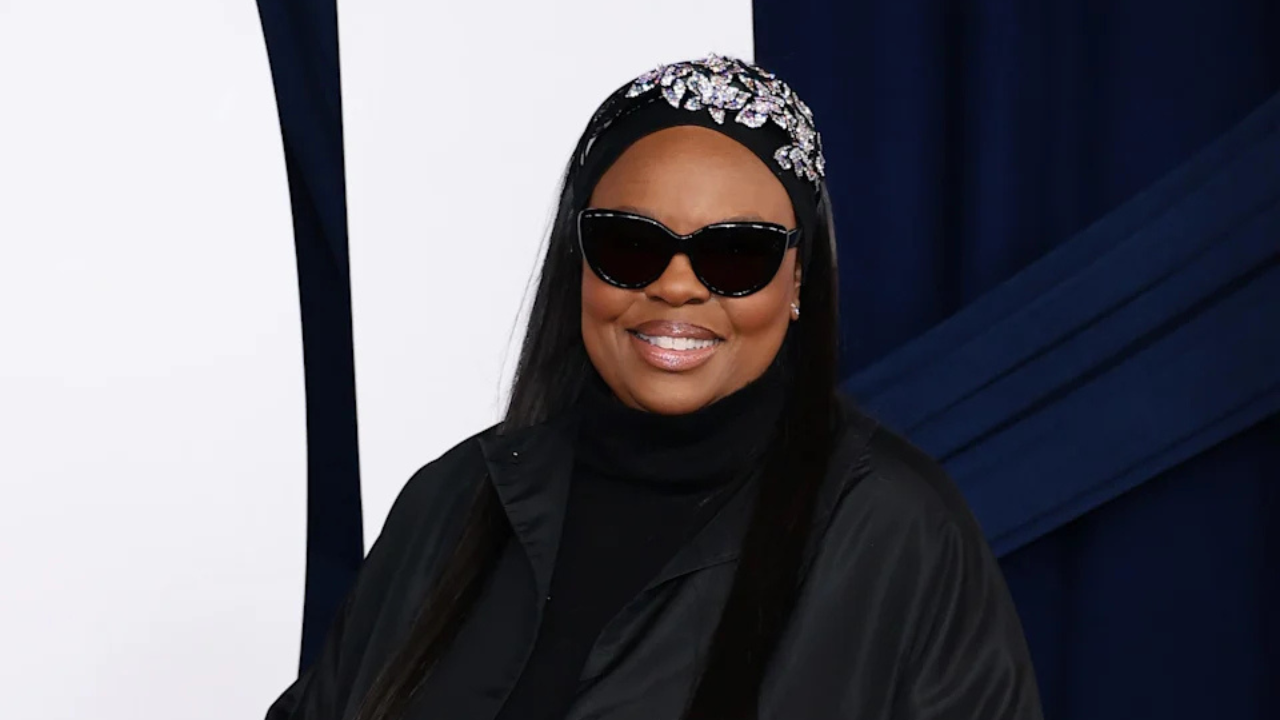
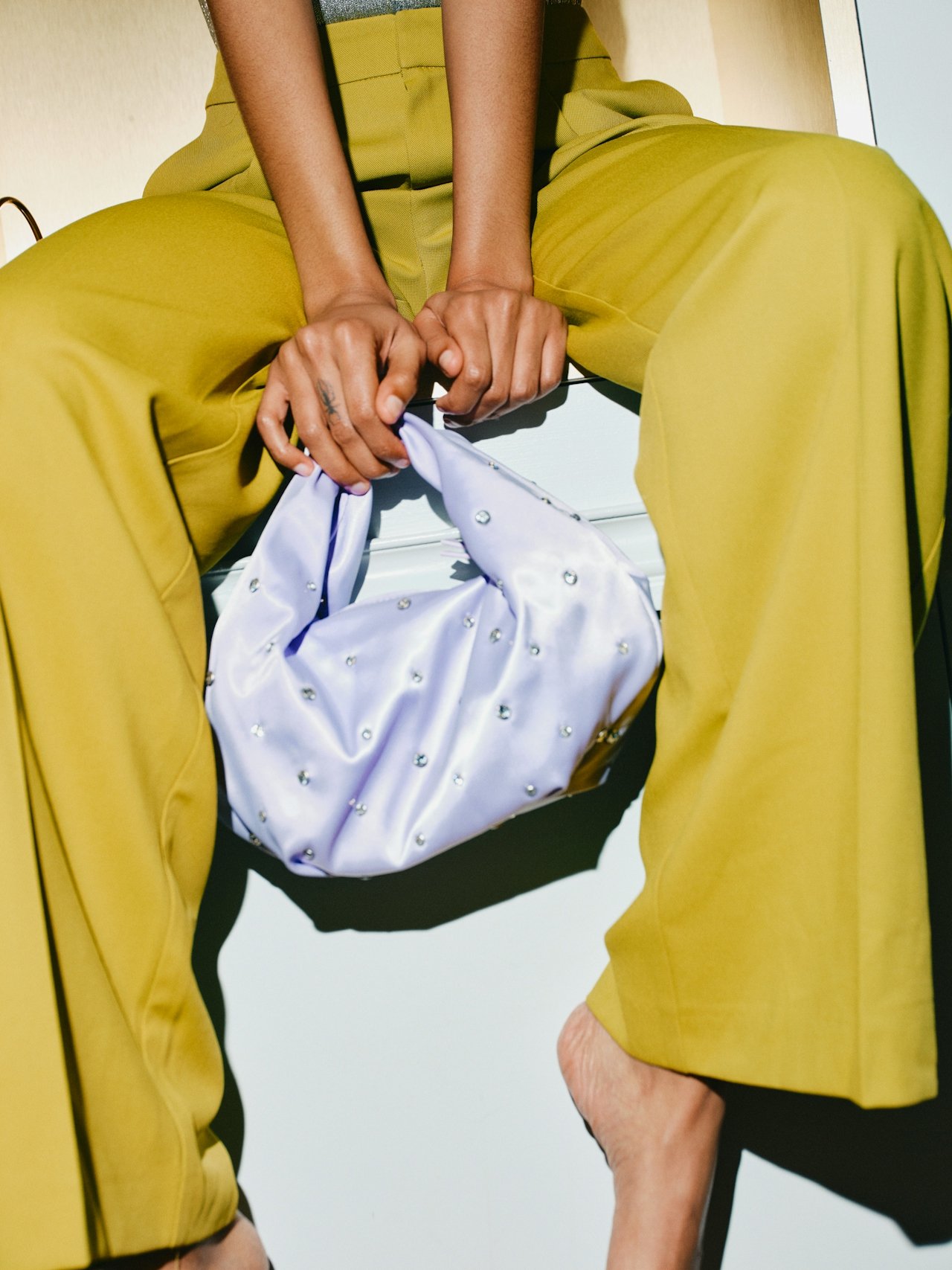
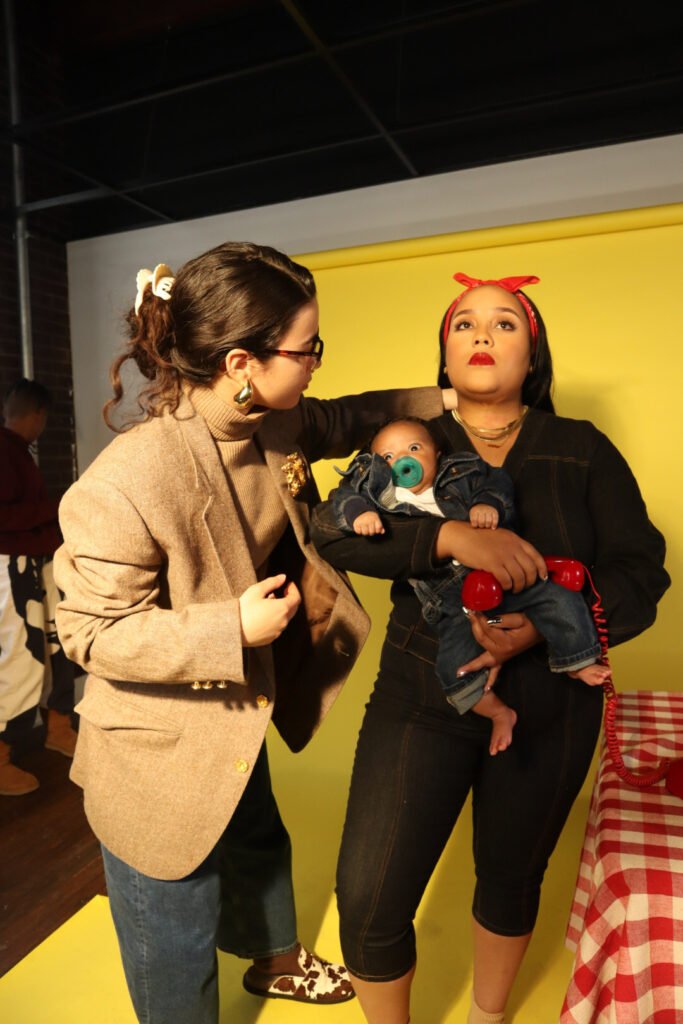
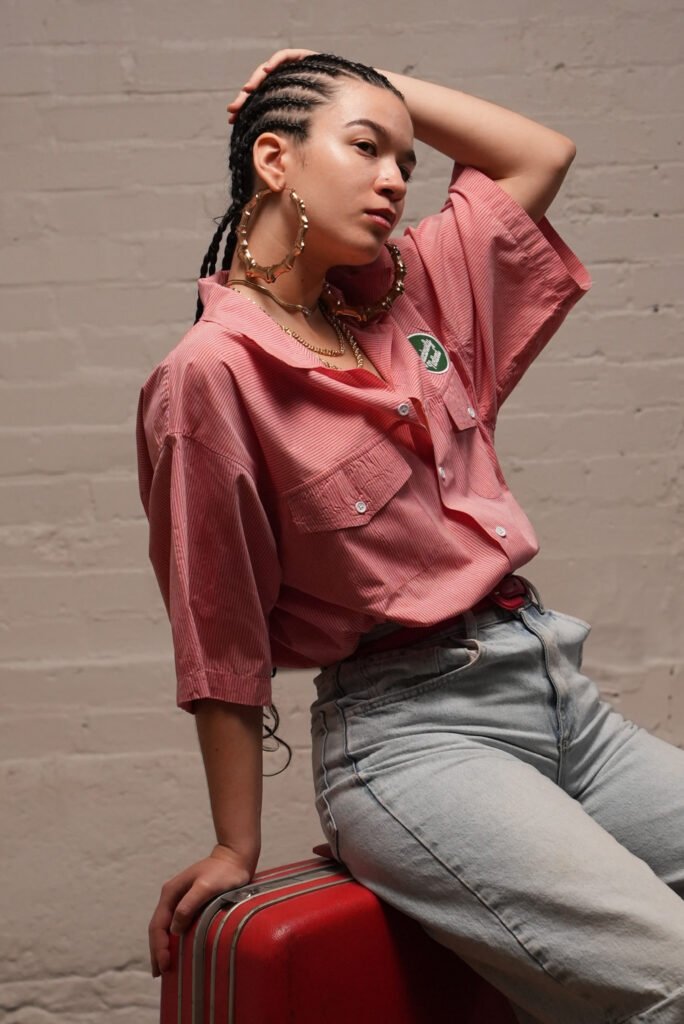
Safa is a multidisciplinary artist based in St. Louis, Missouri, specializing in Fashion and Wardrobe Styling, as well as Art and Creative Direction through her multimedia production house, Sankofa Studios. Her work is rooted in a strong sense of eclecticism, weaving together vintage and contemporary aesthetics through sustainable styling practices. Drawing from a deep understanding of cultural influences, historical eras, and partnerships with local vintage shops. Safa contributes an inventive yet classic eye to her pursuits and clientele.
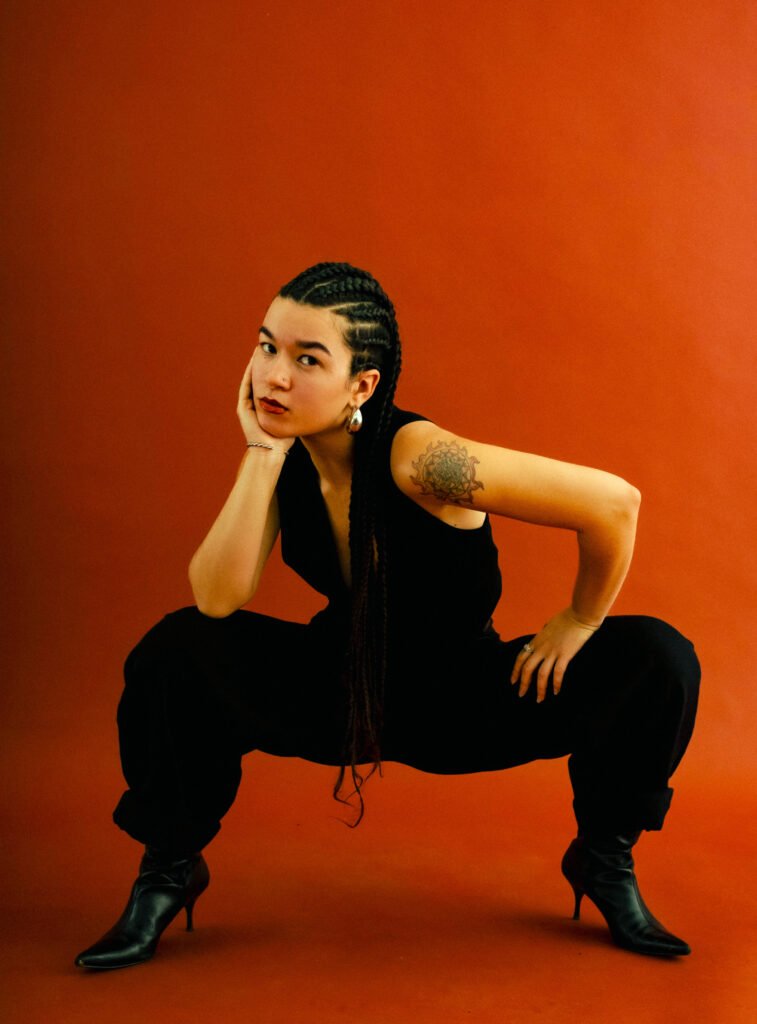
A: For readers who may be discovering you for the first time, how would you describe your creative work and the lane you are building in fashion?
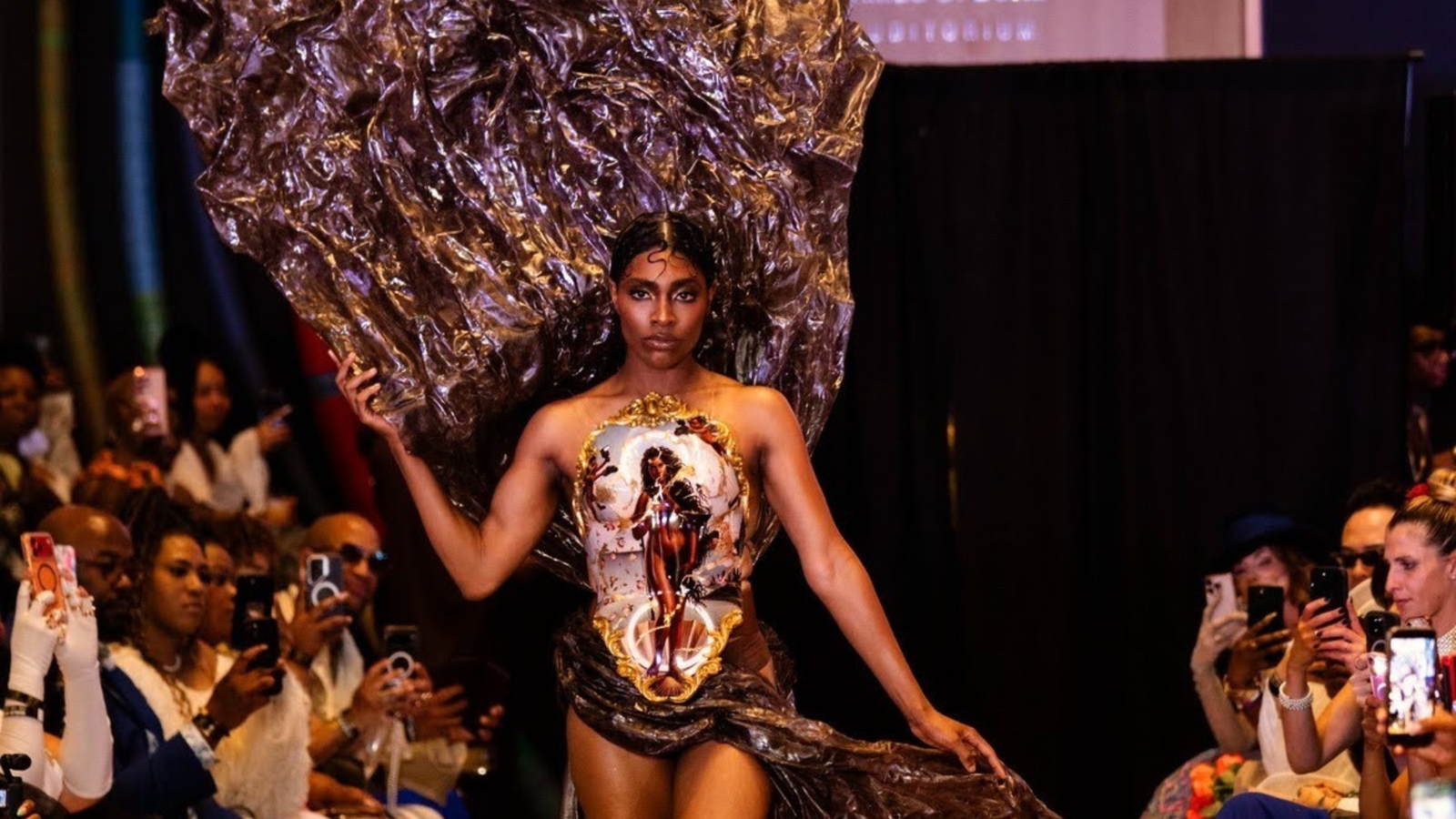
S: I specialize in Fashion, Film, and Fine Art, drawing on my background as a multidisciplinary artist to inform a holistic approach to visual storytelling and branding. As the founder of SANKOFA STUDIOS, my creative production house, I develop cohesive narratives that merge classic and contemporary concepts, aesthetics, and styles, whether through fashion styling or creative direction. My practice spans both analog and digital methods, with an emphasis on authenticity and sustainability. I am committed to establishing a distinct identity for SANKOFA STUDIOS not only through the work we produce, but also through the values that guide our process. This includes prioritizing the sourcing of garments from vintage and second-hand shops, as well as from small-batch and sustainable designers. We also place strong importance on uplifting and merging black and brown cultural visual languages to curate vibrant stories that are both grounded in reality and imagine a more integrated future across artistic mediums."
A: What moment or experience pushed you to take your craft seriously and pursue it as more than a hobby?
S: “I’ve loved fashion, film, and the arts for as long as I can remember, drawing my own sketches, imagining music videos, and even creating choreography. My last “big girl” job worked in arts education administration at a local non-profit, where by my second year I was running programming, managing staff, and overseeing communications. While I initially loved the job, I began to feel unsupported and undervalued toward the end of my tenure. I realized that if I could do this for an entire organization, it was time to try building something for myself. This transition was made possible by my first retainer client, Brian Owens Soul, who took a chance on me before anyone else did, providing a platform to test, refine, and expand my creative strengths. I’m also deeply grateful to Advisor. Mag for the trust and space to flex those same skills in a collaborative, team-driven setting. Working with both of you as a Creative Director and Stylist has been an invaluable opportunity, not only to grow professionally, but to deepen my understanding of vision, leadership, and creative storytelling."
A: How would you define your creative point of view, and what do you feel sets your work apart?
S: “I’d describe my perspective as eclectic yet curated. I don’t limit myself to a single aesthetic, but there’s usually a clear cohesion or through line in my work, something I attribute to my multicultural upbringing. My work draws from a wide range of references, different eras, cultures, and media, especially within film and music. I think my strength lies in the combination of intuition and extensive study and observation, which has allowed me to cultivate and refine my taste as a multidisciplinary artist. This foundation deeply informs my work, enabling me to world-build and tell stories with both clarity and complexity."
A: What inspires you right now, whether visually, culturally, or personally?
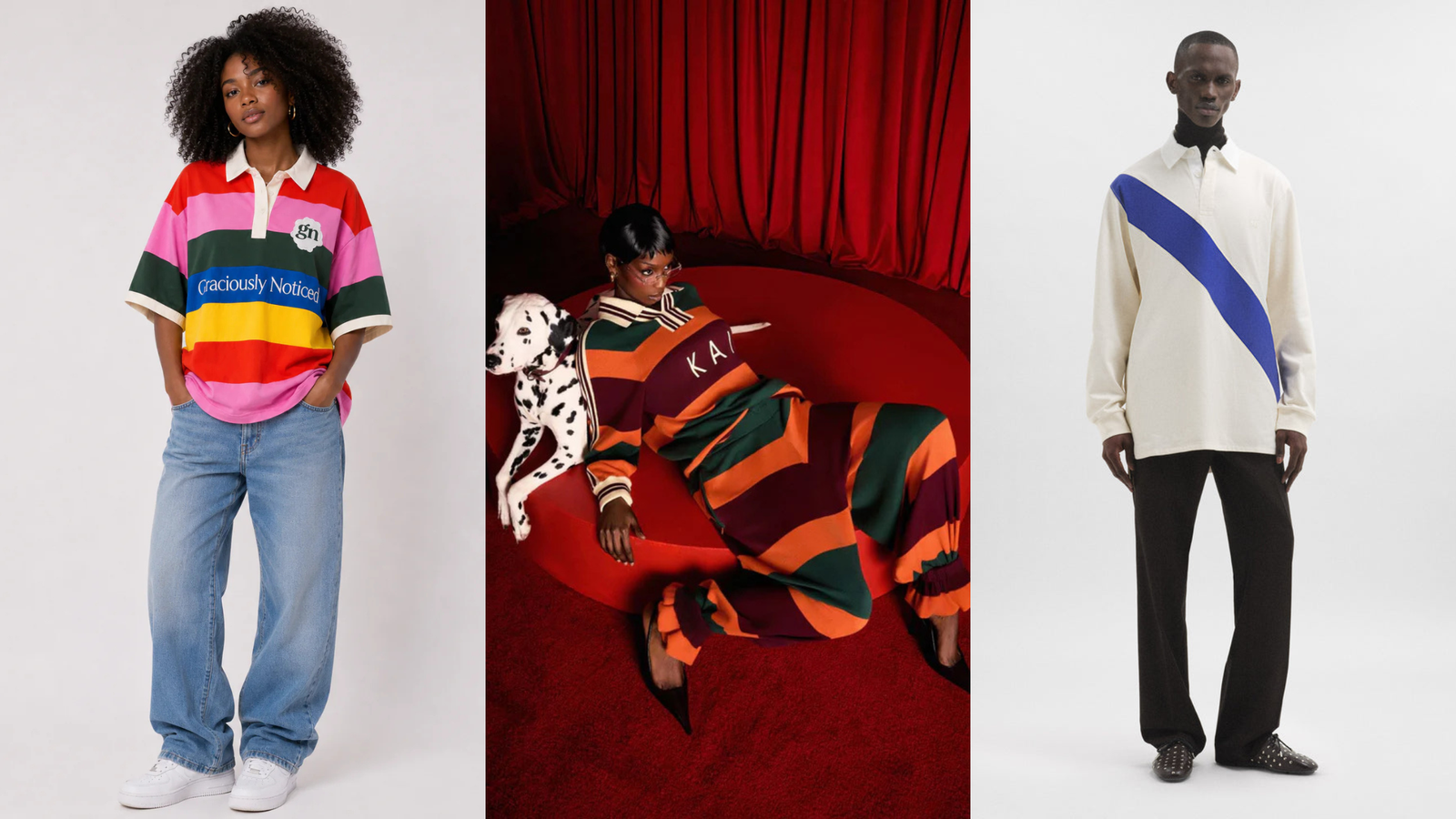
S: “I’m currently inspired by the momentum within African/diasporic fashion, particularly across Afro-modernist practices. Designers like Tolu Coker, Hanifa, and Kai Collective exemplify a strong balance of technique and storytelling through their use of proportion, color, and material. I’m also drawn to the merging of Afro-European aesthetics, thinking of Black dandyism, or the story of Josephine Baker, where European culture and aesthetics were challenged and reclaimed to position oneself and dismantle barriers. With these influences, I’m also exploring more color, shape, and layering in both my work and personal wardrobe, influenced by the styles of the 1960s–1980s. I often pull from fashion eras spanning the 1800s through the 1980s, blending these references to create work that feels both archival and reimagined."
A: Walk us through your process. How do ideas move from concept to execution for you?
S: “My artistic process is grounded in a balance between intuition and structure. It often begins with a moment of sudden clarity, an image, a choreographed sequence, or an atmosphere that emerges almost fully formed, sparked by a dream, music, or film. These initial impressions act as conceptual anchors, guiding the work while remaining open to expansion. From there, I translate that instinct into a more deliberate, research-driven approach, breaking it down into organized conceptual “funnels.” I gather visual references, cultural context, and material inspiration to refine the exact language of the piece. This evolves into a comprehensive mood board and world-building phase, where the vision becomes cohesive yet remains flexible, a guide rather than a limitation. With that foundation in place, I curate the appropriate team and move into location scouting and sourcing wardrobe or props. While the original vision leads, I leave space for it to evolve through collaboration and discovery."
A: What part of your work brings you the most pride?
S: “Having a successful and organized shoot. Where everyone is aligned on the vision, feels fulfilled creatively, and there's a natural synergy on set, and it shows in post-production results. I’d attest a lot of this can be curated simply by being organized and clear about the project. This streamlines everything and allows people to show up prepared and be able to fully immerse themselves in their role because everything else has been taken care of and communicated."
A: As you grow in your craft, what has been the biggest challenge and what has it taught you?
S: “The biggest challenge for me has been patience with my growth and scaling process. Freelancing often involves a lot of uncertainty and waiting while dealing with one-off meetings that don’t lead anywhere, empty promises, ghosting, and miscommunication. It’s crucial to practice grace and gratitude, as everyone has their own lives to manage, while realizing that what is for you will never pass you by. Honoring others' boundaries while respecting your own is essential, and knowing when to advocate and when to compromise is vital. You won't always get it right, but this aspect of the job must be approached with intention and care."
A: Who are the creatives or cultural figures who have shaped your vision the most?
S: “The figures who have inspired and shaped my vision include David Bowie, Iman, Michael Jackson, Frida Kahlo, Josephine Baker, Bob Fosse, and Wes Anderson. These creatives pushed the boundaries in their respective fields across genres, demonstrating extreme dedication to their craft and essentially incomparably unique work. I hope to one day reach their level of innovation."
A: What advice would you give to someone just starting out in your field?
S: “Be patient and trust the process. Get clear on what you want and why you want it. Many become confined by industry standards or external definitions of success, and lose sight of their personal “why.” Don’t let the industry or those around you dictate your growth or define your goals. Remember that ego often drives creative work, and while it can be a key informant, it can also overstep, seeking to control, compare, or confine both your own process and others’. There’s no value in competing or measuring yourself against anyone else; you can only ever be yourself. The moment you allow someone else’s ego to shape how you see your work or make you question your path is the moment you’ve drifted from your “why.”"