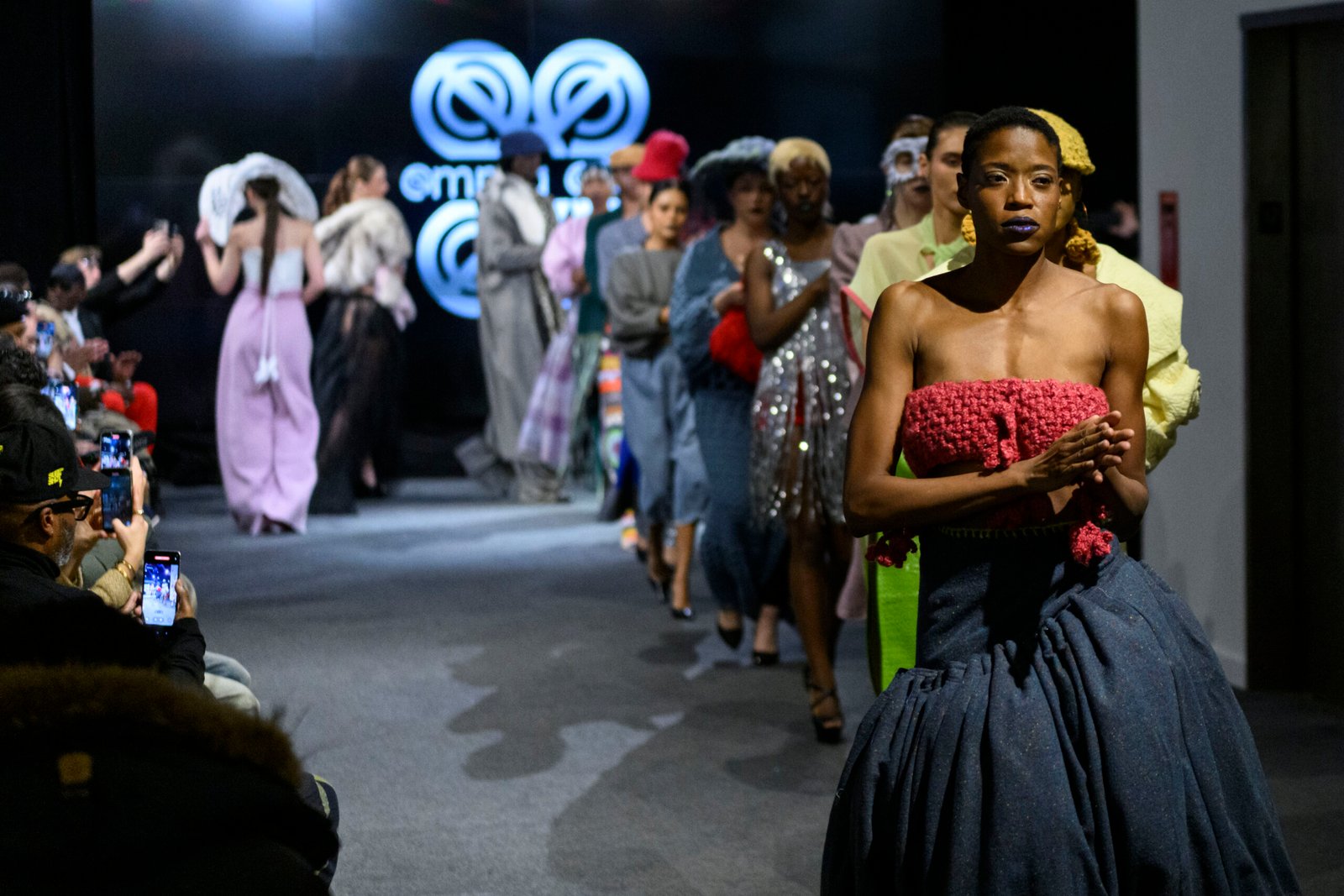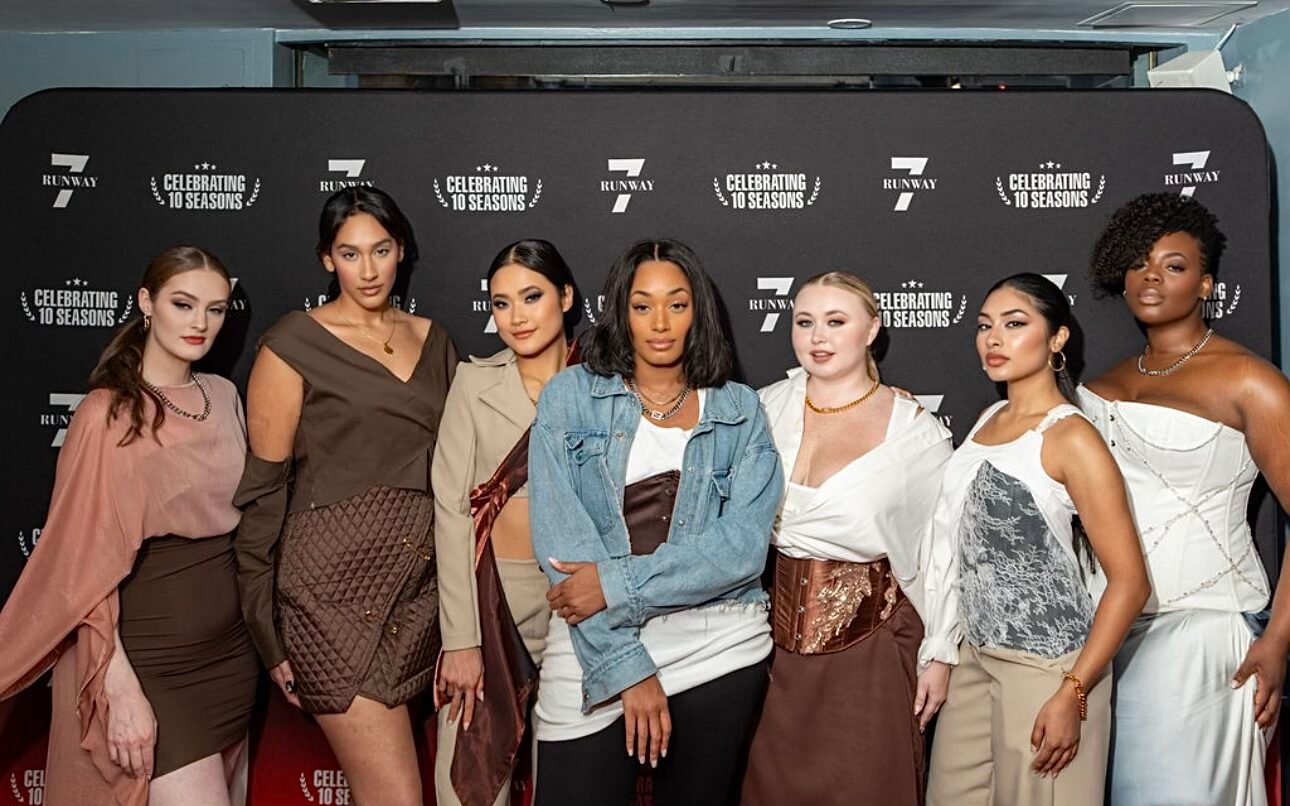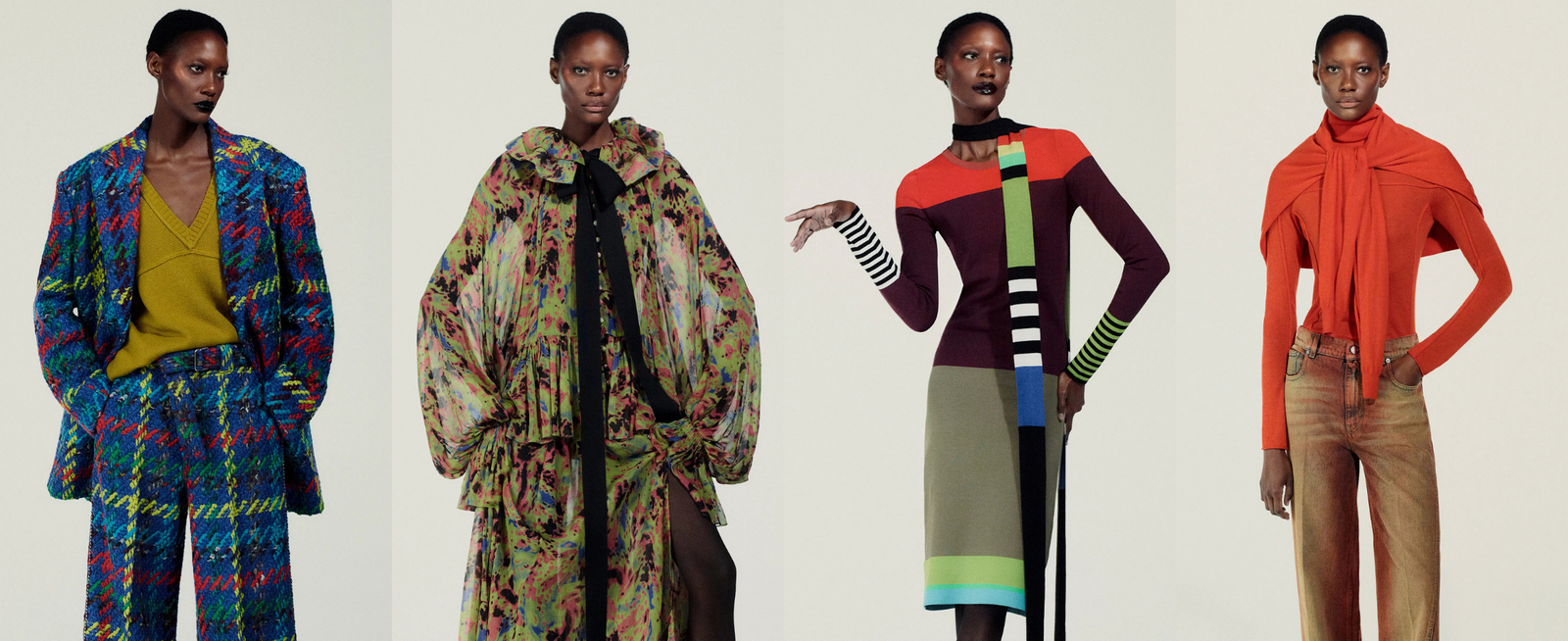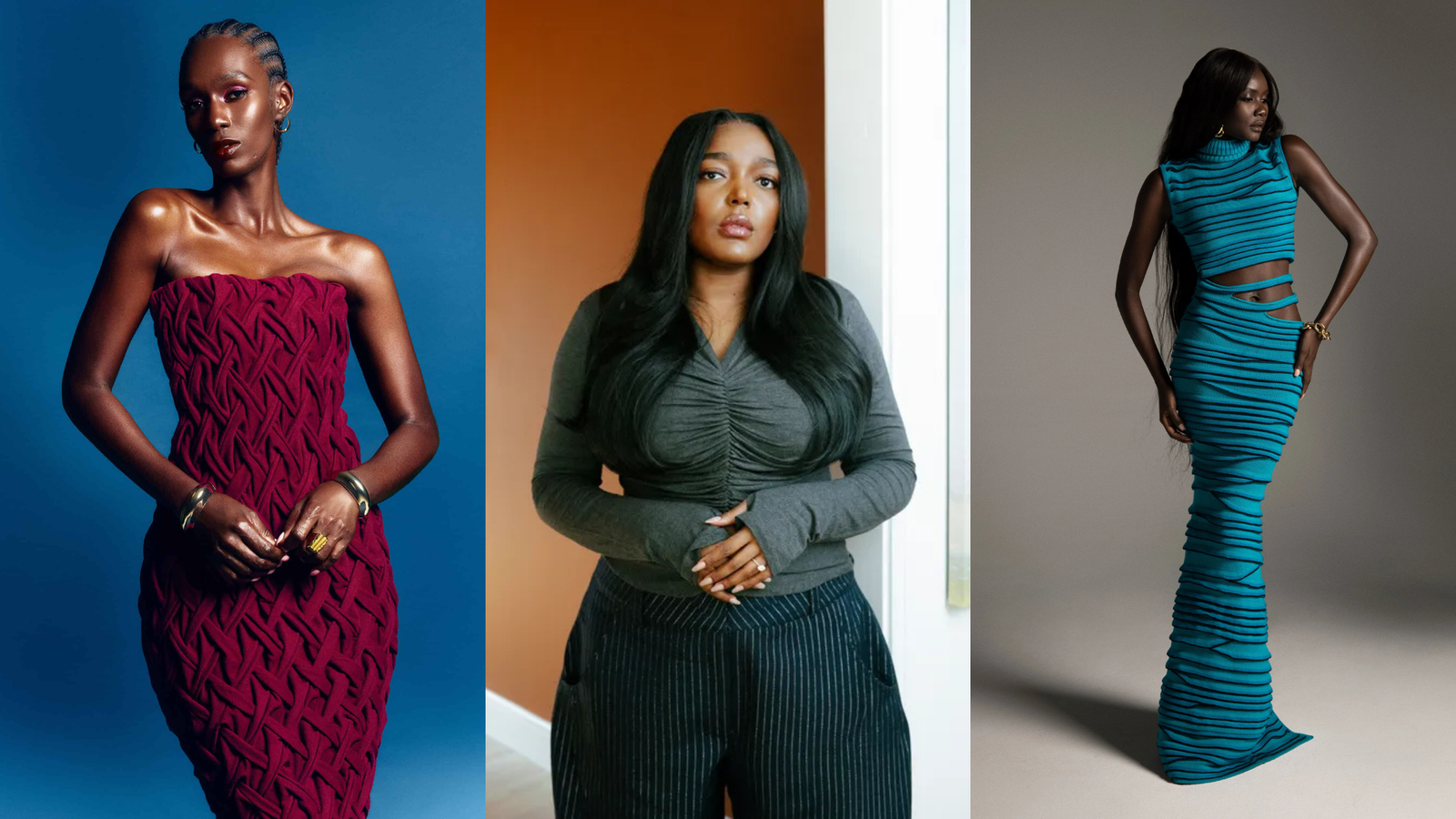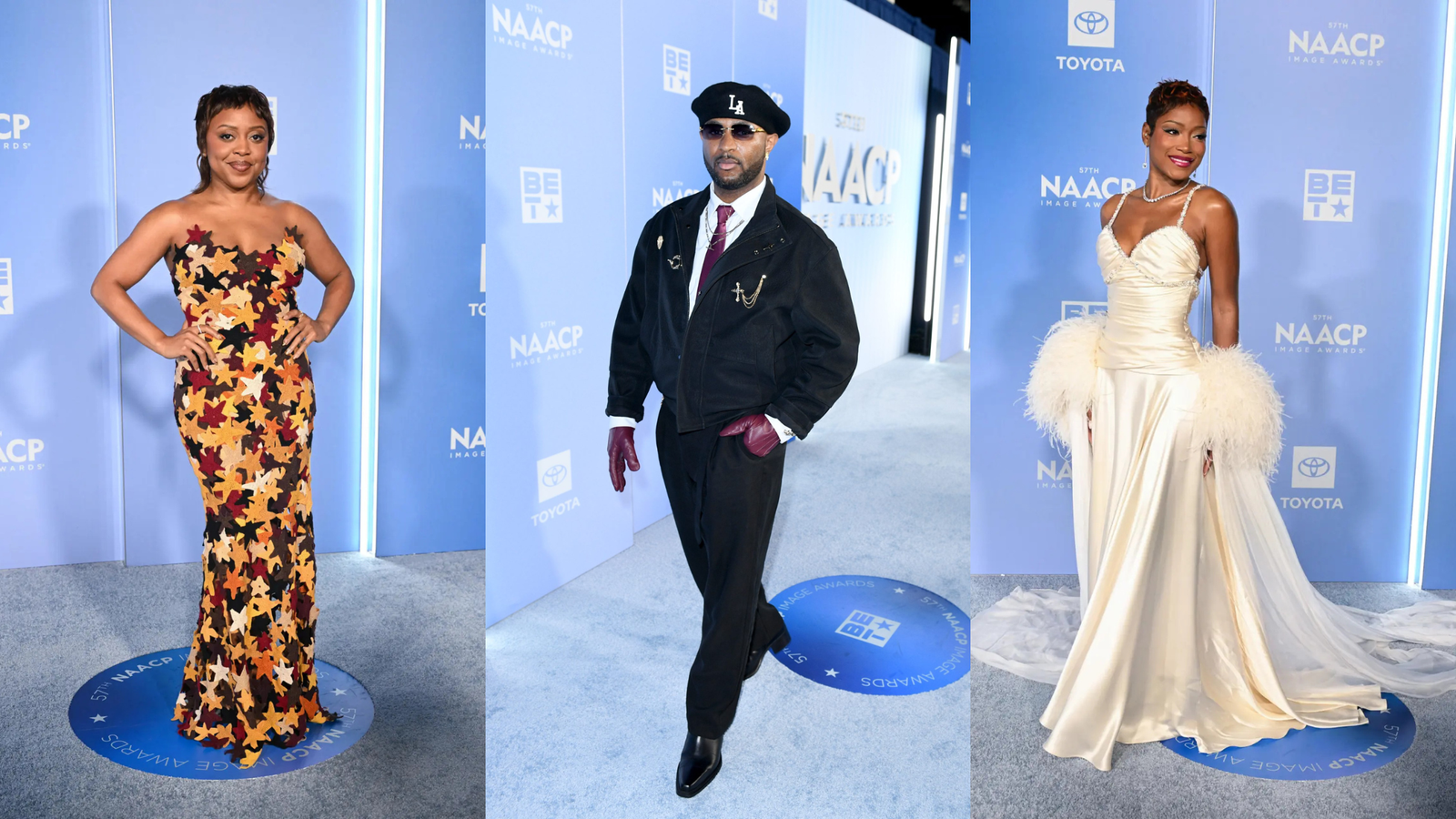

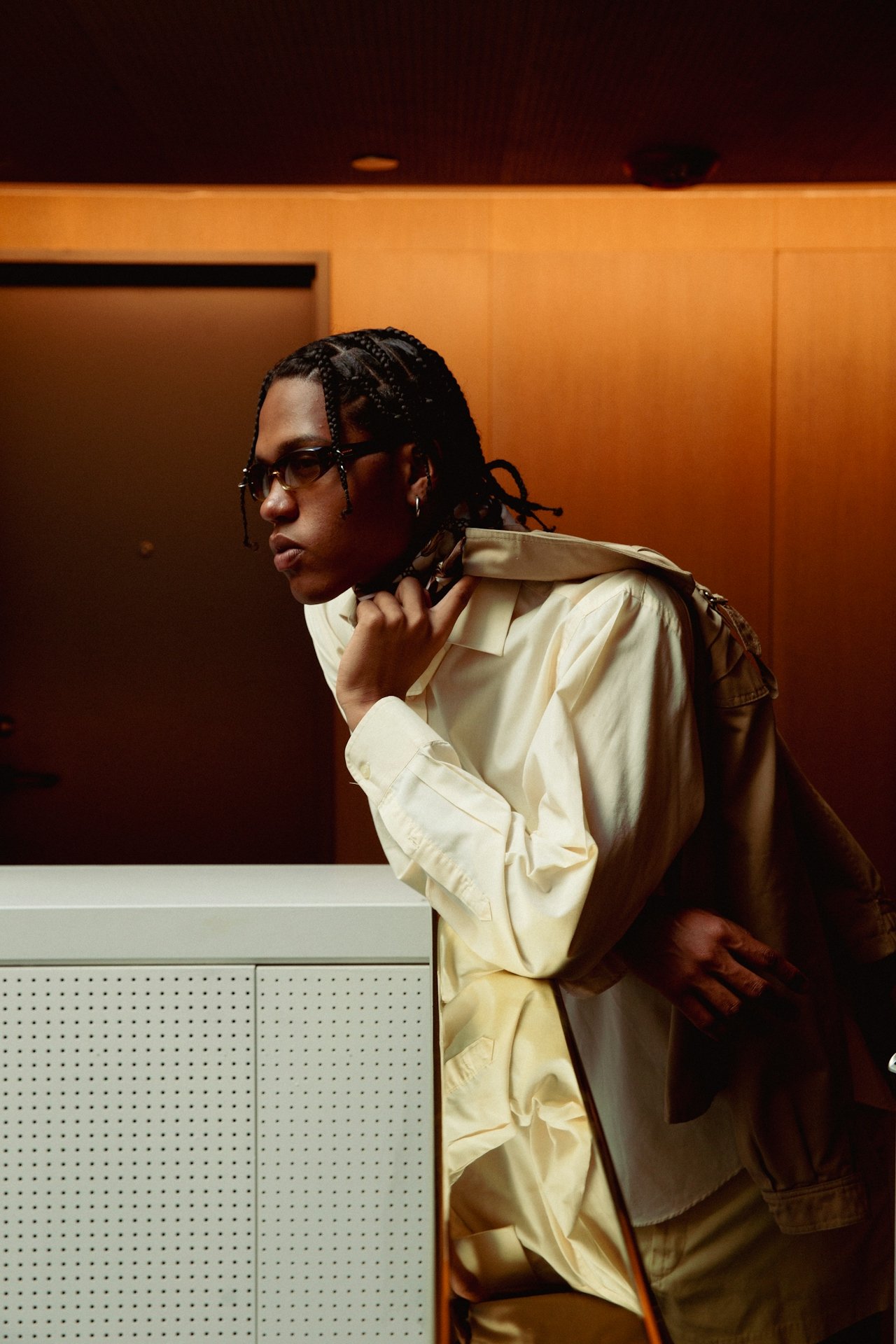
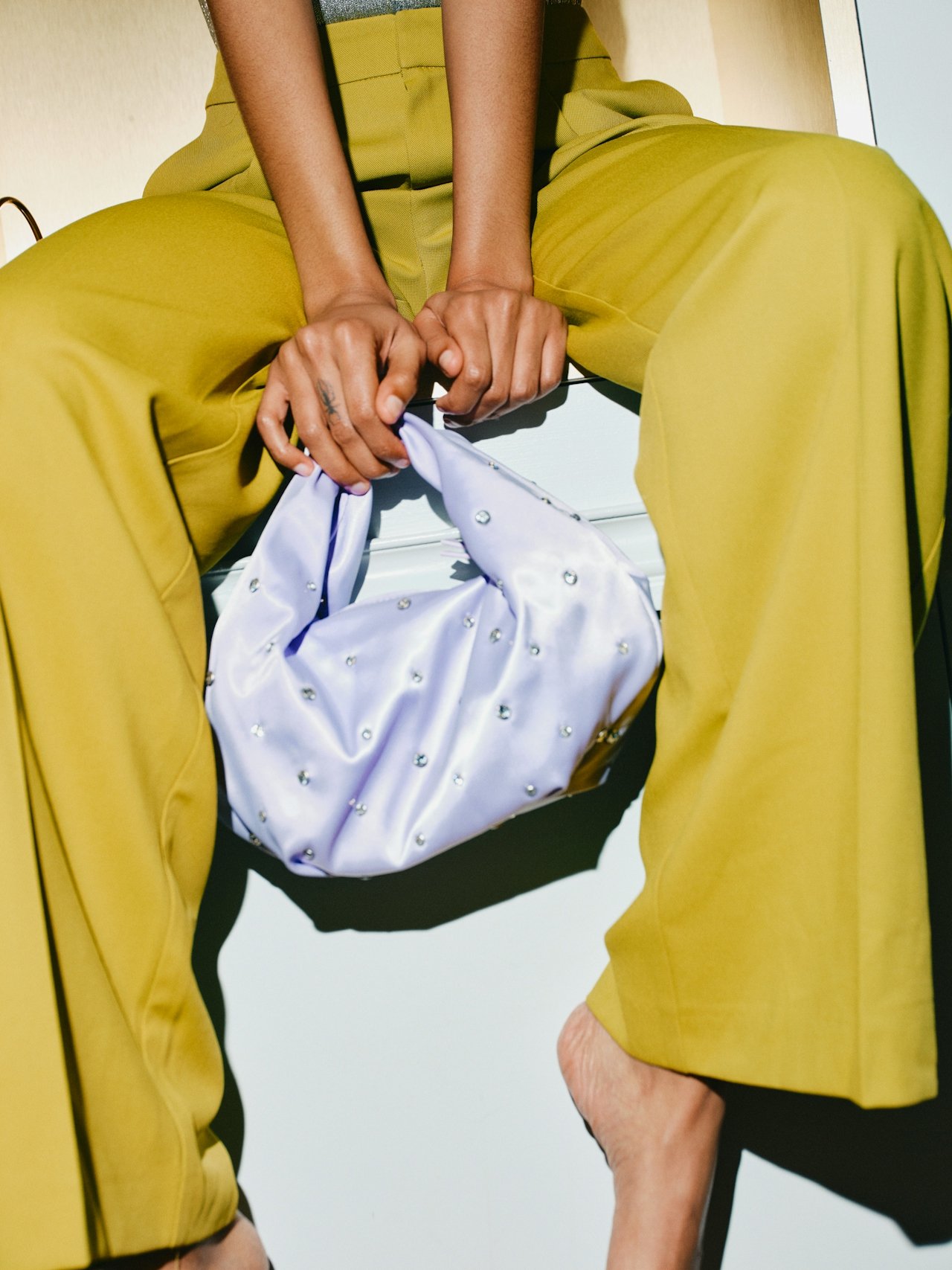
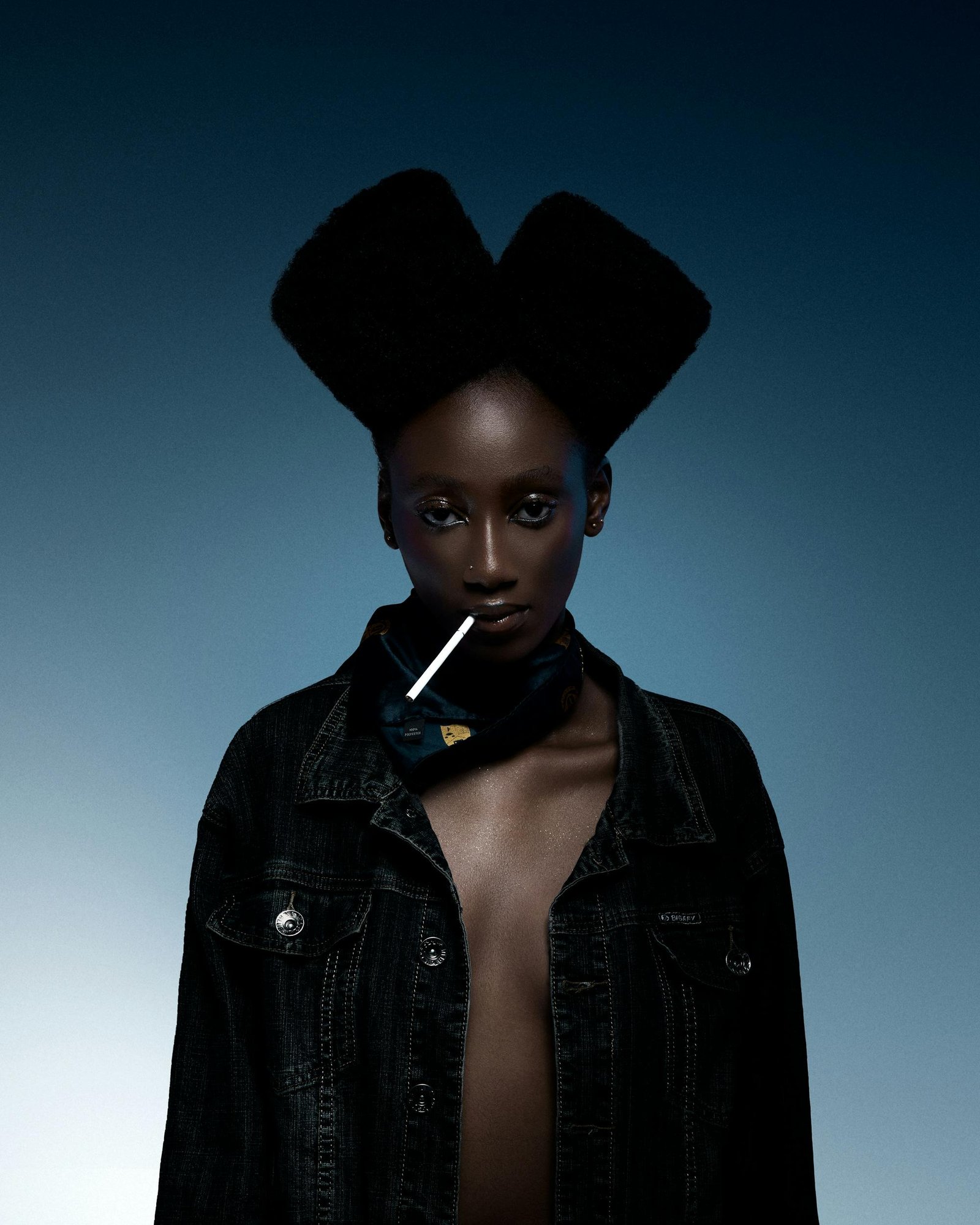
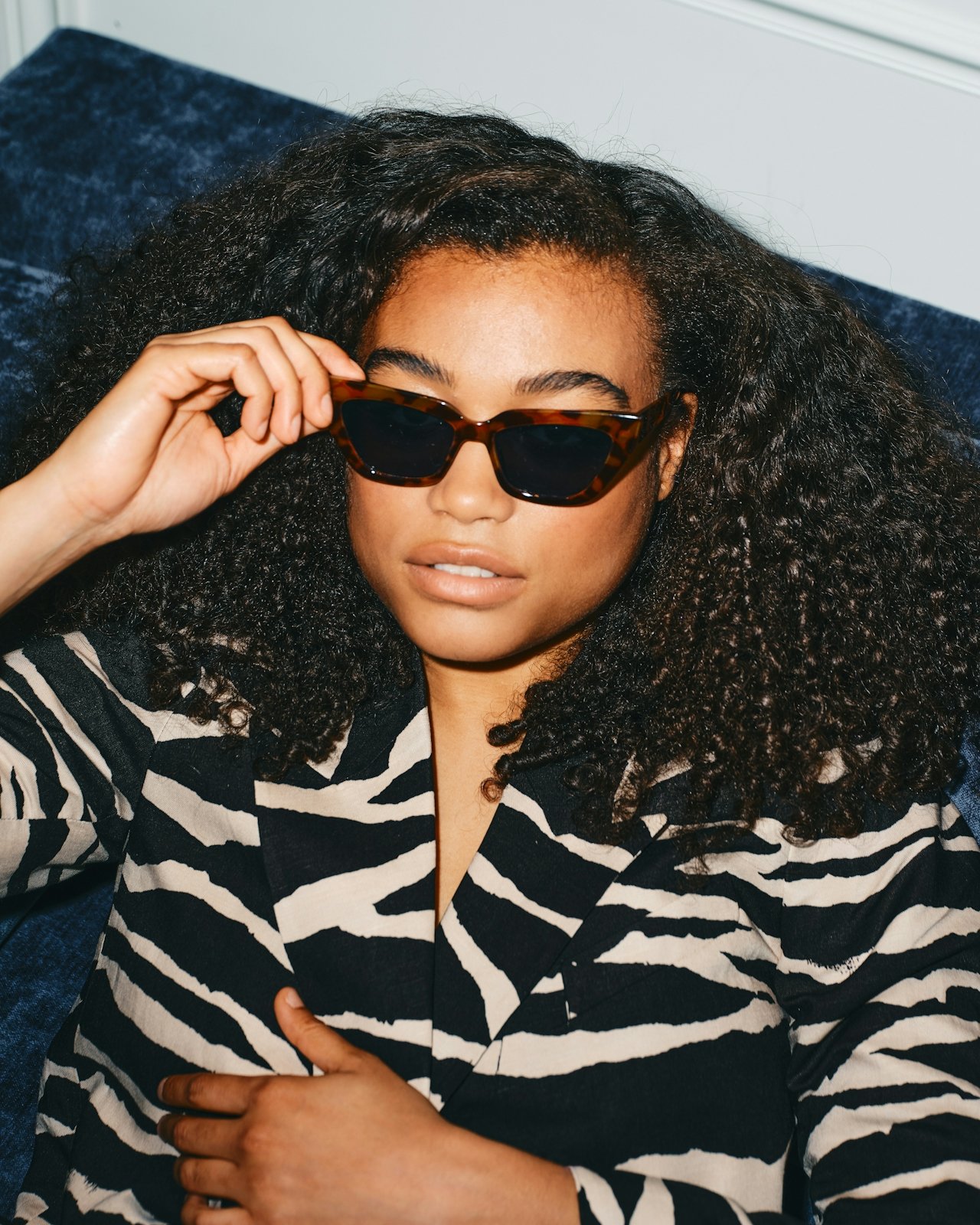


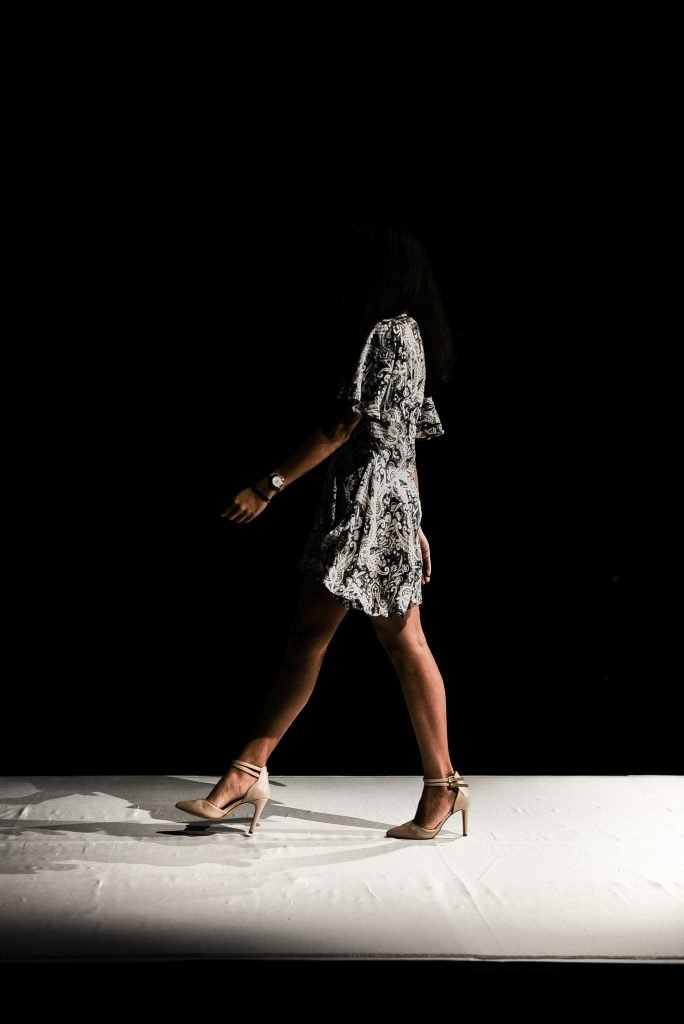
It is not uncommon to hear common folks acknowledge that the beauty standards of the fashion industry, especially when it comes to the runway, are unrealistic. Models from the BIPOC community have long been overlooked because their features differ from quotidian European models. Designers and photographers have often found the unique features they are looking for in Caucasian models which has been the norm for a long time. However, the past few decades have brought about change. There are more Black Models now walking the runway than they have in the past. But is it mainly due to marketing reasons or is the fashion industry genuinely interested in becoming more inclusive?
While the rise of fashion modeling as a career started in the 1920s, it wasn’t until the 1970s and 1980s that Black models such as Bethann Hardison, Tyra Banks, and Naomi Campbell graced the runway with their presence. In 1988, Yves Saint Laurent threatened to stop advertising in Vogue France if they continued to refuse representation of diversity on their cover. Hence, paved the way for Naomi Campbell on the cover of French Vogue that year as the first Black model. In 2003, several agencies sent out notices stating that no model of color would be considered for Fashion Week. Bethann Hardison with her activism and voice pointed out the exclusion, making it one of the pivotal press conferences to have happened in 2007.
It doesn’t always come down to just looks but also representation on the runway. The Fashion industry might have come a long way but it wasn’t without a fight. After facing several challenges and hurdles, Black models are now representing their community and themselves on the runways of major brands. Fashion houses have realized that their consumer are not just the European market but also the rest of the world and to have global attention as well as maintain a good reputation, inclusivity in advertising has increased. When people see their community represented, they feel seen and acknowledged.
We had a chance to speak to Lisa Phillips – former model and now top modeling scout, who shared with us insight into how diversity, inclusion, and opportunities have evolved for Black fashion models.
Advisor.: “How have you seen the representation of diverse models evolve on the runway over the past decade?”
Lisa: “It’s been an explosion of diversity over the last couple years. It’s actually been really exciting to see. Instead of that one token Black girl, designers now have many different shades of black and brown in their designer shows. We also see on TV so much more diversity and opportunities for people of color to have the same advantages as everyone else. It wasn’t this way when I was a model and an actor; I wish it was! But I am happy to see these changes finally made.”
Advisor.: “What impact do you believe increased diversity in modeling has on the fashion industry and society as a whole?”
Lisa: “I think it was just time. Minorities were taking things in their own hands to create their own brands on social media and create opportunities on their own, this way they can’t be denied. The clients and brands had to take notice and see that there’s talent in everyone, and there needed to be more inclusivity. Once the agencies started signing and pushing more models of color, then the clients were more open-minded. It’s been a long time coming, but there has been a powerful shift in marketing.”
Advisor.: “Can you share specific examples of designers or fashion shows that have made significant strides in promoting diversity?”
Lisa: “Actually, If you look at fashion weeks in New York, Paris, London and Milan in recent years, major fashion weeks have made efforts to improve diversity on the runway. They have introduced guidelines and initiatives to encourage designers to cast models from diverse backgrounds. This collective effort aims to create more inclusive representations of beauty during these influential events.
The two designers that I feel gained widespread acclaim for their commitment to diversity are Savage X Fenty by Rihanna and Christian Siriano. Savage X Fenty runway shows prominently feature models of various races, body types, and abilities. Rihanna intentionally showcases a broad spectrum of beauty, challenging traditional norms in the fashion industry.
Designer Christian Siriano has been a vocal advocate for diversity in fashion. He is known for regularly casting models of different sizes, races, and genders in his runway shows. Siriano has also collaborated with brands like Lane Bryant to create inclusive clothing lines for plus-size women.
Advisor.: “What challenges and barriers do diverse models still face today in the fashion industry, and how can they be addressed?”
Lisa: “Diverse models still face significant challenges and barriers in the fashion industry today, despite some progress in recent years. I would have to say tokenism. In some cases, diverse models are included merely to fulfill diversity quotas or as a trend, rather than being genuinely integrated into the industry. This can lead to superficial representation without meaningful opportunities for long-term career growth. Also, I would say typecasting; Diverse models may face stereotyping based on their race, ethnicity, body size, or other characteristics. This can restrict the range of roles or campaigns they are considered for and perpetuate harmful stereotypes. While there is still much work to be done, these designers and fashion shows serve as beacons of change, inspiring others to embrace diversity as a core value in fashion.”
Advisor.: “How do you think the inclusion of diverse models on the runway influences younger generations and aspiring models from underrepresented communities?”
Lisa: “The inclusion of diverse models on the runway has a profound impact on younger generations and aspiring models in several ways. Seeing models who look like them on TV and in magazines provides validation to young people from diverse backgrounds. It challenges narrow beauty standards and demonstrates that beauty comes in various forms, encouraging self-acceptance and confidence. It also shows that success in the fashion industry is possible regardless of race, ethnicity, body size, gender identity, or disability. It sends a powerful message that diversity is valued, celebrated, and essential in the fashion world and beyond.”
More about Lisa Phillips: As a former international fashion model with Ford Models for more than a decade, Lisa has traveled to many countries and cultures, gracing over 70 national TV commercials. Now, living her dream job in West Hollywood as a model scout for a top global agency, her journey has evolved into empowering women to find their voices after abuse in the entertainment industry. As a single parent raising three boys, she understands the importance of mindset shifts and manifesting dreams. Through her advocacy work, speaking engagements, and upcoming podcast, she aims to foster a safer, more supportive environment for women, ensuring they feel empowered to speak out against abuse and embrace their inner strength
Share this post
NEWEST READS
The Evolution Of Diversity On The Runway
Our Thoughts: Hanifa’s New SS24 Collection
Cultural Appropriation vs. Appreciation in Fashion
Here’s 4 Reasons Why Jodie Turner-Smith Will Forever Be That Girl
How This Detroit Native Is Conquering The Design & Product Development Space With VISN Studio
WATCH A.TV
WATCH A.TV
POPULAR READS
Mcdonald’s Partners With Elaine Welteroth For Black & Positively Golden Change Of Fashion Program
Our Favorite Black Fashion Influencers Of The Week Vol. 3
Why Fast Fashion Companies Are Detrimental, Especially To Black Fashion Creatives
The Best Dressed Black Celebs At The Met Gala 2024
How Freaknik Fashion Is Still #1 On Our Fashion Moodboards
LISTEN
Latest Epsiode: Bonus Episode
ADVISOR. RECOMMENDS
Mcdonald’s Partners With Elaine Welteroth For Black & Positively Golden Change Of Fashion Program
Style Black culture has always influenced the majority of the fashion trends and scopes that are popular in this day and age. Looking forward, now Read More
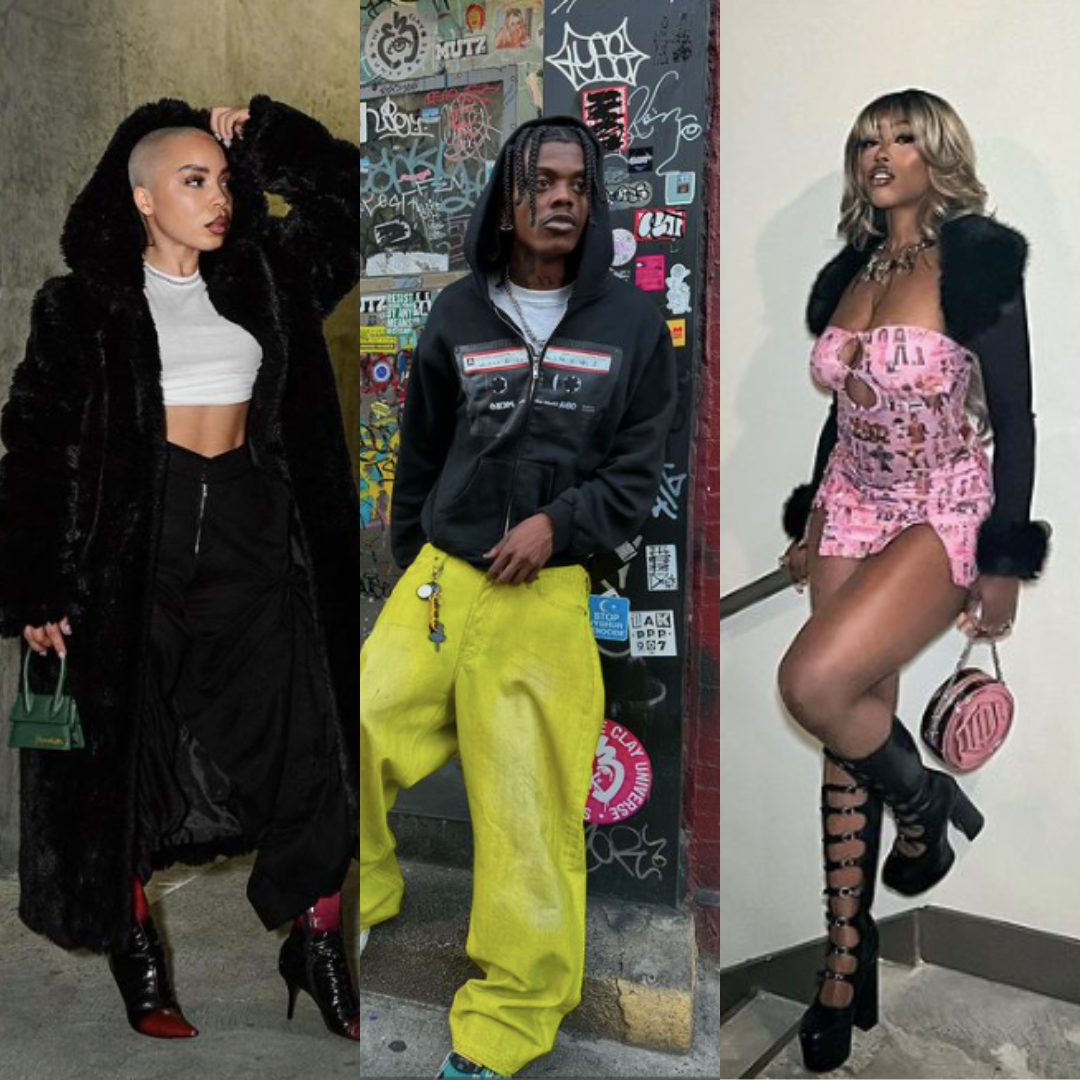
Our Favorite Black Fashion Influencers Of The Week Vol. 3
Style Black culture has always influenced the majority of the fashion trends and scopes that are popular in this day and age. Looking forward, now Read More
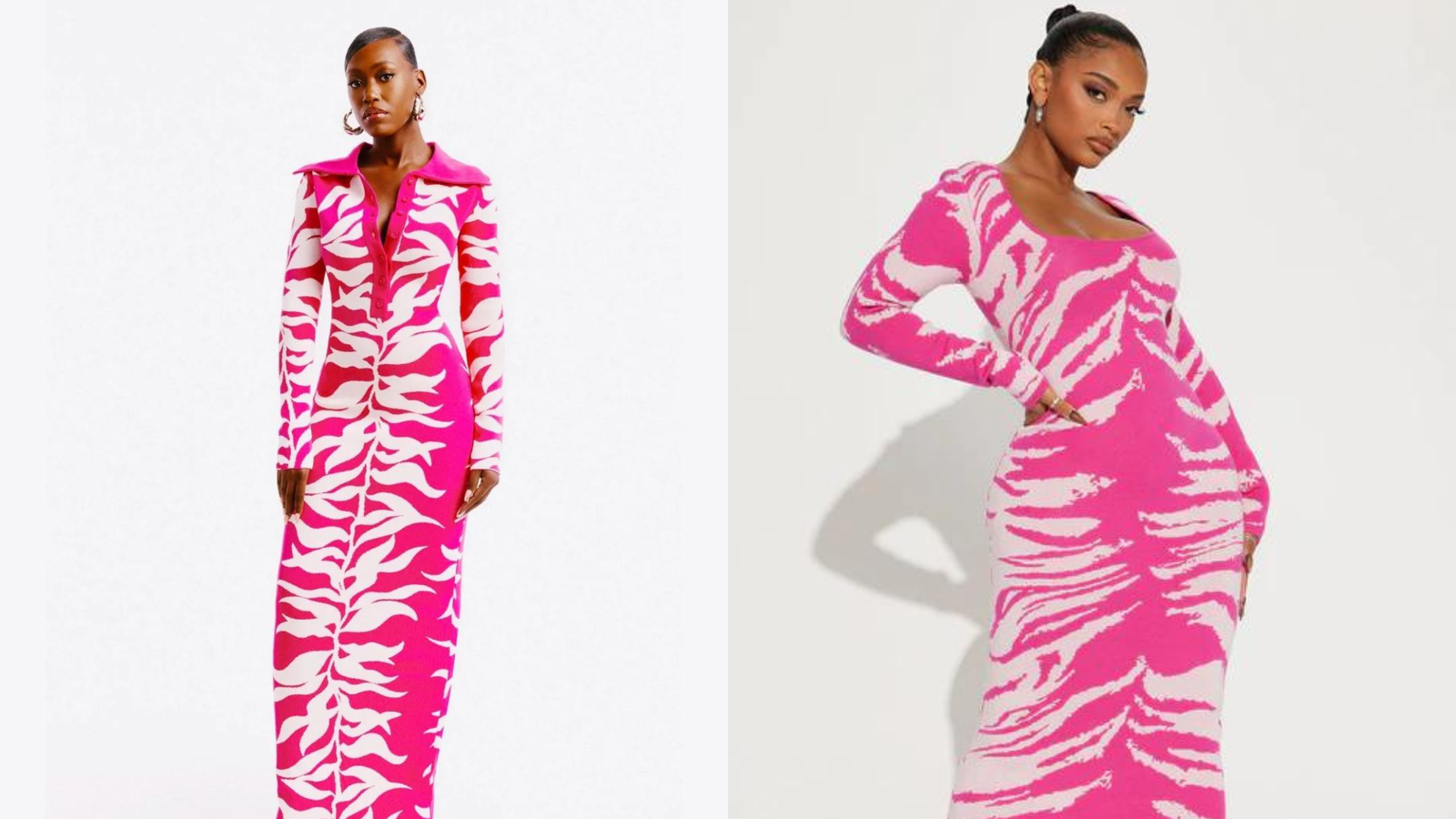
Why Fast Fashion Companies Are Detrimental, Especially To Black Fashion Creatives
Business As consumers living in a capitalist society, I think we can all agree that it’s hard to say no to a good deal, but Read More