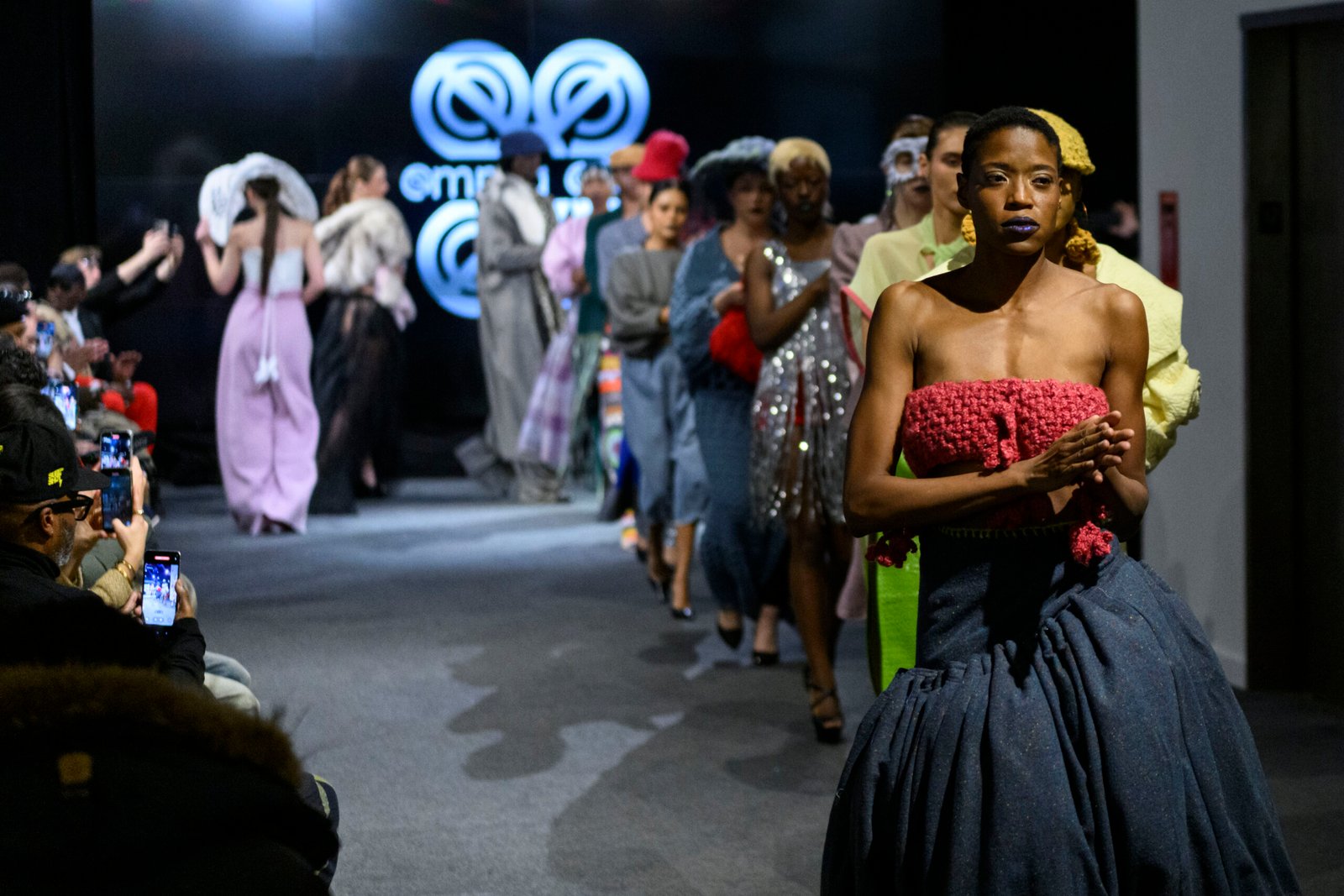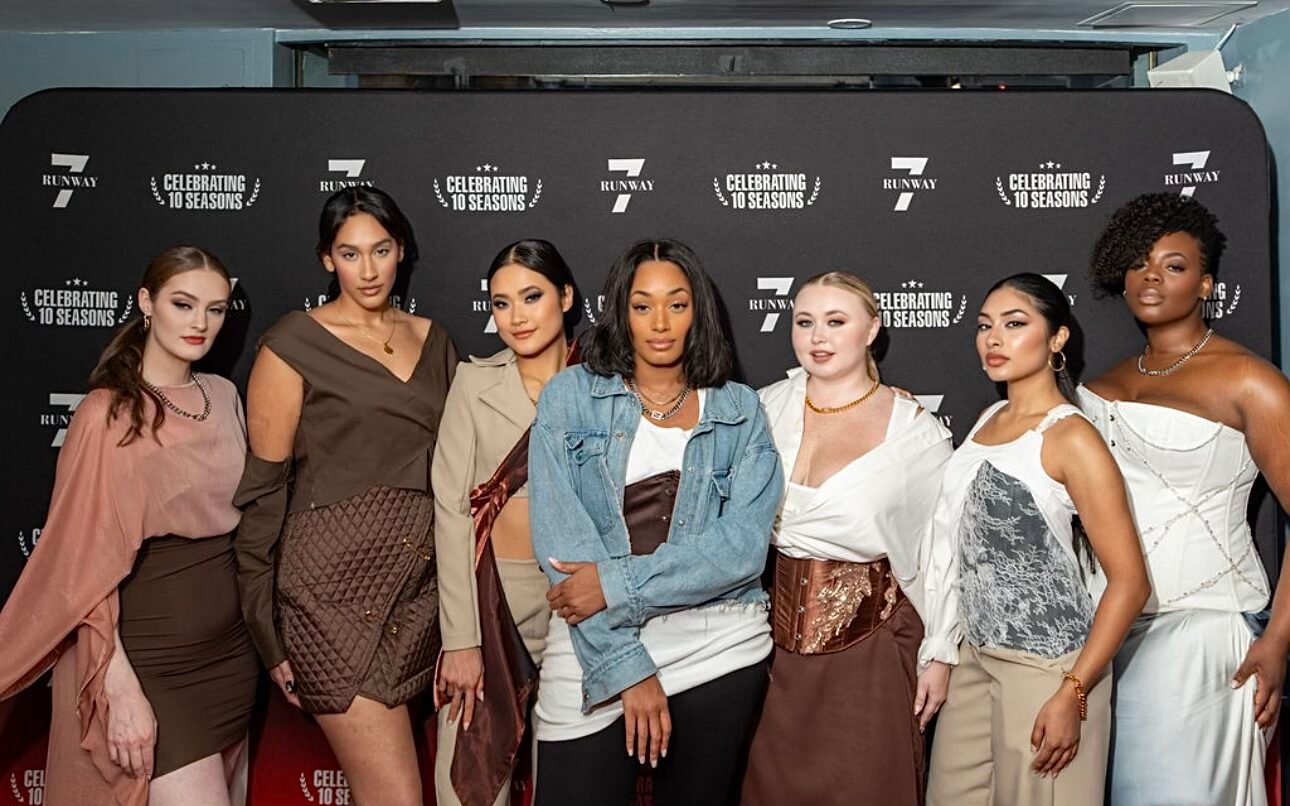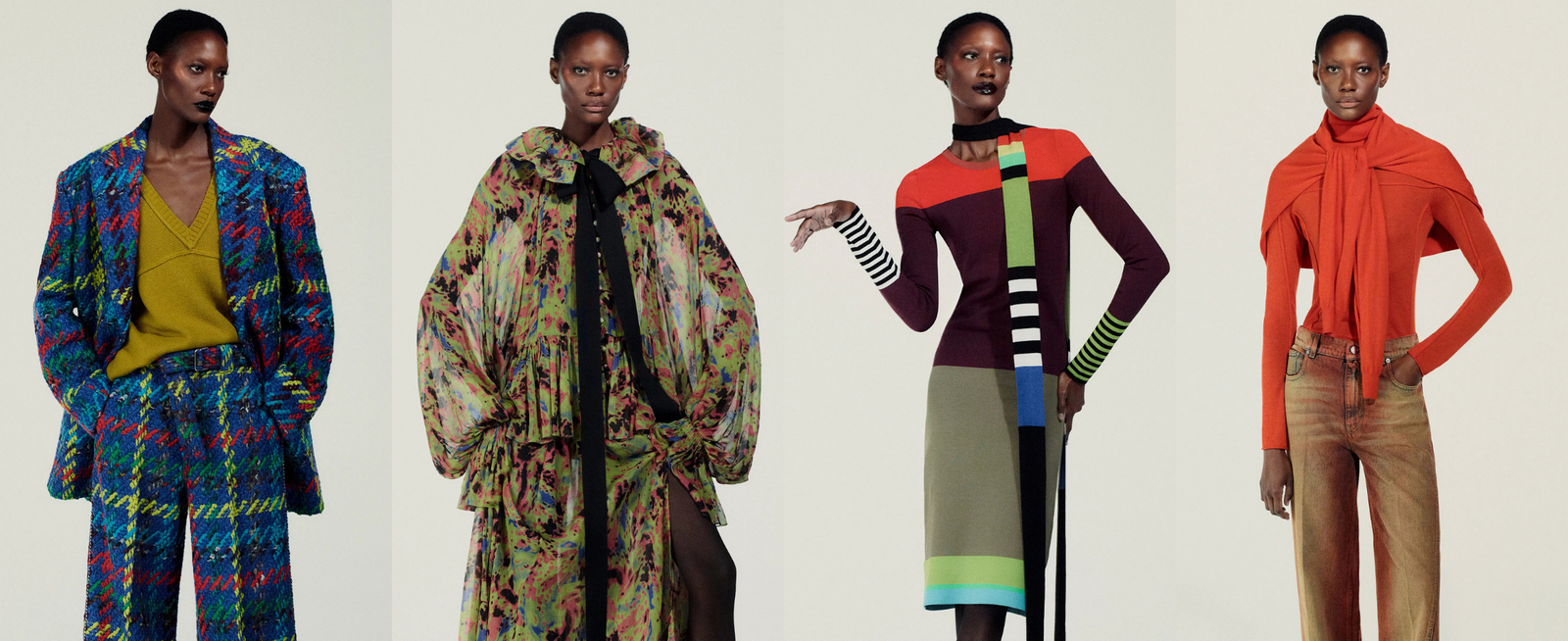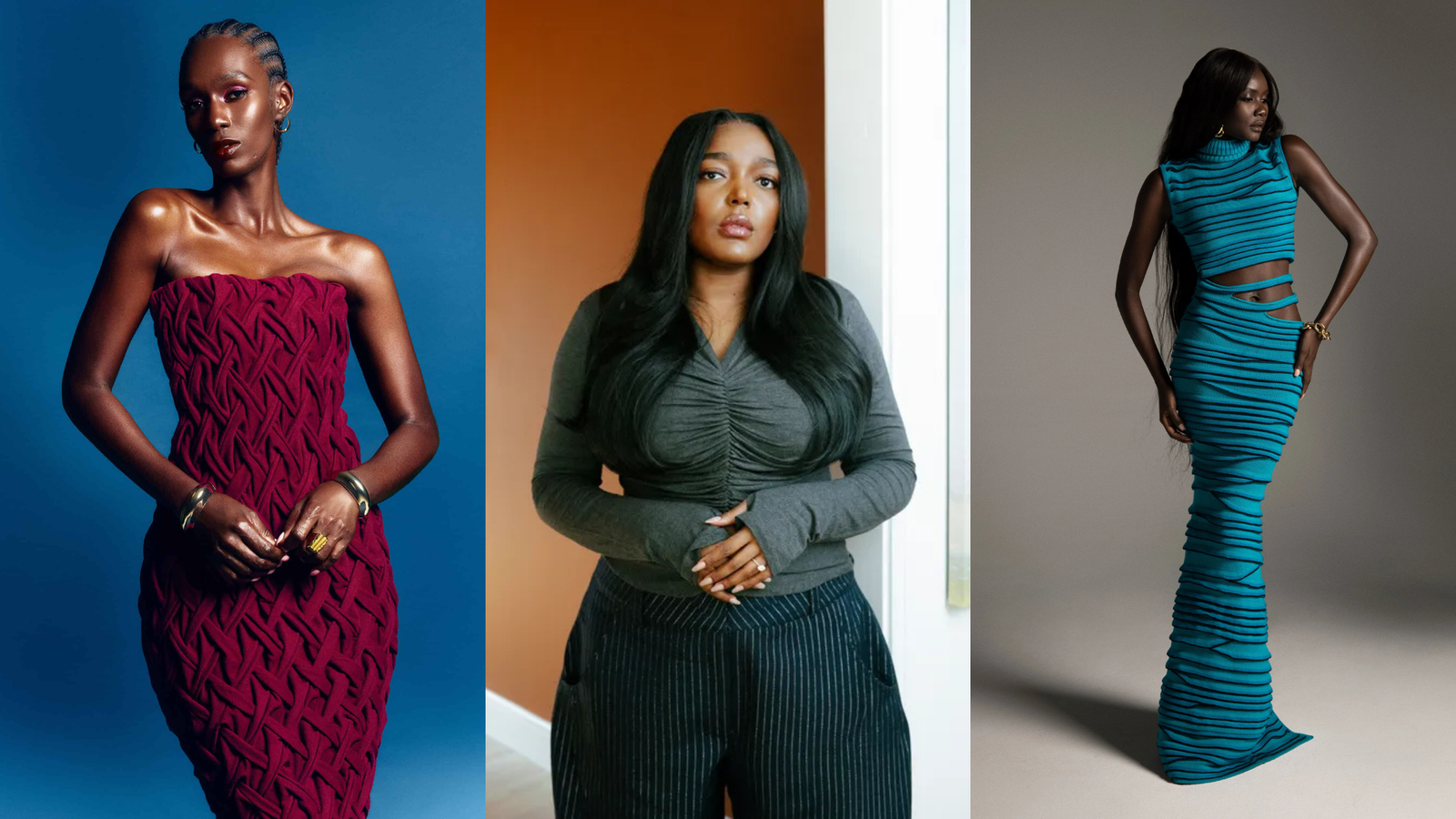




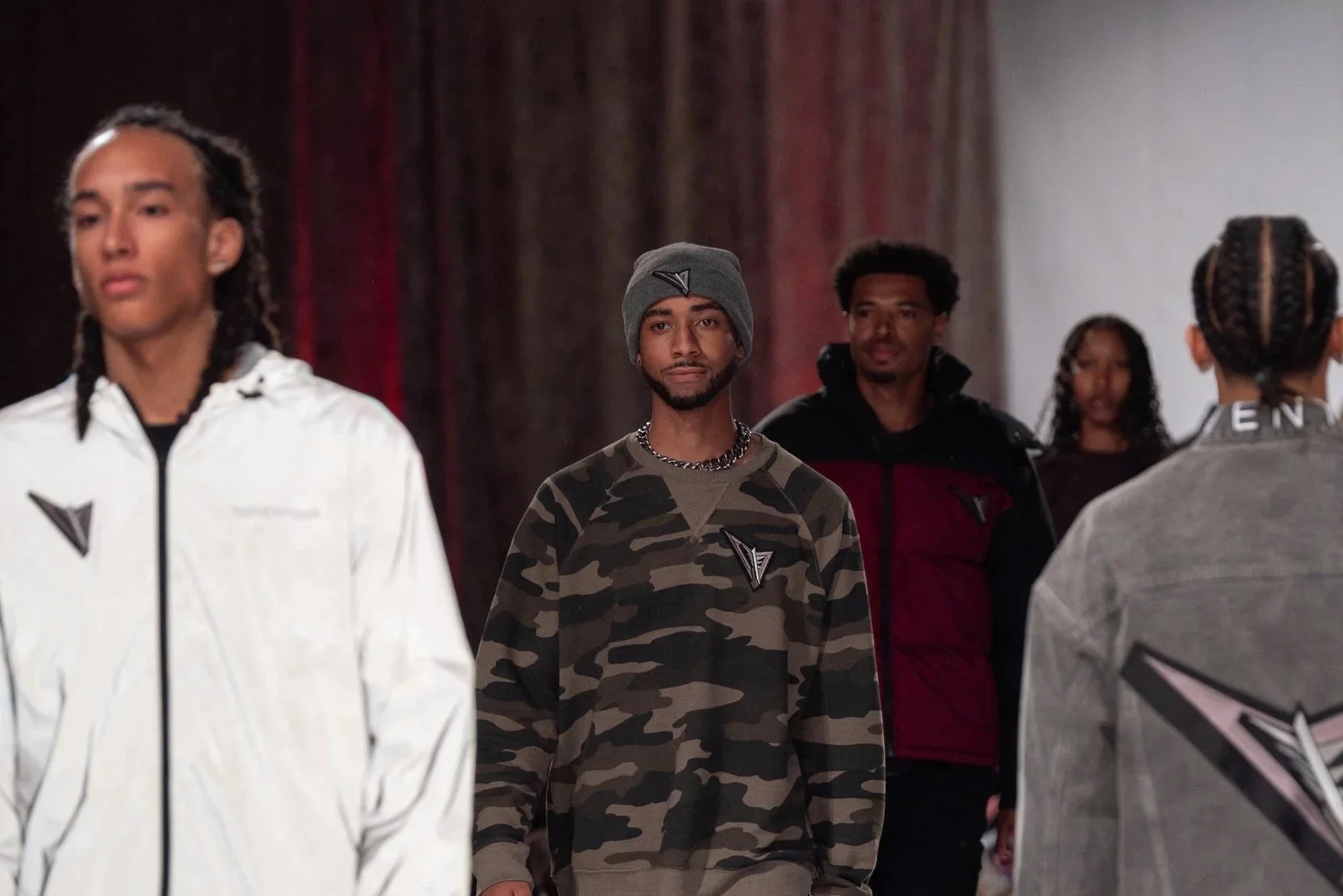
After nearly a decade away, St. Louis Fashion Week is set to take place again from June 6 through June 14, 2026. Its reemergence reflects a renewed investment in the Midwest fashion landscape and introduces additional avenues for designers, models, and creative professionals who have long contributed to St. Louis fashion.
Now operating under the ownership of Teisha Barber, founder and CEO of Kansas City Fashion Week, STLFW draws from more than 14 years of experience producing nationally recognized runway shows and year-round programming. That background has shaped an approach focused on professional growth, continuity, and stronger industry connections, positioning St. Louis as a place where fashion careers can be developed over time.
Black fashion in St. Louis has been building in plain sight, sustained by creatives who have continued to produce, organize, and lead within the city. Well before this moment, Black designers, stylists, and fashion professionals were establishing audiences and creating spaces that centered their perspectives and aesthetics. Saint Louis Black Fashion Week has been part of that foundation, offering opportunities for Black creatives to present their work, gain visibility, and connect with community. Its presence reflects an ongoing commitment to cultural specificity and creative ownership that continues to shape the city’s fashion identity.
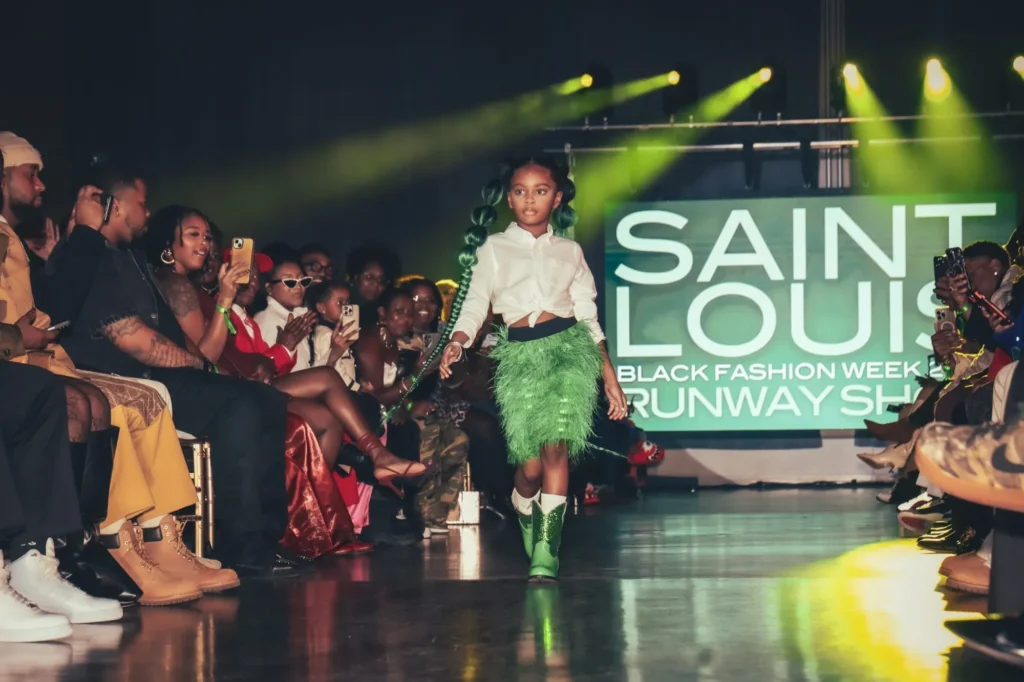
Seen within that context, St. Louis Fashion Week’s return does not mark a starting point or a course correction. Instead, it adds scale. By existing alongside Black-led initiatives already doing the work, STLFW creates another pathway for those seeking wider exposure, professional resources, and industry relationships without leaving their home market.
A key element of this next chapter is broader access to professionally produced shows and extended networks. For Black designers and fashion professionals, these resources often influence who receives media coverage, builds buyer relationships, and secures long-term business opportunities. By expanding Kansas City Fashion Week’s presence across Missouri, STLFW contributes to stronger regional ties and reinforces the Midwest as a place where fashion businesses can grow.
That intention is reflected in the leadership shaping the event. The appointment of Brandin Vaughn as Designer Coordinator brings a designer-informed perspective into the planning process, supporting clearer communication between creatives and production. Public relations and media efforts are being guided by leadership rooted in Black fashion storytelling, ensuring the city’s fashion landscape is represented with accuracy, care, and respect for work that already exists.
The return of St. Louis Fashion Week also takes place within a city supported by a range of fashion-focused organizations and initiatives. The Saint Louis Fashion Fund, which will serve as STLFW’s official nonprofit partner, has long supported designers through resources, mentorship, and industry access. Other collectives across the city continue to contribute to visibility and advocacy in different ways, reflecting a fashion community shaped by many contributors rather than a single institution.
Some of those efforts have centered on creating retail-facing opportunities for Black designers. Local exhibitions held in partnership with national retailers during Black History Month, for example, have allowed designers to present their work within major commercial spaces, introducing their brands to new audiences and reinforcing demand within the luxury marketplace.
For Black creatives, the presence of multiple avenues reduces pressure rather than creating competition. Different spaces offer different forms of value, whether cultural grounding, community connection, or expanded industry reach. Together, they allow designers, models, and fashion professionals to define success on their own terms.
The 2026 shows will take place at 18th and Rails at City Foundry STL, a location tied to the city’s broader investment in creative industries and economic development. Designer and model castings are currently underway, signaling active preparation. More broadly, St. Louis Fashion Week’s return invites a larger conversation about how fashion infrastructure can function in home markets. When investment is local and collaboration is intentional, Black fashion talent is not only visible, but supported in lasting ways.