
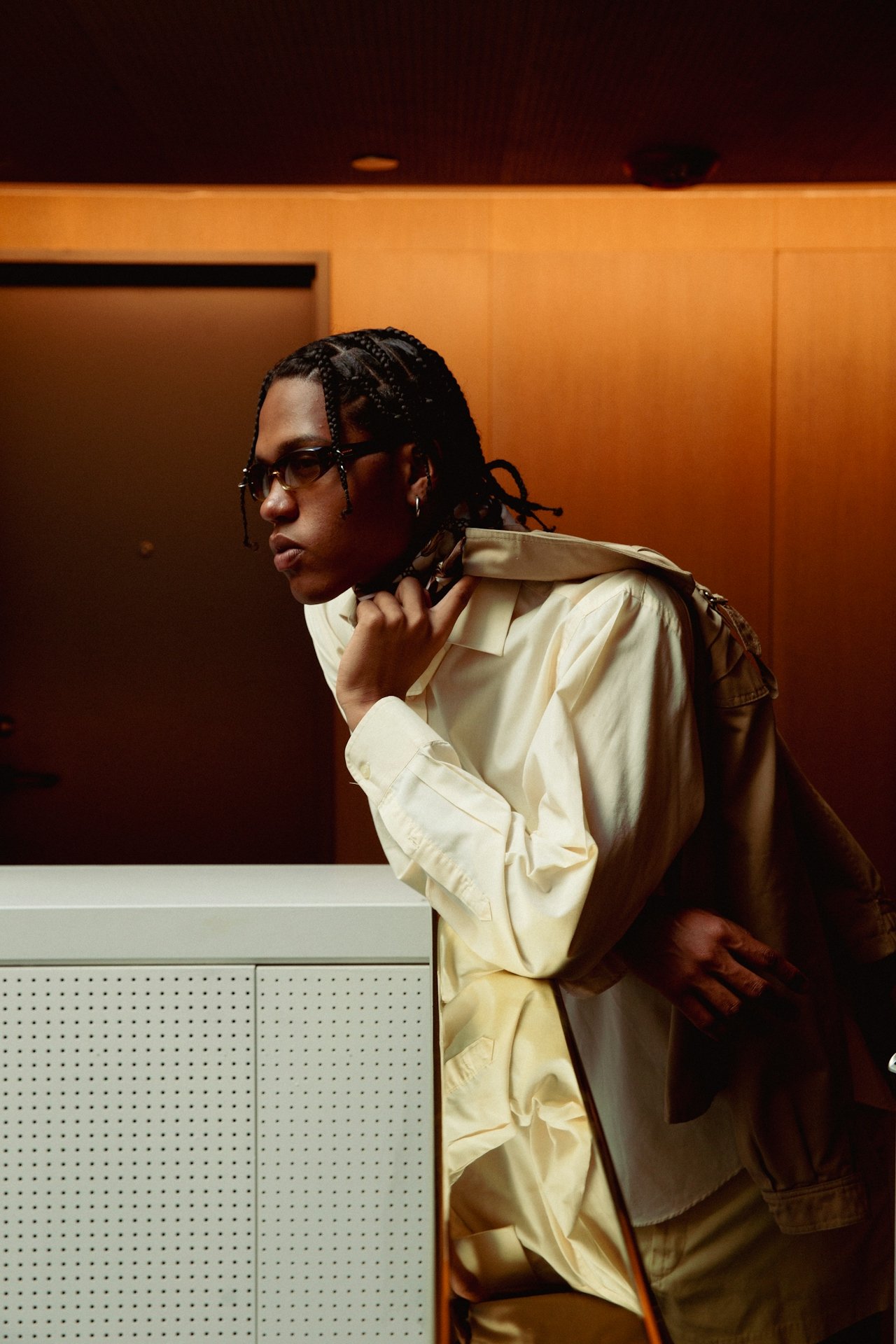
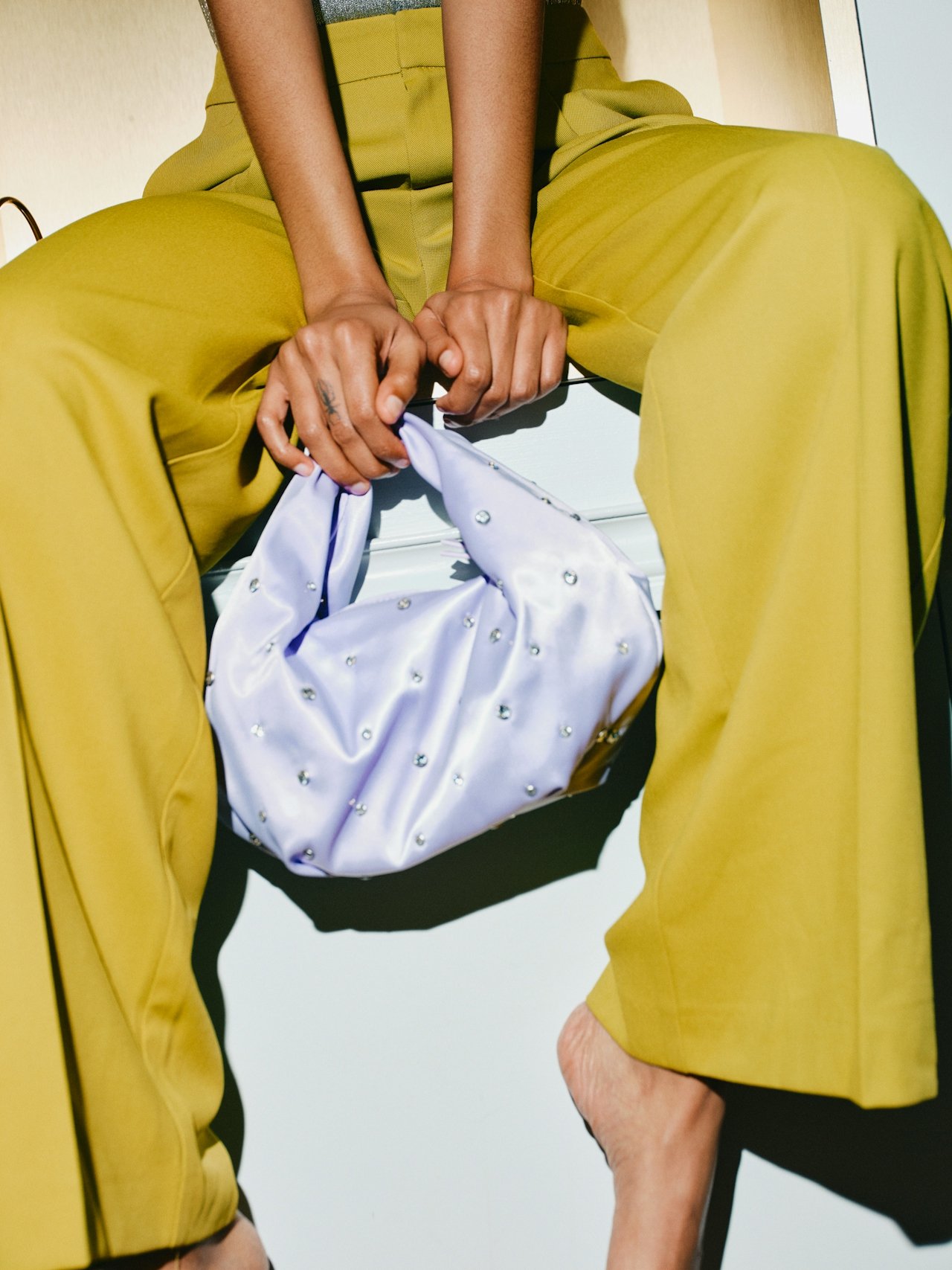
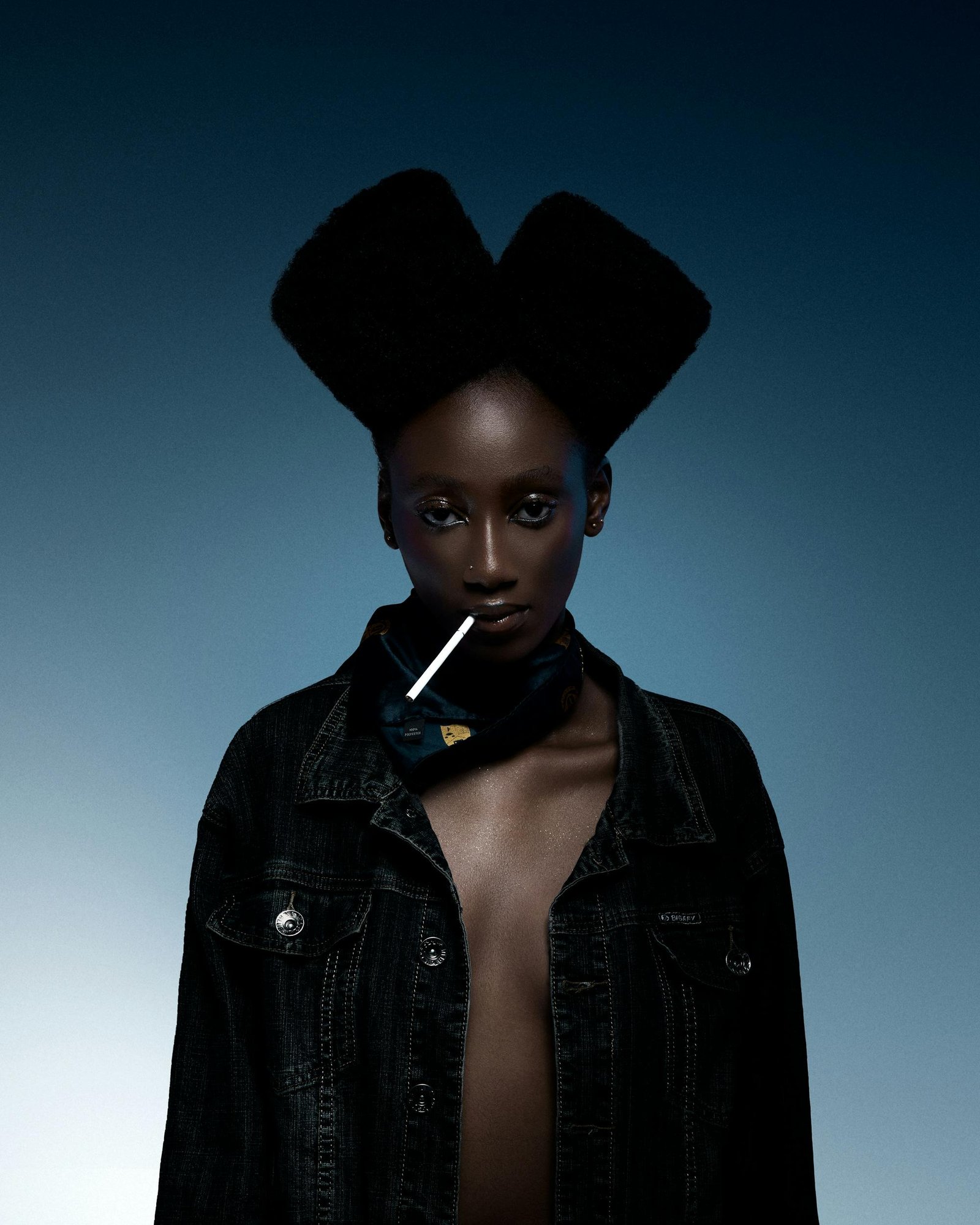
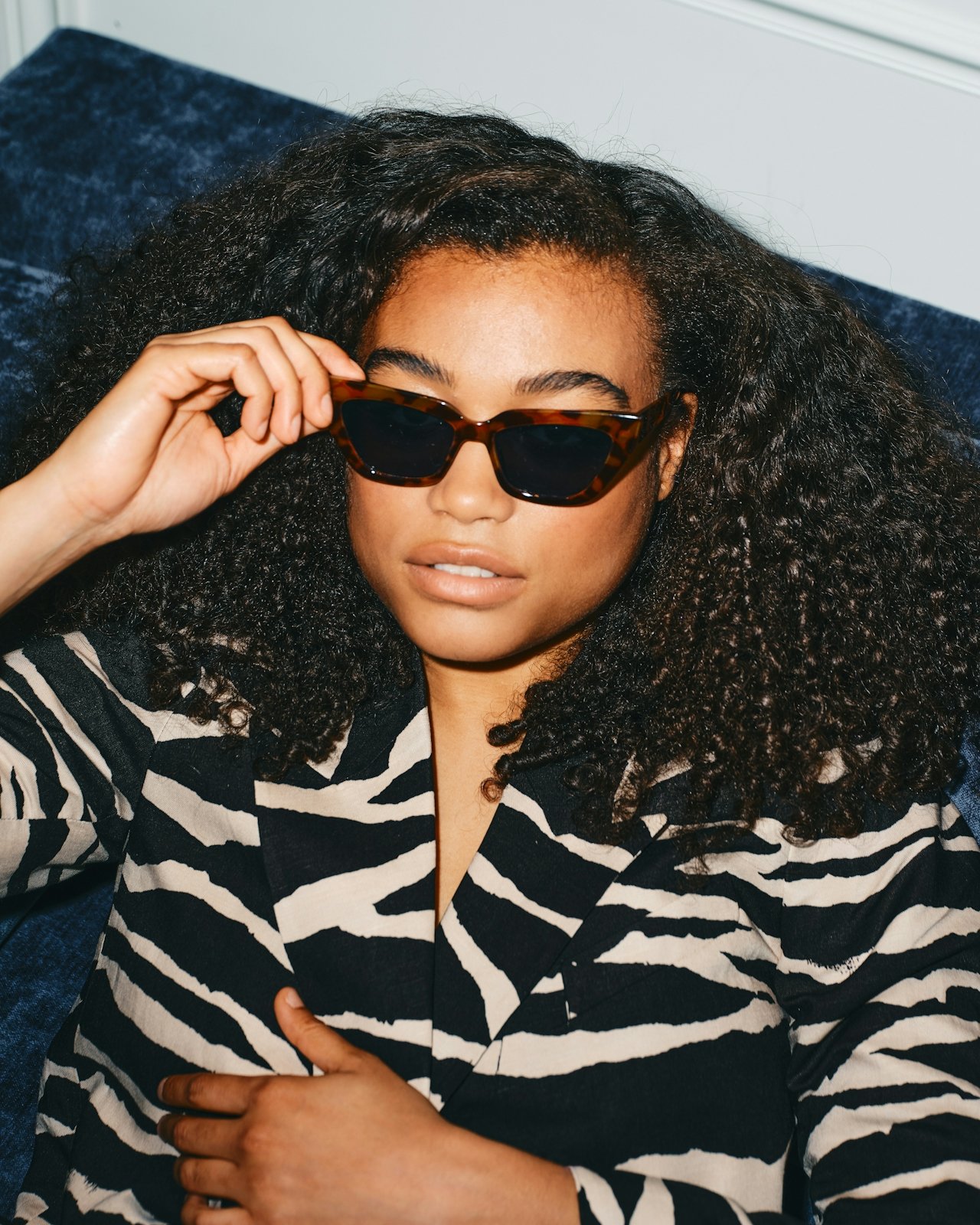


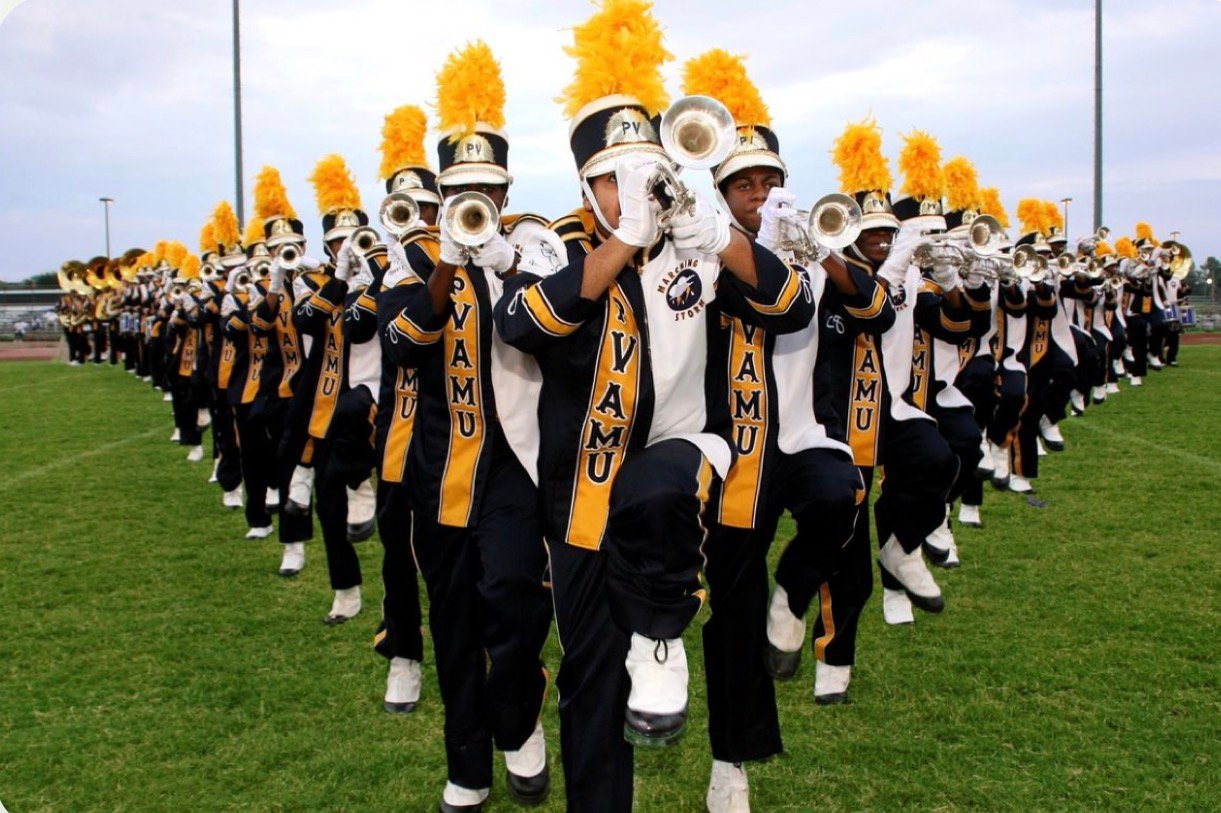
If you’ve ever stepped foot on an HBCU campus, really stepped into it, felt the pulse, heard the band warming up from across the quad, witnessed the stepping and strolling at the Greek plots, you know it is more than a school. It is a world, with fashion running as its undercurrent. Many people grew up watching A Different World or In Living Color thinking they understood HBCU culture, the style, the humor, the softness, the pride. But those shows were only introductions. The real story, the real fashion revolution, lives in the everyday experience of Black students finding themselves in community, in safety, and in self expression. These campuses are the only places where, for four years, you can simply be Black. And nowhere is that more visible than during Homecoming.
Every Campus Has Its Signature
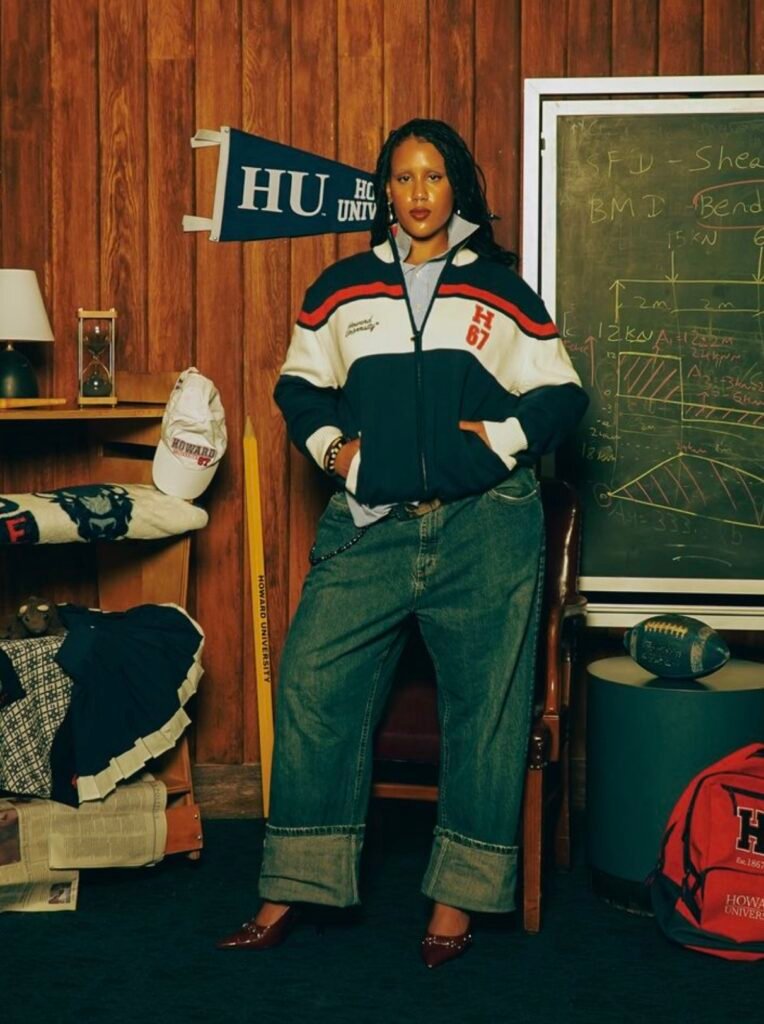
Each HBCU has its own style code, its own recognizable aesthetic. One campus can feel like Fashion Week, another like a Southern trailride, and another like a family reunion that just happens to have a gala level dress code. That is the beauty of HBCUs. Their style languages reflect history, geography, and legacy.
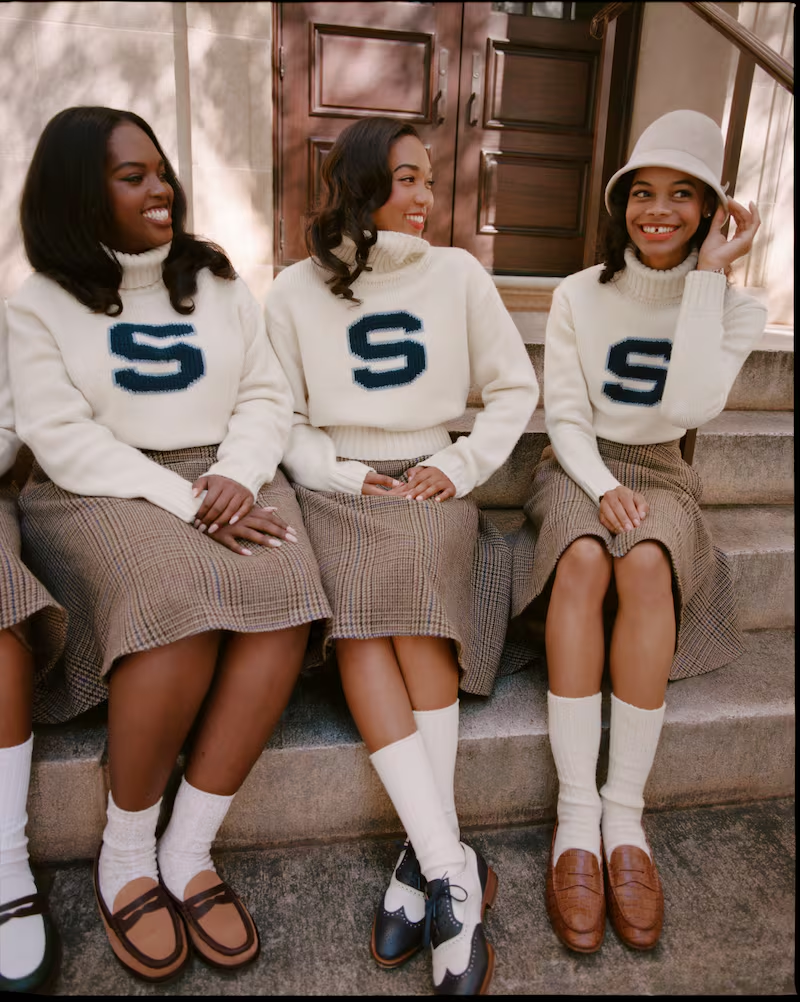
Clark Atlanta University offers an eclectic, edgy aesthetic shaped by the wide range of culture immersed throughout the campus. It is the birthplace of creatives, innovators, and tastemakers who treat the promenade like a runway. Spelman and Morehouse hold the Ivy League energy of the Atlanta University Center, where the aesthetic leans elevated and collegiate, with blazers, sweater vests, polished neutrals, and tailored pieces.
Texas Southern University and Prairie View A and M, two of the largest HBCUs in the country founded after Black people in Galveston were told they were free, are rich in cultural identity. Their style carries a bold nod to Texas cowboy heritage. Designer boots, denim, hats, and trailride energy merge with modern fashion. Hampton University and Howard University, forever locked in the battle of who is the real H, treat their yards like runways. Their style includes streetwear, pattern play, vintage pieces, and archival designer moments.
Every campus is its own aesthetic universe. That diversity is what builds Black style in America. There was a time when Black people could not receive an education at all. From 1837 to 1962, universities and colleges were established for Black students to learn, create community, and build culture. The style stories we see today are direct reflections of that legacy.
The Divine Nine: Style Architects
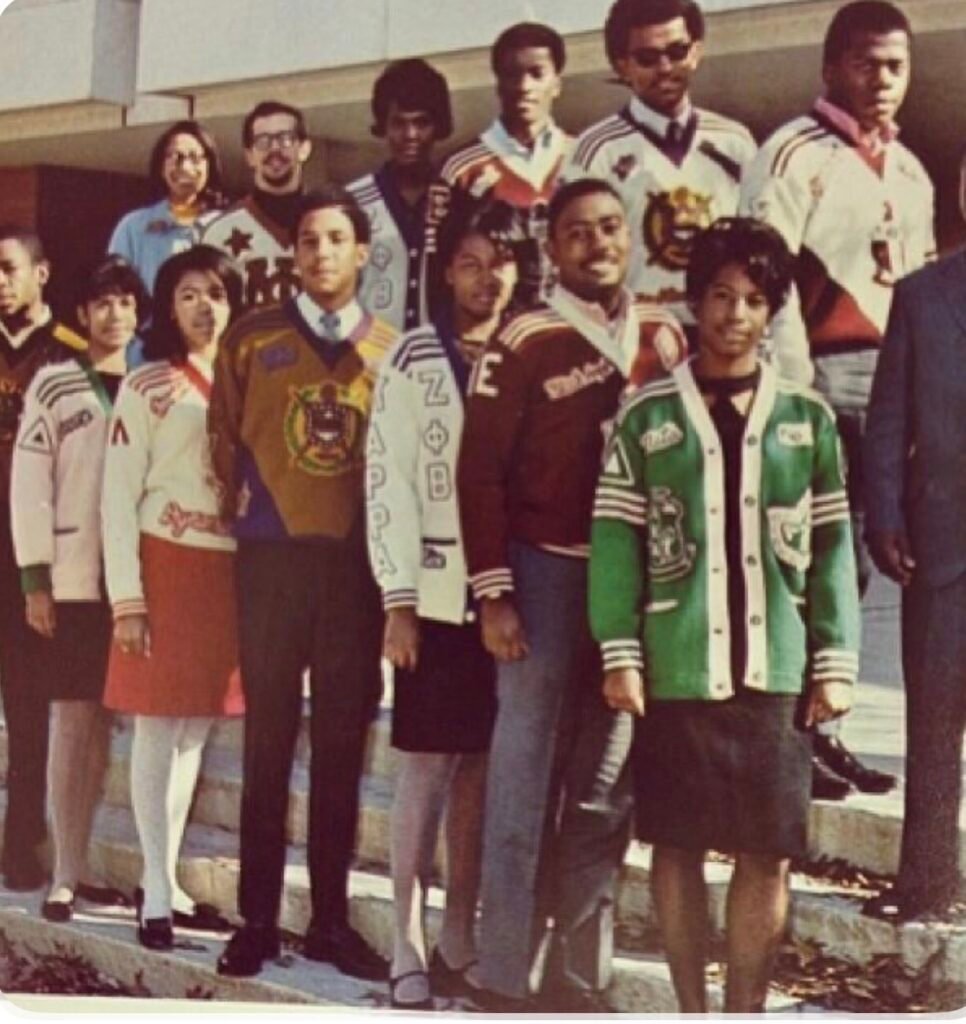
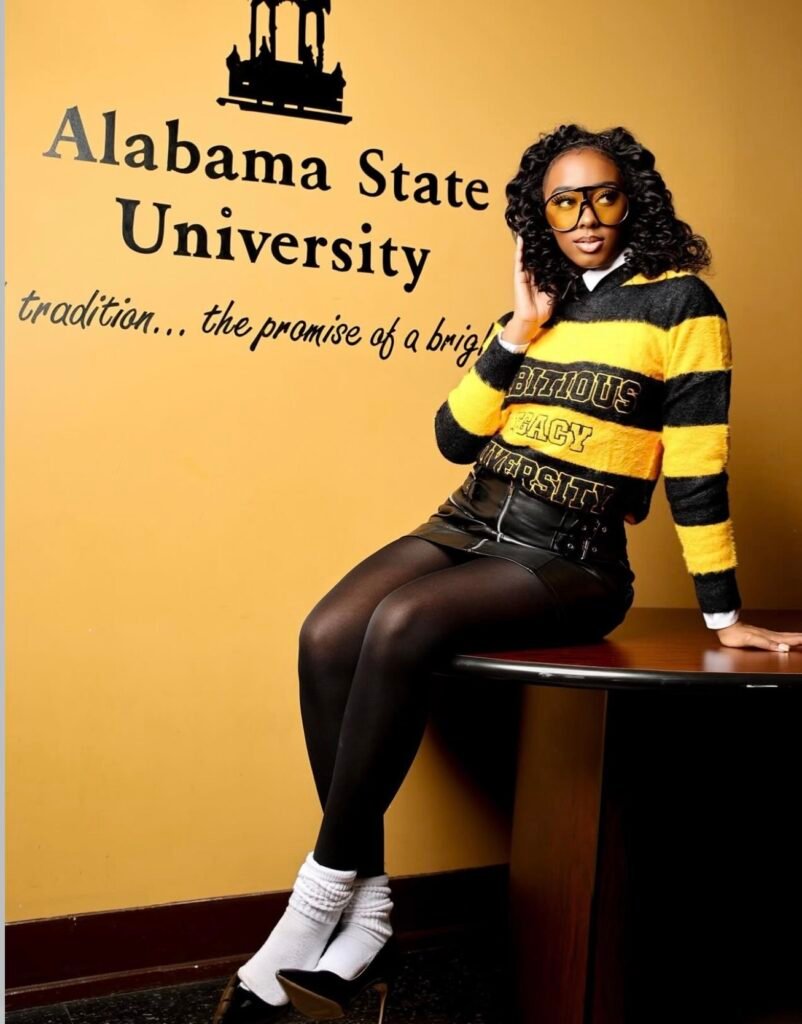
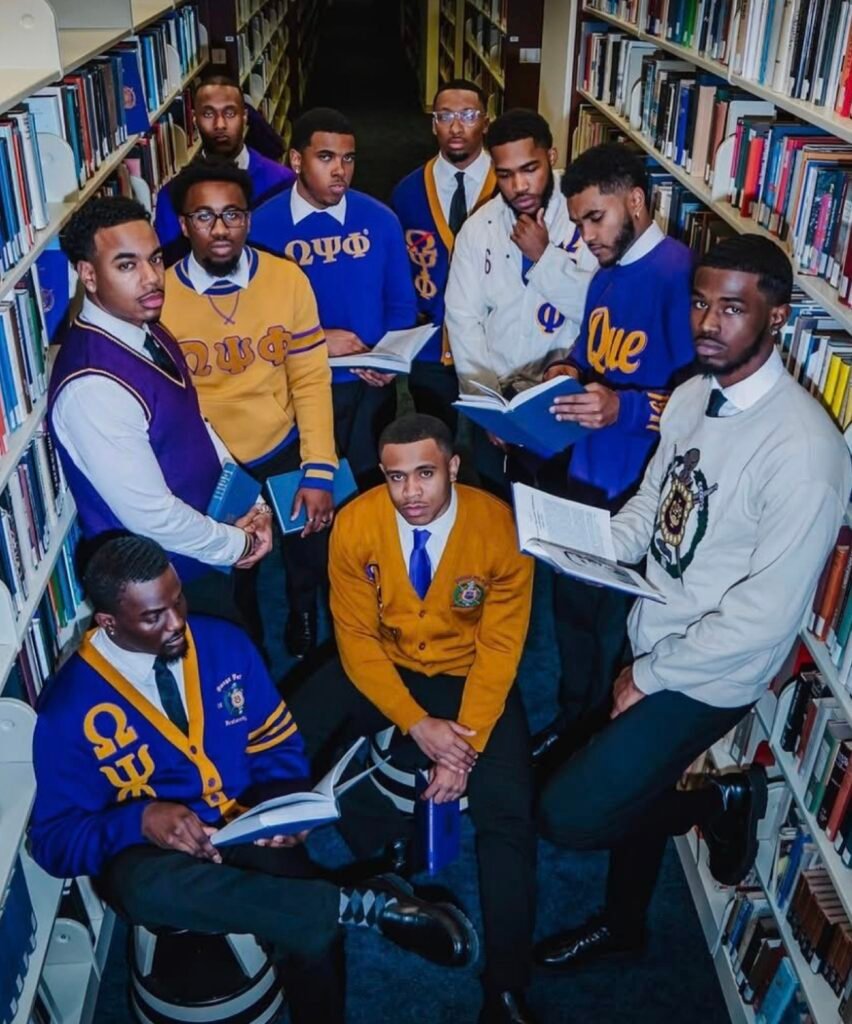
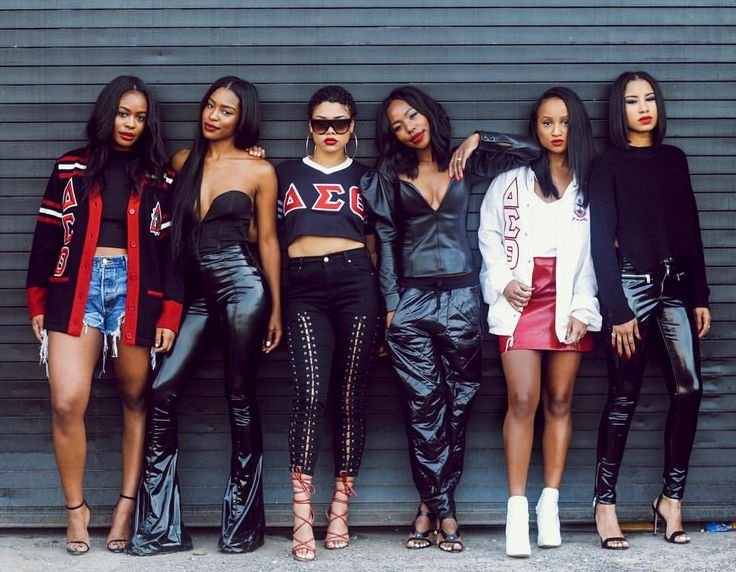
From these institutions came the Divine Nine. Beyond being pillars of service, scholarship, and social action, Black Greek letter organizations have long been cultural style leaders on the yard. Each organization holds its own color story, from royal purple and old gold to crimson and cream. Line jackets, sweaters, cargos, embroidered paraphernalia, and coordinated pieces have become cultural artifacts and style staples. Even stepping and strolling traditions carry a visual code, from boots to synchronized appearances. The Divine Nine have shaped, refined, and influenced Black collegiate style long before mainstream fashion began to imitate it.
HBCU Royalty and Coronations
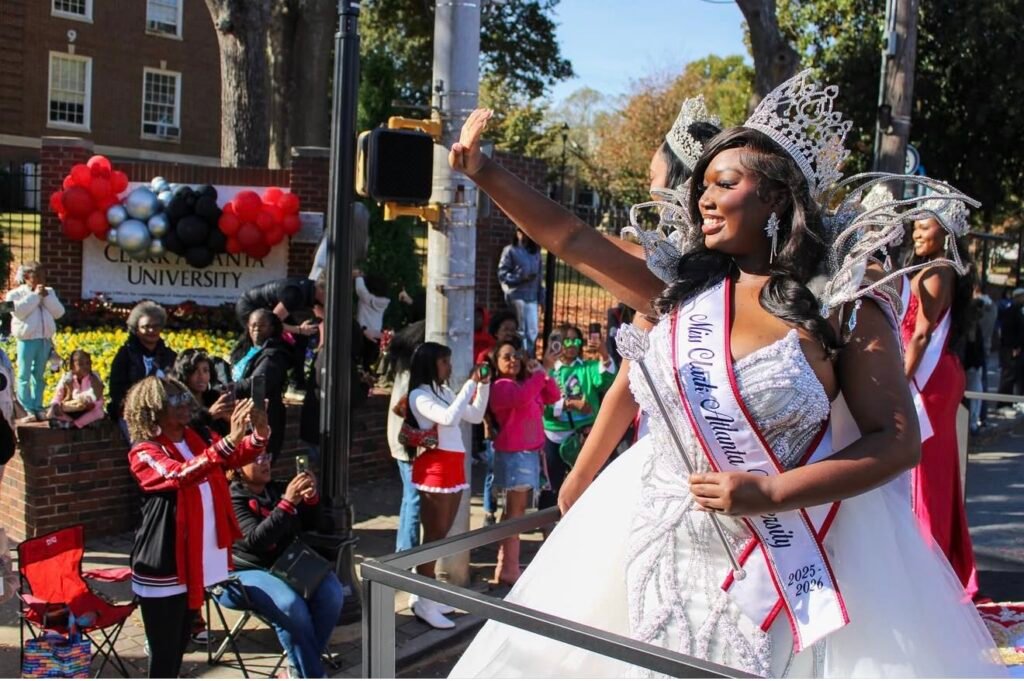
Right alongside them stands another cultural pillar: HBCU Royalty. Coronations are not just events; they are ceremonies grounded in legacy, pride, and excellence. Miss and Mister represent far more than titles. They embody elegance, leadership, and aspiration dating back decades.
Coronations exist at the intersection of fashion through gowns, tuxedos, crowns, and custom looks; performance through presentations and poise; history through traditions that have lasted generations; and community through students electing leaders who genuinely represent them. Coronation courts often become the first major stylistic authority on campus. The gowns are intentional. The suits are tailored. The hair and makeup follow a visual lineage passed down from previous courts. They set trends. They set tone.
Their influence moves into the Homecoming season where courts appear at events styled with precision, becoming an aesthetic North Star for campus pageantry. Coronation fashion embodies Black royalty, not imagined but lived. These ceremonies remind us that Black style is not simply expressive—it is sovereign.
Style as Lifestyle
At an HBCU, fashion is woven into lifestyle. Students show up for their education, but in those years, they also learn to show up as themselves. Many learn how to be audacious, expressive, and ambitious through the very act of getting dressed.
Students return to campus with outfits planned weeks in advance. Alumni pack like they are preparing for a street style editorial. Style becomes a ritual of respect because at an HBCU, the way you dress is the way you are addressed.
Many campuses, especially schools of business, host Well Dressed Wednesdays, where professional attire is expected as part of the curriculum. Students learn early that appearance and preparation work hand in hand. By graduation, students leave with a degree and also with a personal style that carries them into every room they enter.
Fashion Education in the Culture
The influence of HBCU fashion is not only cultural, but educational. Campuses such as Clark Atlanta University, Delaware State University, Howard University, Bowie State University, and North Carolina A and T offer fashion programs that shape the next generation of Black creatives. They cultivate designers, merchandisers, stylists, editors, and brand strategists whose work is grounded in lived experience. That grounding makes the industry richer, more honest, and more reflective of the communities that shape it.
Homecoming: The Super Bowl of Style
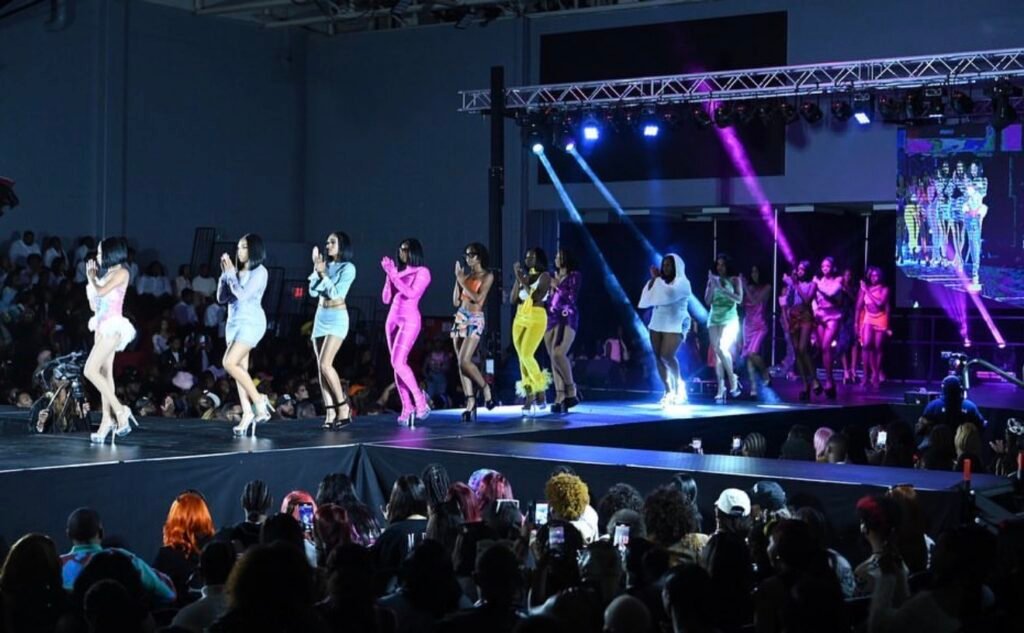
Homecoming itself is a cultural production. Fashion shows, yard shows, step shows, tailgates, galas, and royal events shape the week. Howard University’s homecoming fashion show is legendary, with partnerships that have included industry icons like Misa Hylton and former student Kelsey Ashley. Clark Atlanta University’s show is the heartbeat of the week. With rappers, bold style categories, and stylists who return annually to pour into students, the show feels like both a celebration and a masterclass.
These productions are visual archives. Student designers, stylists, and models come together to tell stories about Black identity, Black futures, and Black imagination. Homecoming becomes a runway for generational talent.
Then comes the full scale of Homecoming, the Super Bowl of Black fashion. Alumni arrive with curated looks planned months in advance. Students step out with outfits that feel like statements. Vendors and designers release exclusive merch and collections. Tailgates and concerts transform into runways. The yard becomes a study in Black joy, Black beauty, Black luxury, and Black storytelling.
Homecoming is not just a week. It is a living fashion archive. And in today’s world, its influence reaches beyond the yard, from brand collaborations to foundations like Harlem Fashion Row honoring Black creatives who were shaped by HBCUs.
HBCUs do not just influence Black style. They define it. The fashion, the culture, the pageantry, the legacy, the innovation all begin on those campuses. When you see trends in media, music, streetwear, or luxury fashion, you are often seeing the echo of someone shaped by the HBCU experience, someone who learned early how to show up, be seen, and be proud in a space built for them.
Homecoming is the annual reminder that Black style is not created in boardrooms. It is created in community. And HBCUs have always been the blueprint. HBCU homecoming fashion does not just define Black style. It documents it. It protects it. And it propels it into the future.