
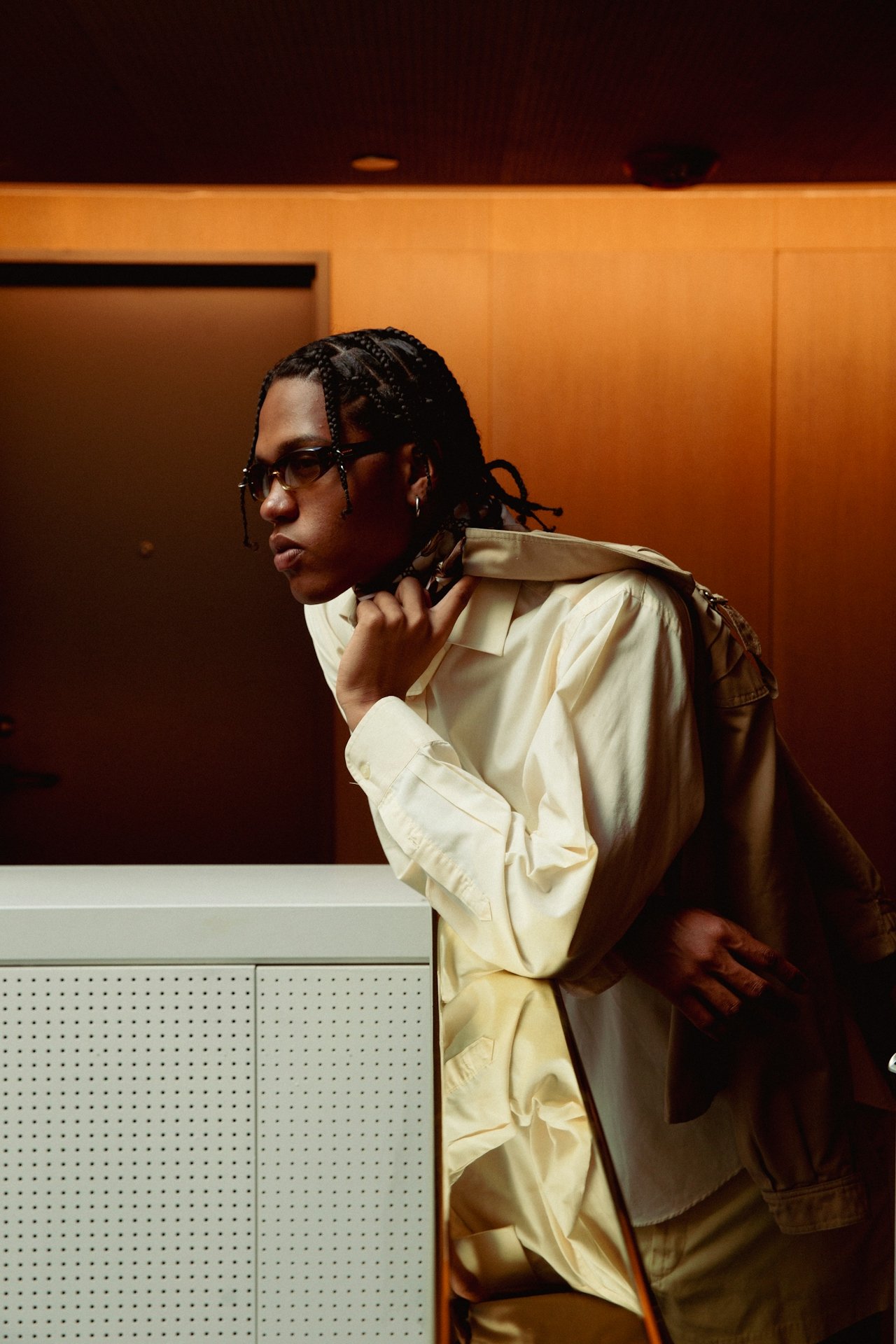
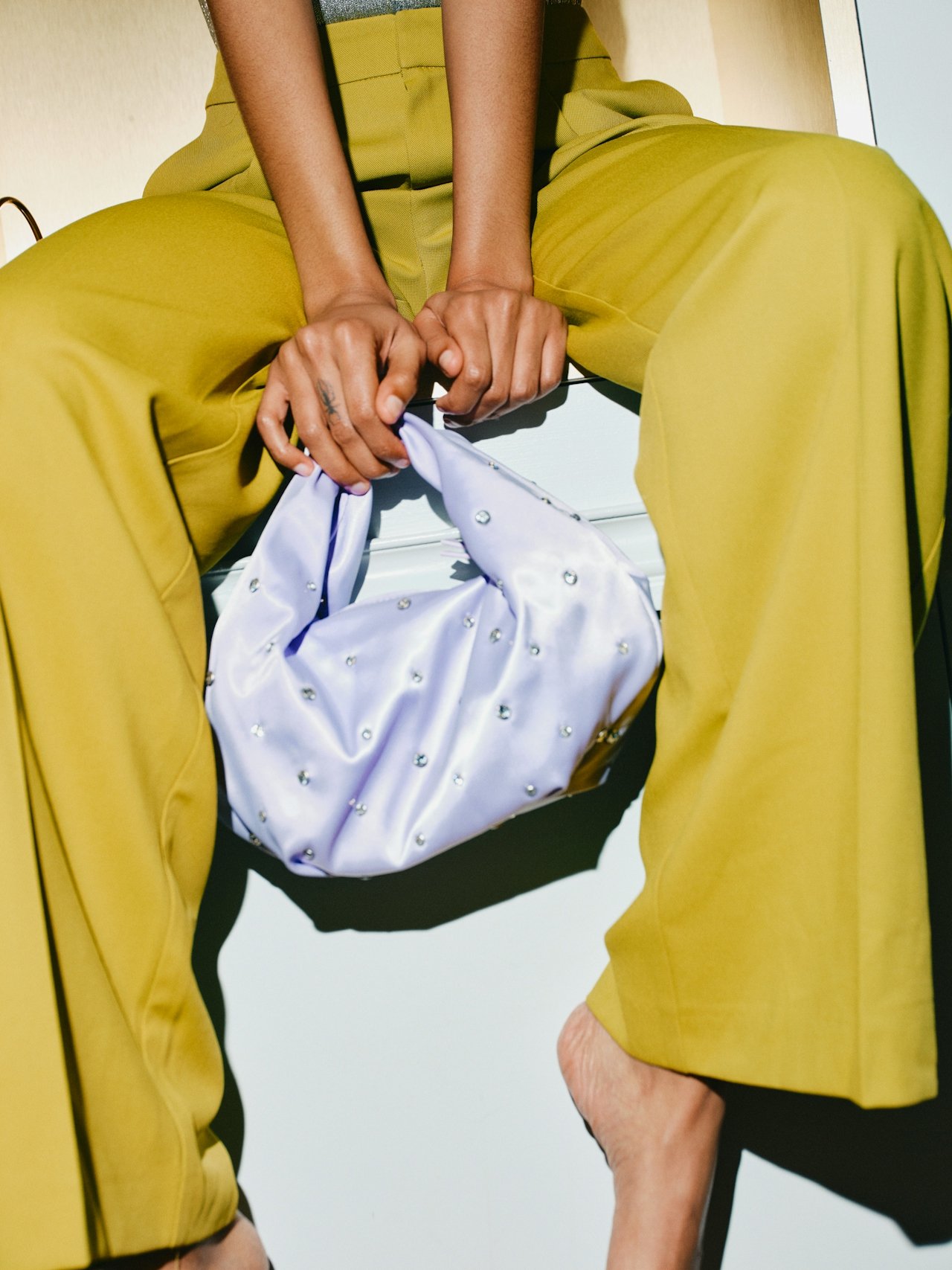
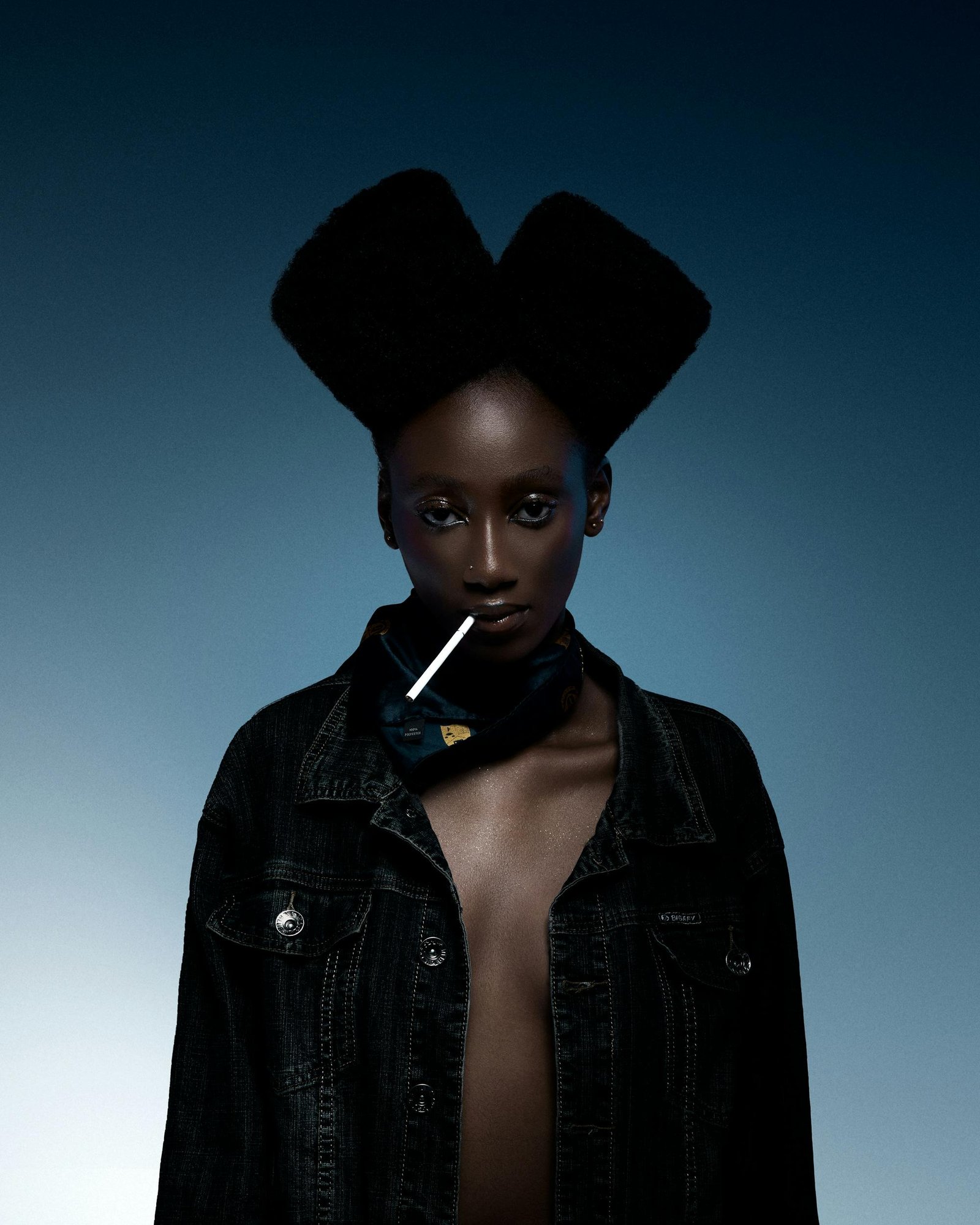
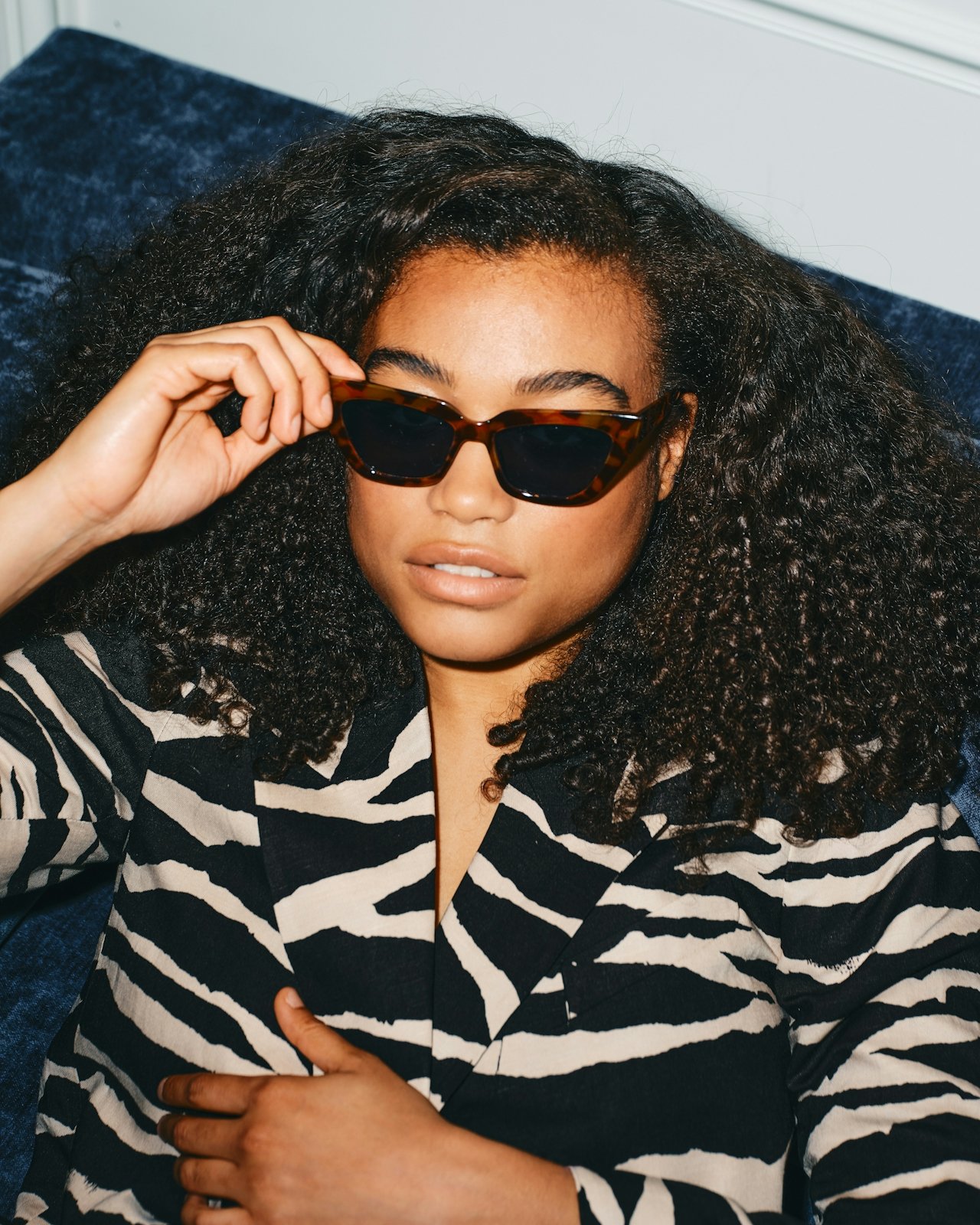


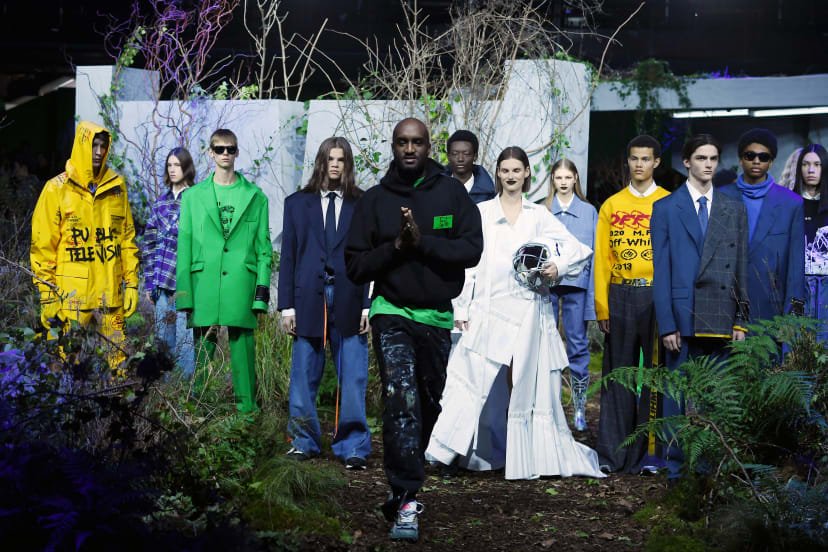
From the sidewalks of Harlem to the studios of Atlanta, Black culture has repeatedly generated the aesthetic codes that define global style. Streetwear silhouettes, sneaker culture, logomania, oversized tailoring, and hairstyles have all become high-fashion statements. The rhythm of fashion culture still beats to a tempo set decades ago by Black communities. Yet ownership, profit, and recognition rarely follow the originators.
This is the enduring cycle of cultural appropriation in fashion. Black culture creates the blueprint. Mainstream fashion commodifies it. The originators are left out of the wealth.
From the Block to the Boardroom
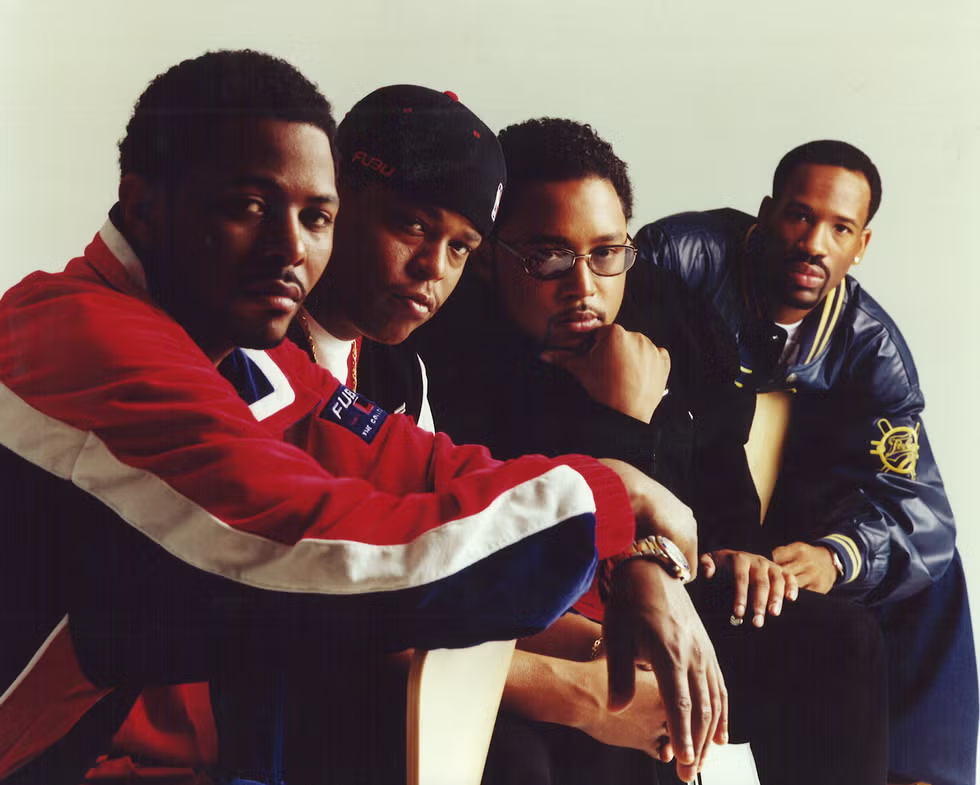
Consider streetwear. Born from the fusion of hip-hop, skate culture, and Black urban style in the 1980s and ’90s, it was never just about clothes. It was about survival, visibility, and coded expression. Brands like FUBU, which stands for “For Us, By Us,” emerged as a corrective to exclusion, asserting ownership in an industry that largely ignored Black designers.
Today, the global streetwear market is worth billions, dominated by luxury conglomerates and legacy European houses. The aesthetic is celebrated, but the creators are disregarded. Even when Black designers break through, they are framed as disrupters rather than inheritors of a long lineage.
This pattern extends beyond fashion. In music, genres like Country and Rock & Roll were pioneered by Black artists before being overtaken. Once that shift happened, Black musicians were pushed out of spaces they helped build, a reality that still lingers.
Fashion mirrors this dynamic. A white celebrity adopts streetwear and is praised for a “signature style.” The inspiration is clear, but rarely acknowledged. The result is familiar. Black trends are repackaged as new, elevated, and profitable, often without credit.
“Every time American designers are brought up, they say the same four or five names: Donna Karan, Tommy Hilfiger, Ralph Lauren, Calvin Klein. They always omit Cross Colours and FUBU, as if these brands weren’t grossing a quarter-billion to over a billion dollars a year. They were never given credit for being as influential as they are.” – Kerby Jean-Raymond
The Aesthetic Without the Equity
Luxury fashion’s relationship with Black culture is cyclical. In one decade, cornrows are deemed “unprofessional.” In the next, they appear on Paris runways as avant-garde statements. Oversized silhouettes once coded as “urban” become minimalist chic. Sneaker culture, once dismissed as juvenile, becomes collectible art.
Take the global dominance of the sneaker. What began as an athletic necessity became cultural currency through basketball and hip-hop, industries shaped by Black talent. The mythology of Air Jordans is inseparable from Michael Jordan. Sneaker drops mirror the energy of mixtape releases. Yet the corporate power structures behind these brands rarely reflect the communities that made them iconic.
The pattern is not new. In the 1990s, luxury brands aggressively litigated Harlem designer Dapper Dan for remixing their logos into custom pieces for rappers and athletes. Decades later, those same brands adopted his aesthetic language and collaborated with him after public backlash exposed the hypocrisy. The message was clear. Appropriation becomes innovation when the power structure approves it.
Digital Culture, Same Playbook
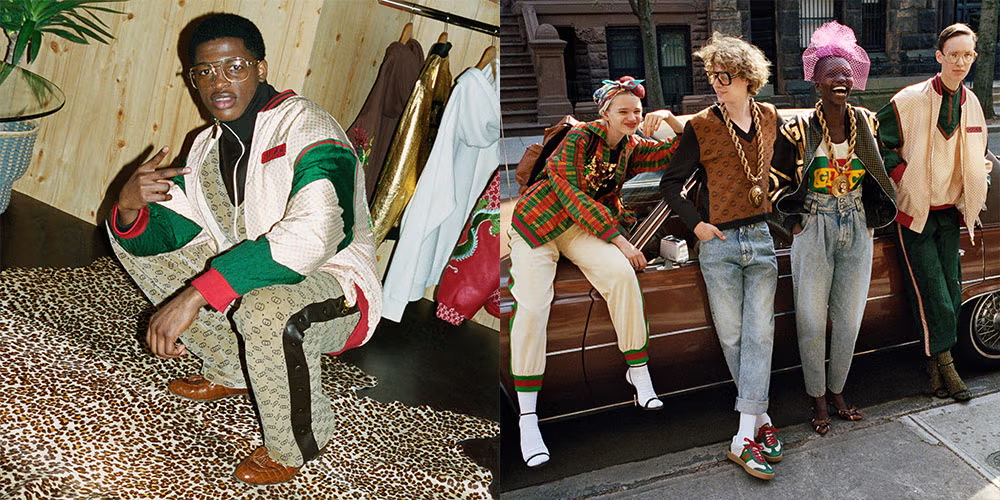
In today’s fashion culture, social media accelerates the cycle. Trends born on Black TikTok are boosted, repackaged by influencers with broader mainstream appeal, and monetized by fast fashion retailers within weeks.
Viral trends, from Y2K revivals to “clean girl” minimalism, often have roots in Black and Brown subcultures that predate their rebranding. But visibility without ownership is hollow. Going viral does not guarantee equity. It rarely guarantees attribution.
Black designers continue to innovate, from sustainable streetwear to high-tech garments, yet funding disparities persist. Venture capital flows disproportionately toward white creatives. Creative directors are celebrated, but founders and manufacturers in Black communities still struggle for infrastructure support.
The Power of Naming the Pattern
Appropriation becomes exploitative when power, profit, and platform move in one direction. Black creativity thrives because it has always been adaptive, remixing limited resources into cultural abundance. Protective hairstyles double as sculpture, street corners become runways, bootlegs become luxury commentary. But resilience should not be mistaken for consent.
Collaborations between legacy houses and Black designers signal progress, but collaboration is not structural change. True equity means investment, ownership stakes, supply chain inclusion, and decision-making power. It means recognizing Black communities are not merely trend incubators, but industry architects.
Rewriting the Future of Streetwear Ownership
The future of fashion depends on more than aesthetic diversity. It requires economic redistribution. That means amplifying Black-owned brands beyond moments of crisis-driven solidarity. It means retailers committing to long-term shelf space. It means venture capital funding Black founders at proportional rates. It means fashion media crediting originators, not just adopters.
It also requires consumers to ask harder questions. Who designed this? Who profits from it? Who is missing from the boardroom?
Black creativity will continue to shape global style. It always has. The question is whether the industry can break its extractive habits and build systems where influence and ownership align.
“God created Black people, and Black people created style.” – George C. Wolfe
Because the blueprint has never been the problem. The problem is who gets to own the building.