



*this article was conducted through independent research and personal accounts/experiences/insights from AK Brown, with additional insights and editorial support provided by ChatGPT, an ai language model by Open AI.
When it comes to fashion, St. Louis has a story worth telling—but who’s being left out of the narrative? Despite the vibrant talent among the city’s Black designers, stylists, students, and entrepreneurs, the numbers paint a troubling picture. Nationally, Black creatives represent only 7% of the fashion industry, and within St. Louis, the struggle for visibility, sustainability, and meaningful representation remains starkly evident.
Between 2017 and 2022, St. Louis saw a troubling decline of over 2,500 Black-owned businesses, according to the Brookings Institution, even as the national picture improved. This highlights a deeper issue: systemic neglect and insufficient investment in local Black entrepreneurs. Particularly within fashion, this lack of infrastructure and targeted support continues to stunt growth.
Organizations like the Saint Louis Fashion Fund, though well-funded and prominently positioned, have historically missed opportunities to authentically engage and support the Black fashion community. The result? Surface-level initiatives and occasional inclusion, rather than deep, lasting systemic change. Programs often lack meaningful input from Black creatives themselves, leading to disconnects between intention and impact.
However, accountability demands introspection as well. As the founder of FWRDSociety, formerly known as Black in St. Louis Fashion, I aimed to fill that critical gap—but ultimately, my own organization fell short of its vision. Despite good intentions, the nonprofit struggled due to insufficient long-term planning, inadequate infrastructure, limited funding streams, and the absence of sustainable programming beyond short-term events. While our passion was real, our approach lacked scalability, longevity, and strategic alignment with broader community needs. Eventually, these factors contributed to the difficult but necessary decision to close our doors.
This acknowledgment is crucial—because we cannot address systemic issues without confronting our own missed opportunities. But this reflection must also extend outward. Unfortunately, such introspection is rarely practiced within the broader St. Louis fashion community, where event-driven, short-term initiatives dominate the scene. Events designed for exclusivity, visibility, and transient impact, while well-intentioned, frequently exclude long-term community engagement. Influential individuals in fashion leadership positions often prioritize personal visibility and external recognition, rarely leveraging their platforms to genuinely uplift and invest in local Black talent. Educational institutions and design programs also frequently miss the mark—focusing curriculum and resources narrowly on traditional fashion industry standards without addressing specific challenges Black students and emerging designers face. The result is a fashion community fragmented by exclusivity, personal agendas, and short-lived projects.
Yet, amid these challenges, several bright spots offer hope and clarity. Saint Louis Black Fashion Week has consistently spotlighted Black talent, creativity, and culture, serving as a critical voice and valuable platform for Black designers and entrepreneurs. However, despite its importance, the event faces significant limitations, needing sustained funding and infrastructure to deliver year-round support. Similarly, emerging organizations like Blk Fashion STL (@blkfashionstl) represent fresh hope—but they too risk falling prey to familiar pitfalls without structured support and intentional community backing.
Addressing what we’ve termed “The 314 Dilemma” demands more than good intentions or occasional visibility—it requires confronting the internal fragmentation and acknowledging specific failures that have contributed to this cycle. In St. Louis, fashion events frequently prioritize exclusivity and visibility rather than genuine community empowerment. Many are innovative but ultimately fail to provide sustained mentorship, meaningful networking opportunities, or long-term investments into the Black fashion community. Influential figures in the local fashion scene often leverage their status and resources predominantly for personal visibility and external validation rather than directing their influence toward uplifting the broader community. Educational institutions and design programs, too, often perpetuate these problems, offering curriculums narrowly focused on traditional fashion industry pathways without intentional efforts to address unique cultural and professional barriers facing Black fashion students and graduates.
Even efforts with genuine intentions, including my own through FWRDSociety, have sometimes fallen short. Despite our passion, we lacked critical elements: stable funding, effective long-term planning, and scalable programming, leading ultimately to our organization’s closure. Similarly, while groups like Saint Louis Black Fashion Week have made significant contributions by highlighting and celebrating local Black designers annually, they still struggle with limited resources, preventing them from extending their impact year-round. Emerging collectives, such as Blk Fashion STL, show remarkable potential but risk facing the same barriers without intentional, structured community support.
The cumulative effect of these repeated missteps and systemic shortcomings creates persistent barriers, stifling growth and limiting opportunities for Black creatives to truly thrive within the local fashion industry. To break this cycle and truly transform the narrative, St. Louis must move beyond temporary events and fragmented initiatives to embrace a unified, sustained strategy—a Black Fashion Hub. This dedicated space would offer consistent mentorship, strategic funding access, collaborative workspace, educational resources, and a permanent media platform amplifying Black voices. Through collective, intentional action rooted in community accountability and mutual support, we can finally move beyond the limitations of the past and unlock the undeniable potential of the future. The next chapter of St. Louis fashion isn’t just promising—it’s powerfully Black. It’s time we act accordingly.
About The Writer
[simple-author-box]
Share this post
NEWEST READS
The #314 Dilemma: Why St. Louis’ Fashion Industry Needs More Than A Moment – It Needs A Movement
Brigethia Arai Is Reclaiming the Narrative—And Building a Legacy While She’s At It
How Rich Rocket Turned Self-Expression Into a Thriving Creative Career
5 Black-Owned Brands Defining 2025 Fashion Trends
Because….Why?: Diddy Announces (From Prison) Sean John x Yeezy Collab With Kanye West
WATCH A.TV
WATCH A.TV
POPULAR READS
Reimagining Divinity Through Couture
Our Favorite Looks From The Academy Museum Gala
According to ChatGPT: Corporate Fashion Severely Lacks Diversity – Still
Mcdonald’s Partners With Elaine Welteroth For Black & Positively Golden Change Of Fashion Program
Our Favorite Black Fashion Influencers Of The Week Vol. 3
LISTEN
Latest Epsiode: Bonus Episode
ADVISOR. RECOMMENDS
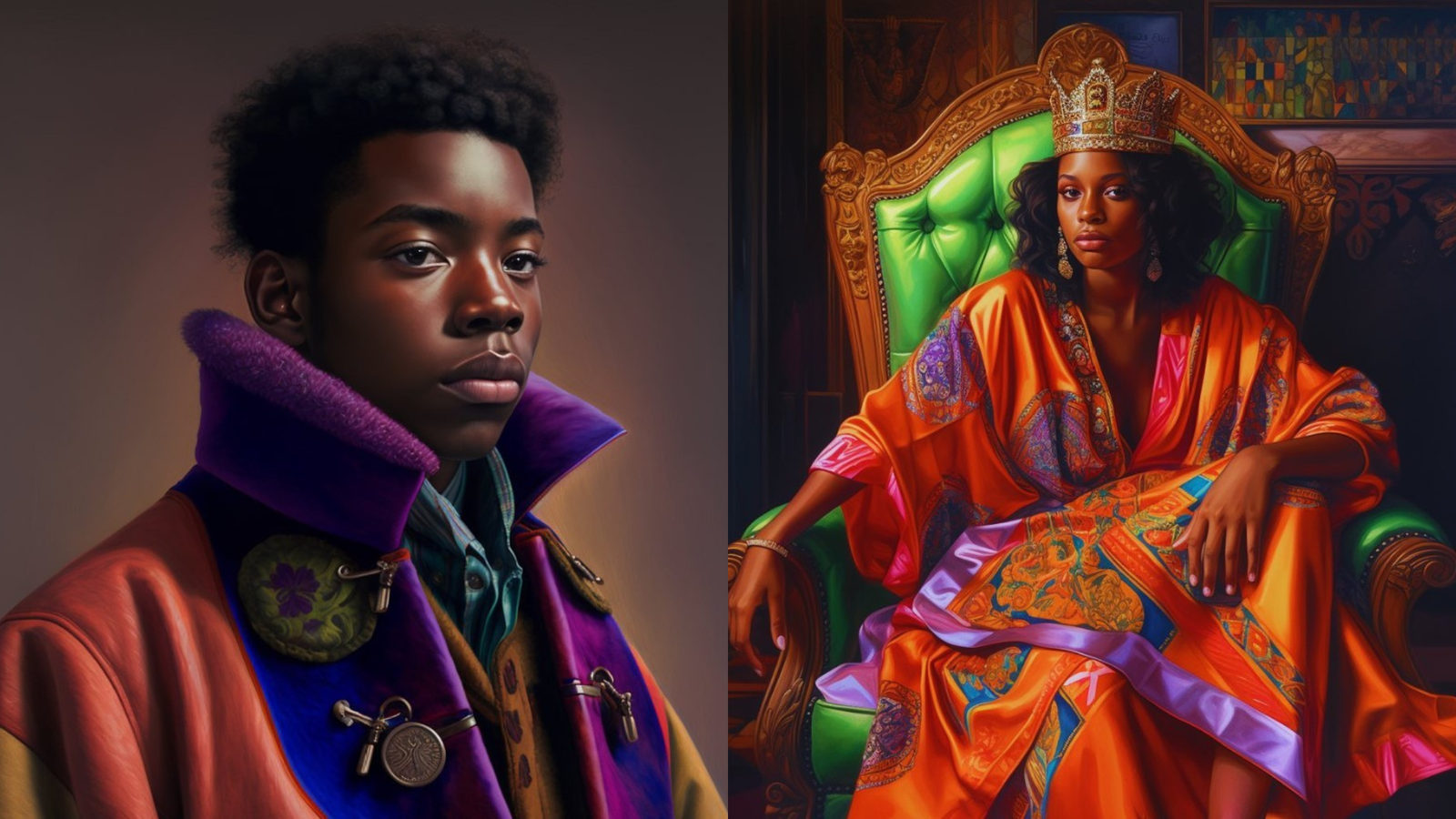
Reimagining Divinity Through Couture
Interviews Teddy Phillips redefines spirituality and style by transforming bib- lical figures into high-fashion icons, weaving Black culture, luxury couture, and divine narratives into a Read More
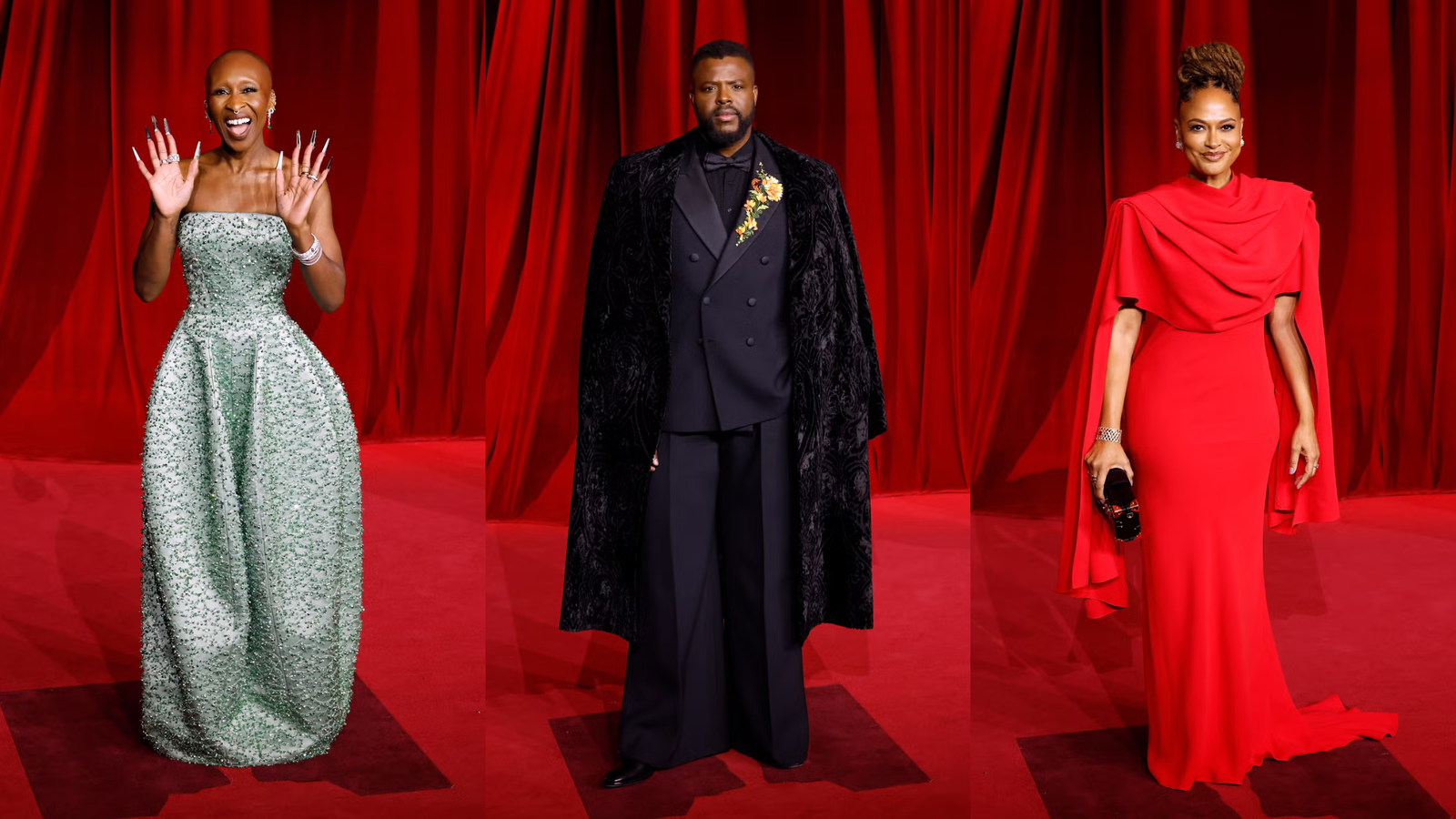
Our Favorite Looks From The Academy Museum Gala