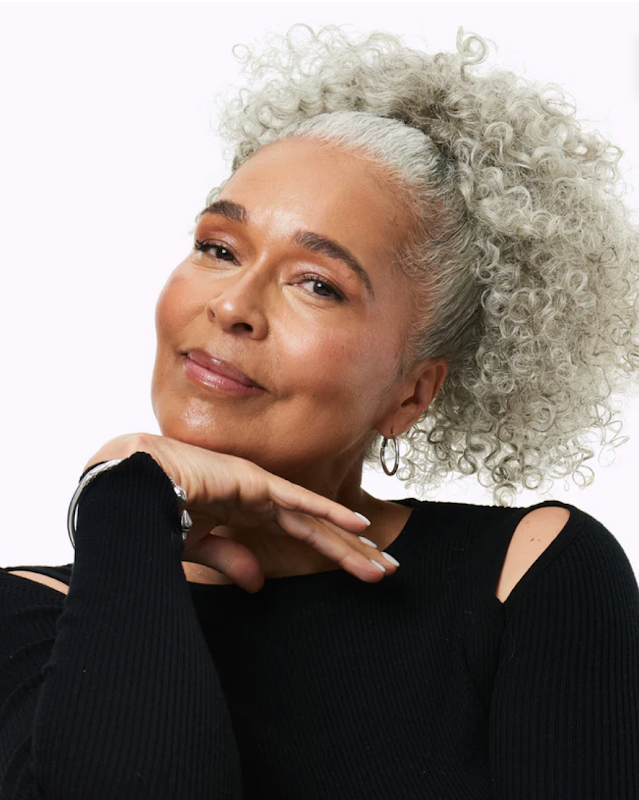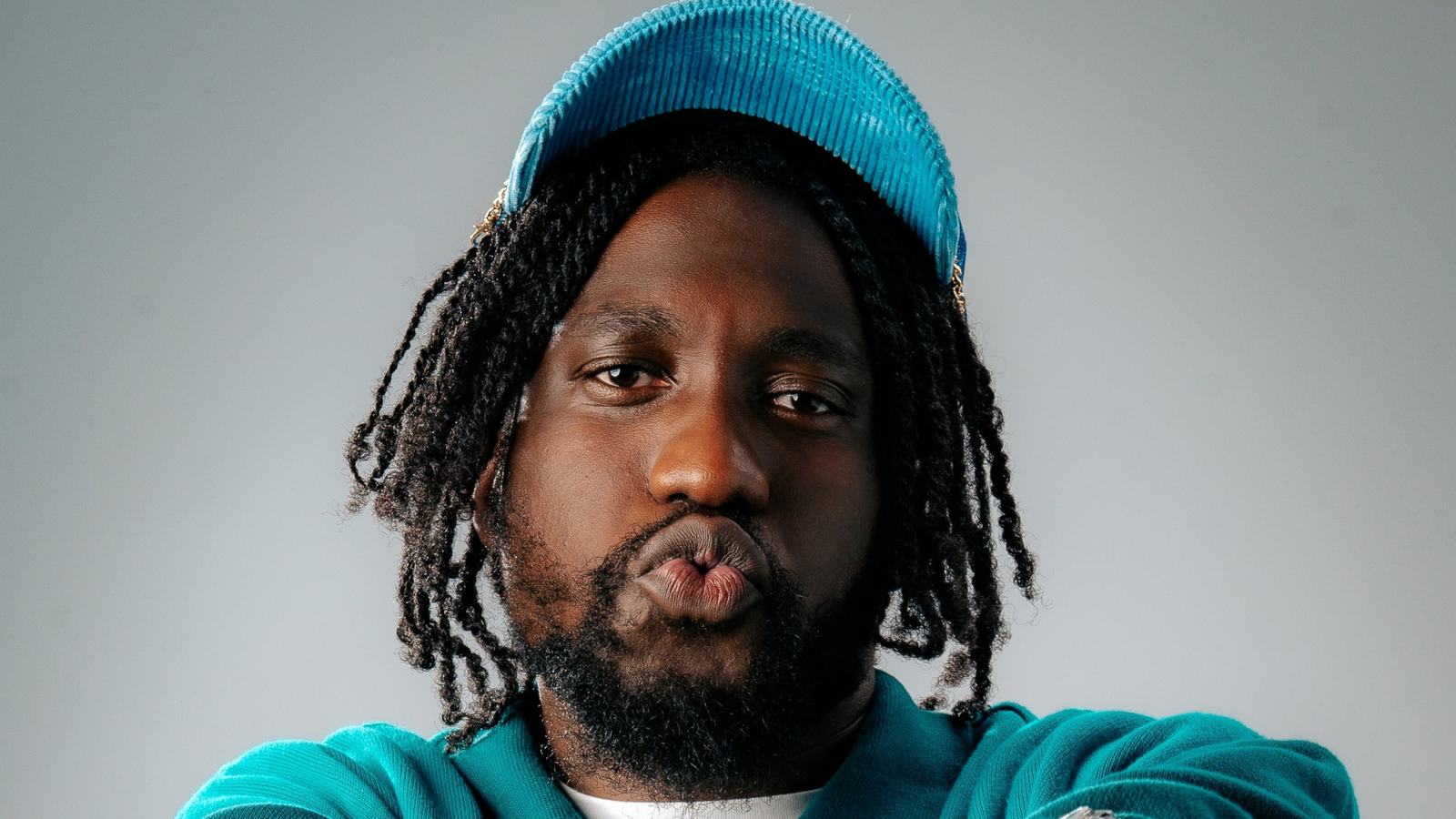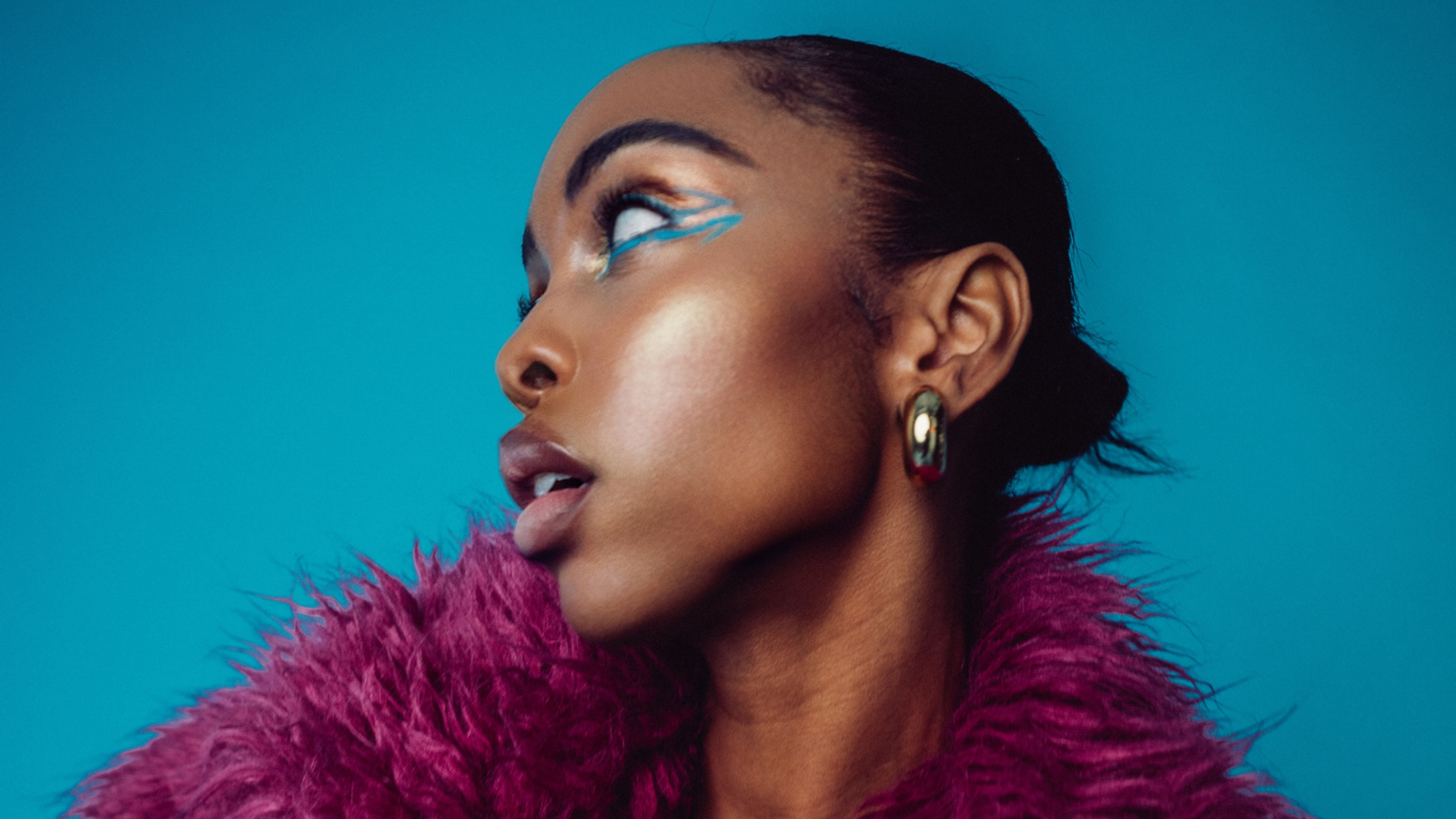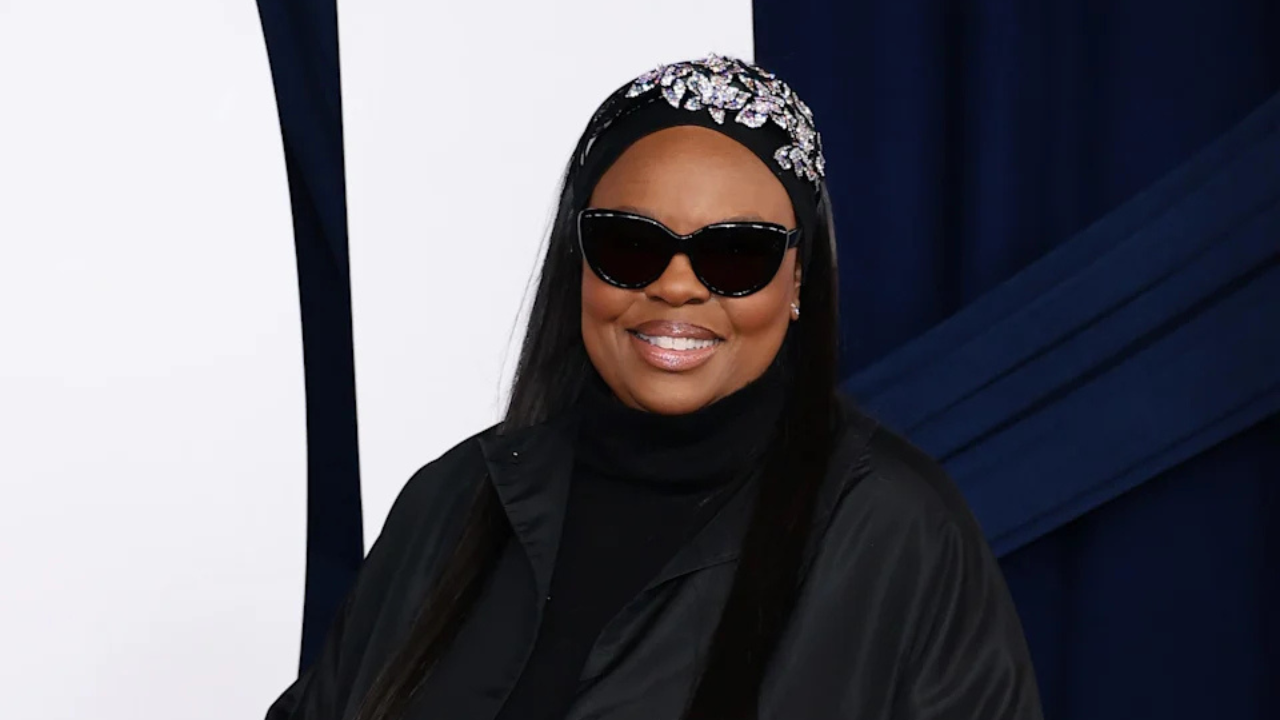

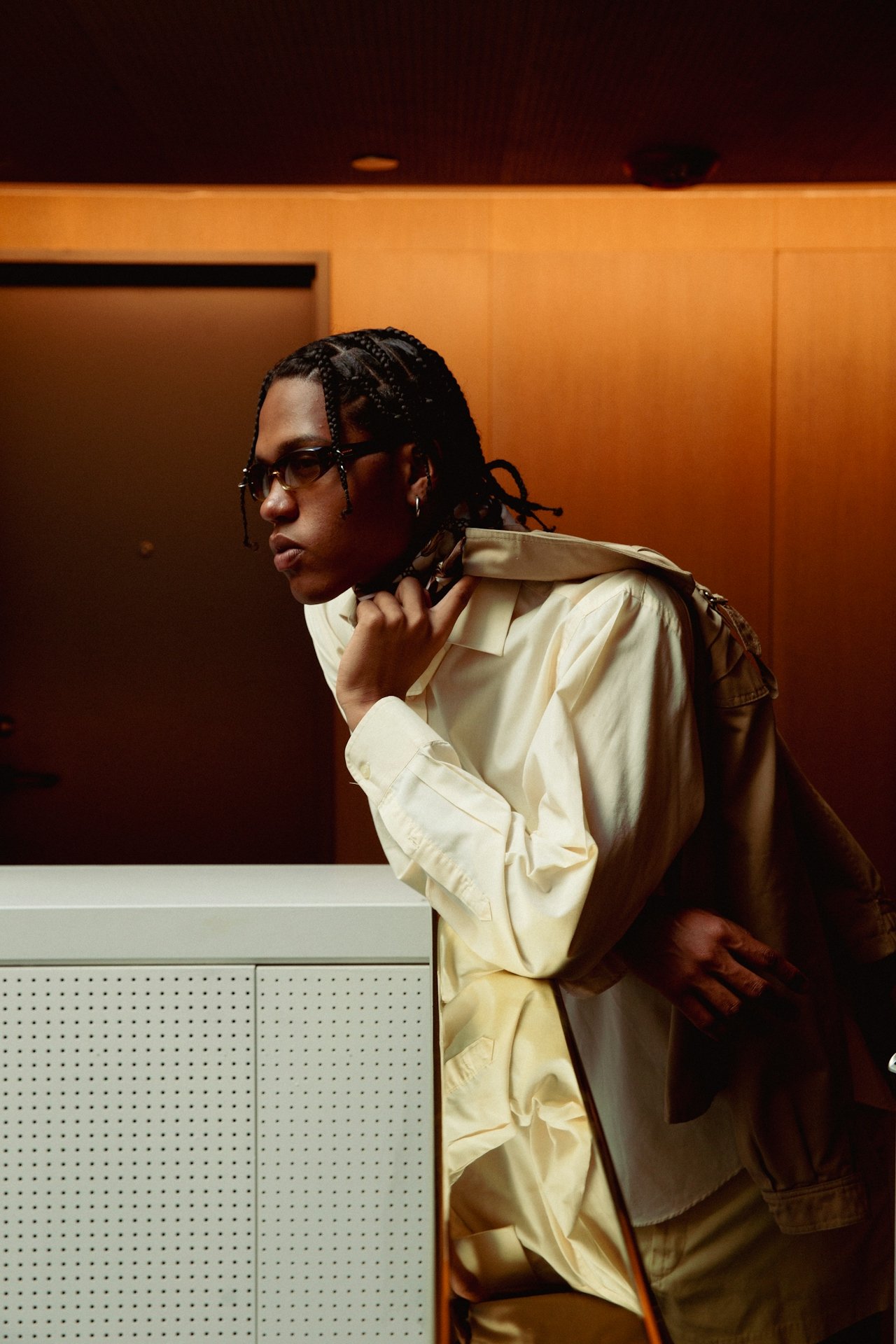
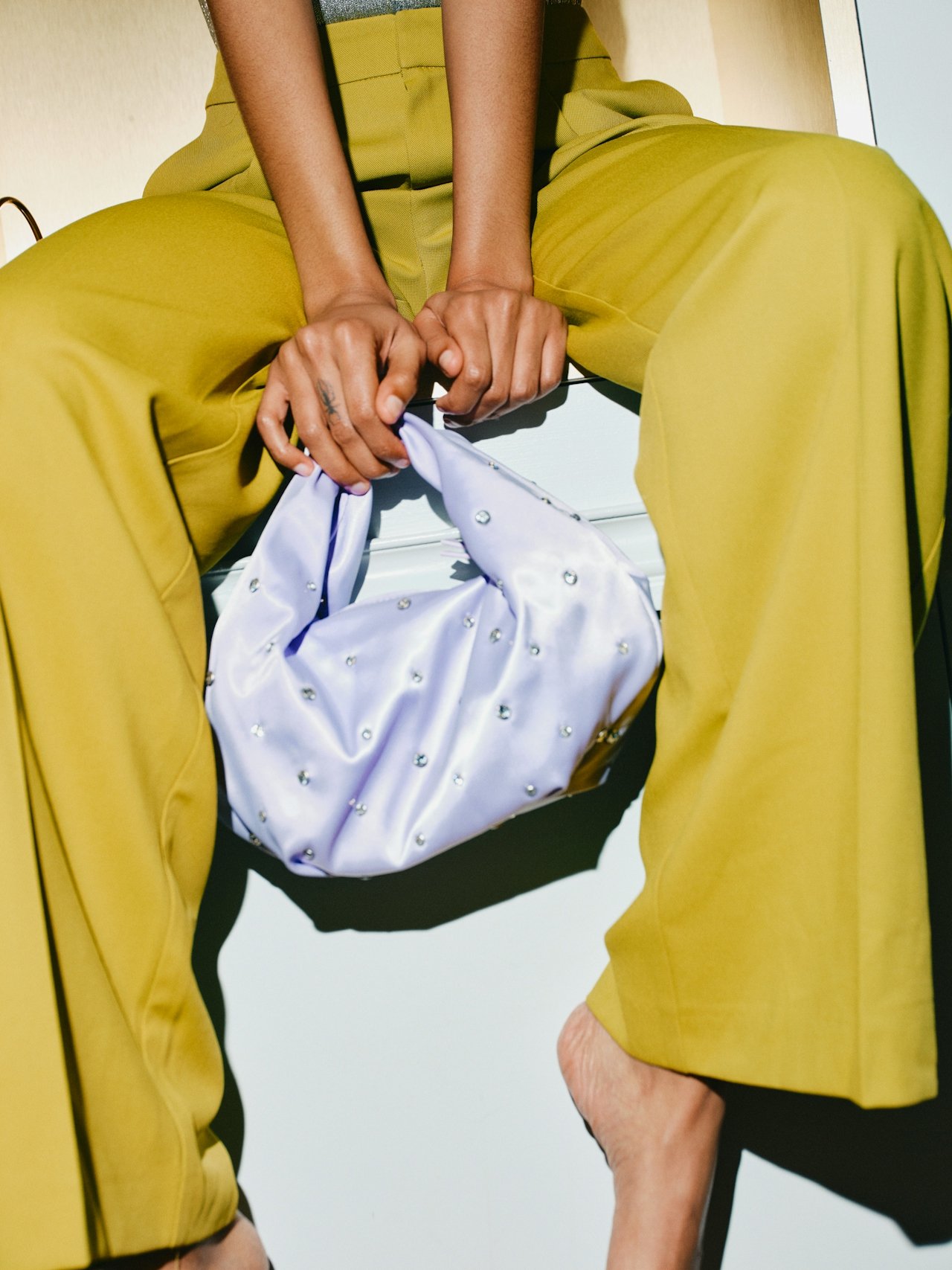
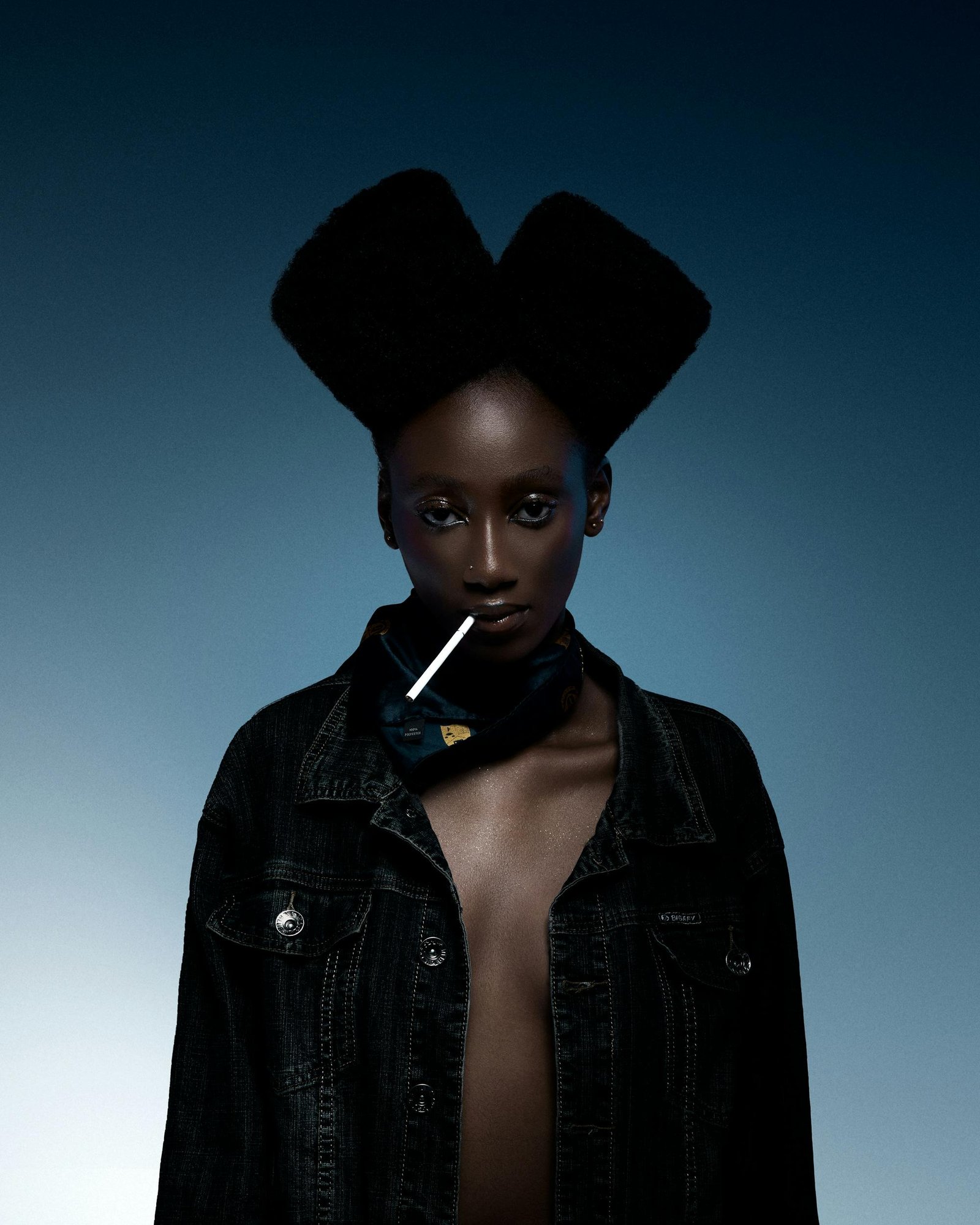
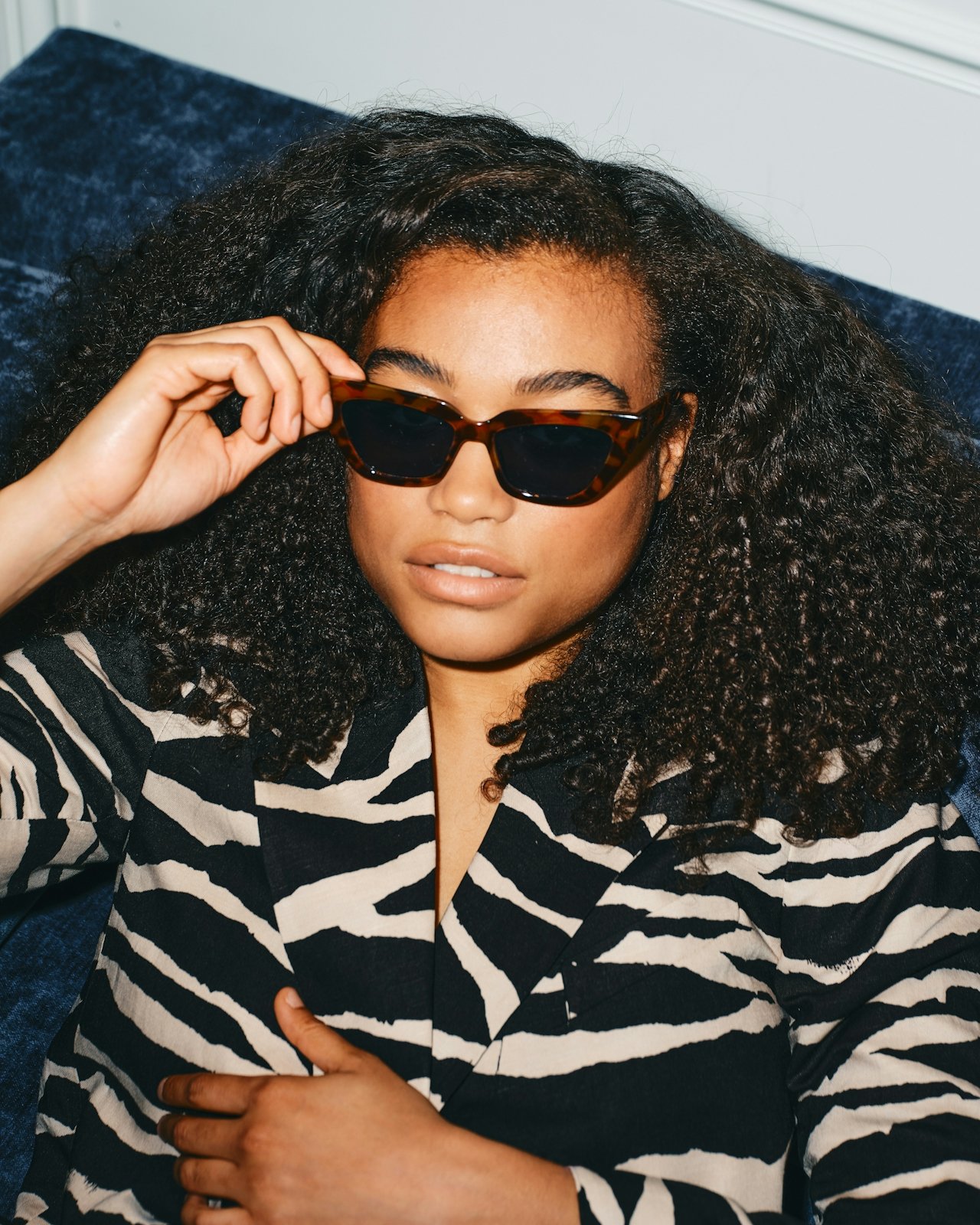



Every February, the fashion industry rolls out a curated celebration of Blackness. Campaigns spotlight Black designers, editorials showcase Black models, and Instagram profile pictures are switched to the Black Power salute. These moments, while seemingly progressive and inclusive, are more performative than they are genuine. As time moves forward and the weeks pass, the Black creators who were previously celebrated are eventually forgotten.
Temporary visibility has become the industry’s main form of acknowledgement. Black creatives are featured in campaigns and invited to events, but sustainable progress rarely follows these gestures. The disappointing truth is that the fashion world enjoys showing off Black creativity, particularly when it’s trending, but fails to truly show up for Black creatives.
Blackness becomes a marketing tactic, especially during famous Black holidays like Juneteenth and MLK Day. Brands will scramble to amplify Black voices when it’s convenient for them or to avoid critique, and once the trend dies down, they gradually revert to their original content. Take major corporations like Target, for example. Every Black History Month, their shelves are stocked with “Black Queen” t-shirts and Black designers’ pieces, but once the month ends, that merchandise disappears. On top of that, Target was one of the first corporations to roll back on its DEI initiatives the minute the law was passed, and has decided to stop prioritizing Black-owned brands. This proved that any support they gave the Black community was completely performative and strictly for profit, and consumers were livid.
Adidas faced backlash in 2019 when they posted a picture of their new sneaker for their Black History Month campaign. They claimed to be “celebrating Black culture” but failed to incorporate any Black culture into their design. Adidas felt that creating a bland, all-white shoe was appropriate for a Black History Month launch. After facing extreme criticism, they decided to cancel the release of the shoe. Not only did this “design” prove how little they cared about “celebrating Black culture”, it also made it clear that there wasn’t a single Black creative in the room when the shoe was designed. How can you claim to respect and support Black culture, but not have any Black designers or executives in the boardroom?
While several companies have dropped the ball when it comes to supporting black creatives, there are a few brands that get it right. Tommy Hilfiger, known for its classic American style, launched the People’s Place Program to increase BIPOC representation in fashion through funding, internships, and strategic partnerships. The initiative is focused on breaking down industry barriers and creating pathways to leadership for underrepresented creatives.
Luxury brand Brother Veillies, founded by Aurora James, spearheaded the Fifteen Percent Pledge, a nonprofit organization urging major retailers to commit 15% of their shelf space to Black-owned businesses. Since its launch in 2020, the pledge has partnered with over 30 major corporations–including Macy’s, Ulta Beauty, and Nordstrom–and is working toward increasing Black business representation by 14.6% by 2030.
When you are valued, you and your work are respected and credited at all times. Black creatives are tired of being used as a hashtag or as a social media engagement boost. It’s time that the fashion industry learns how to value Black creatives, instead of doing the bare minimum to appease them.