

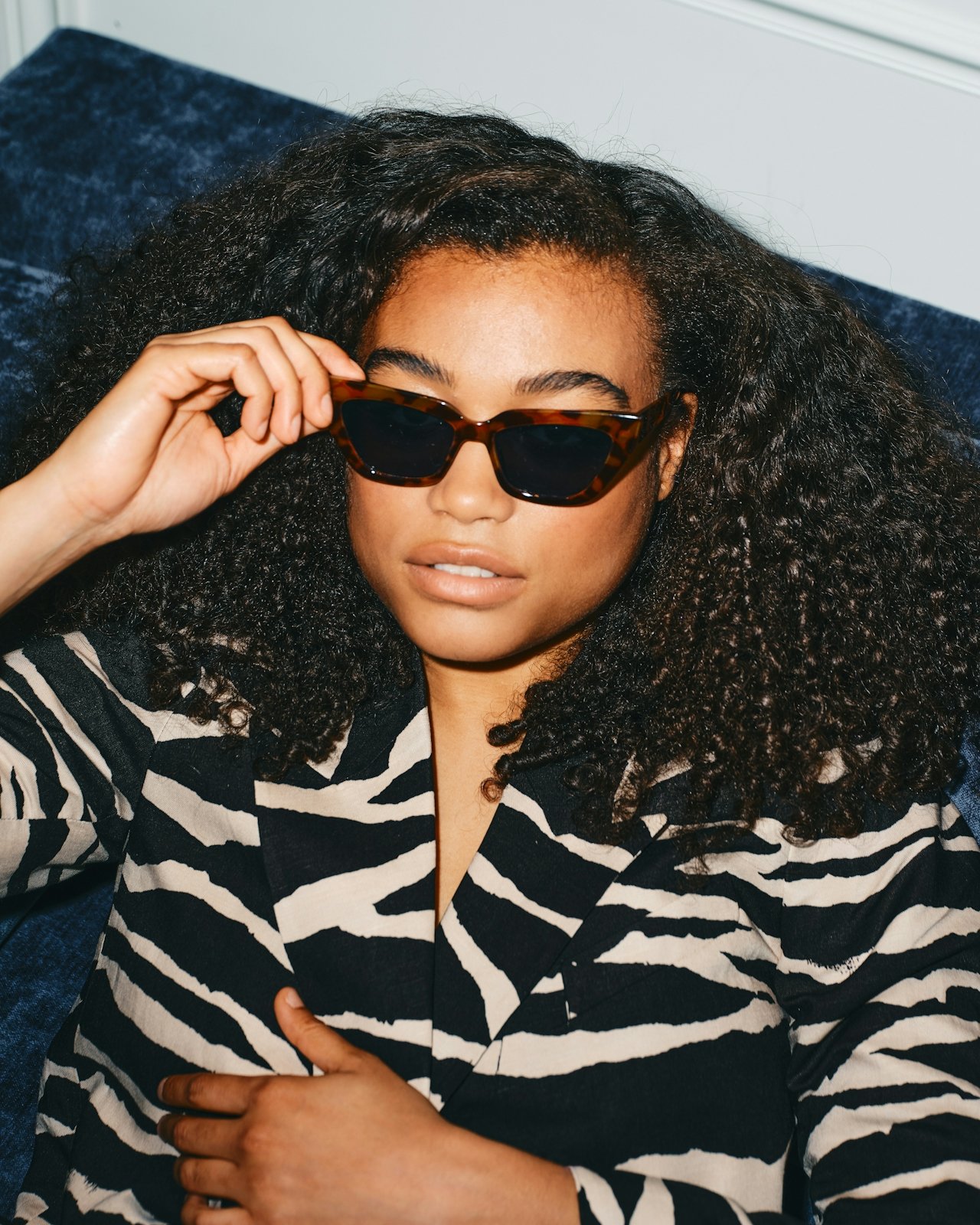


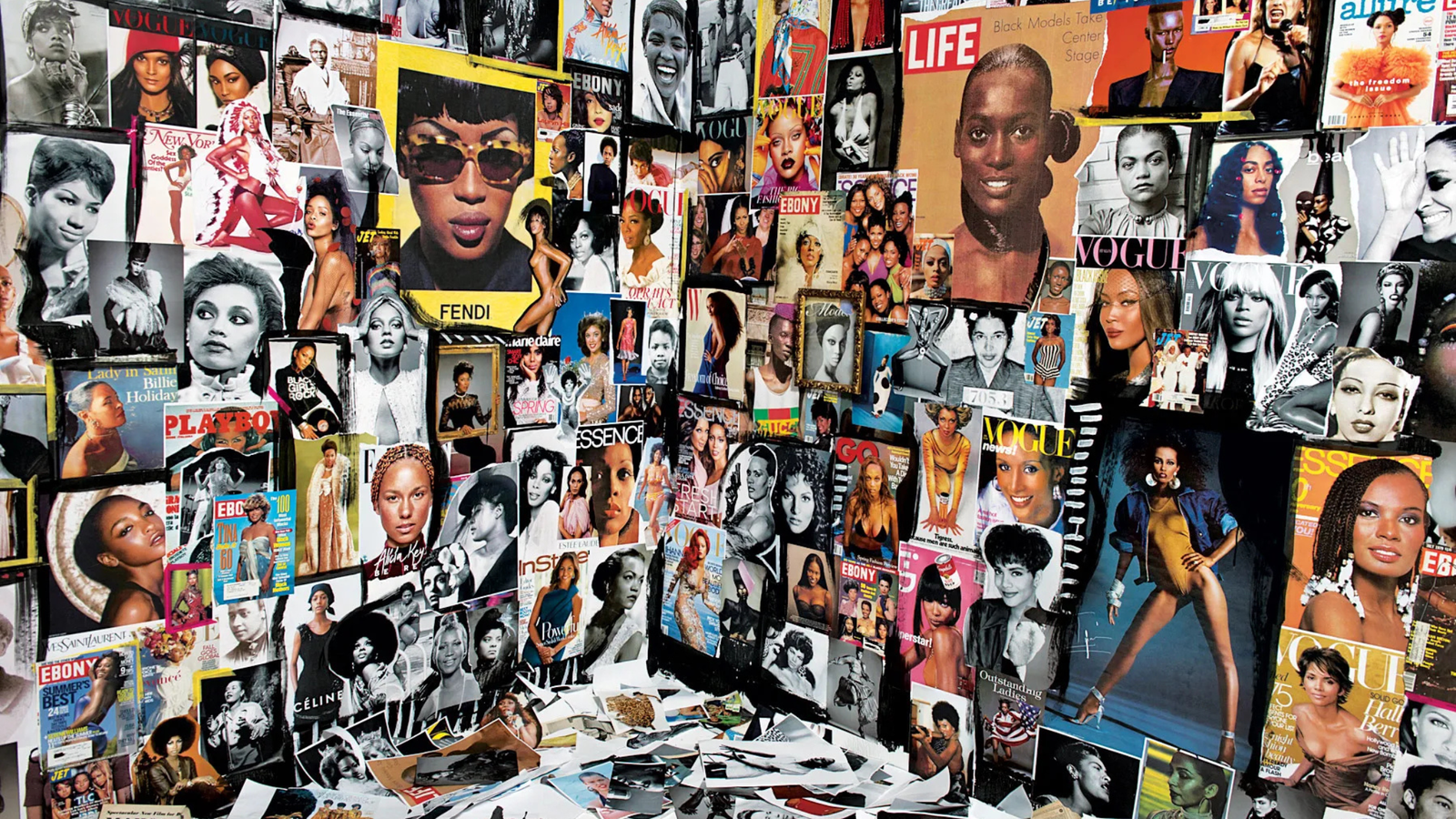
When most people envision a career in fashion, they picture a designer hunched over a desk, sketching late into the night. They imagine someone lugging giant rolls of fabric through stores, then returning to a studio cluttered with mannequins. While design is an incredibly important role within the fashion industry, it is far from the only career path available.
Fashion is an intricate and expansive industry, with a wide range of often unrealized roles. It is a complex ecosystem shaped by technology, business, and leadership just as much as creativity. I am a clear example of this reality. I work in the fashion industry, yet I can’t draw or sew to save my life.
For Black students navigating fashion education, this perspective is especially important. Gaps in representation and limited exposure can make the industry appear inaccessible or narrowly defined. In reality, there are hundreds of fashion careers beyond design—roles where Black talent is not only welcome, but needed.
Fashion does not move from idea to runway, store, or closet by chance. It requires planners, analysts, storytellers, technologists, and decision-makers. These roles shape everything that happens to a garment before, during, and long after the design process.
Fashion Merchandising: Where Creativity and Strategy Work Hand-in-Hand

Fashion merchandising sits at the intersection of style and business. Merchandisers determine which products are sold, where they appear, and how they are priced. They analyze sales data, market trends, and consumer behavior to ensure products perform successfully in the marketplace.
This role is a cornerstone of the fashion business and remains one of the industry’s fastest-growing career paths. For students who love fashion but also enjoy numbers, planning, and psychology, merchandising offers a strategic entry point into the business side of fashion.
“Fashion merchandising is the art of blending creativity with strategy to bring style from the runway to the retail floor. It’s not just about picking out the latest styles; it’s about understanding market demands, analyzing consumer behavior, and curating a shopping experience that engages and excites.”
Product Development: Helping Designers Design
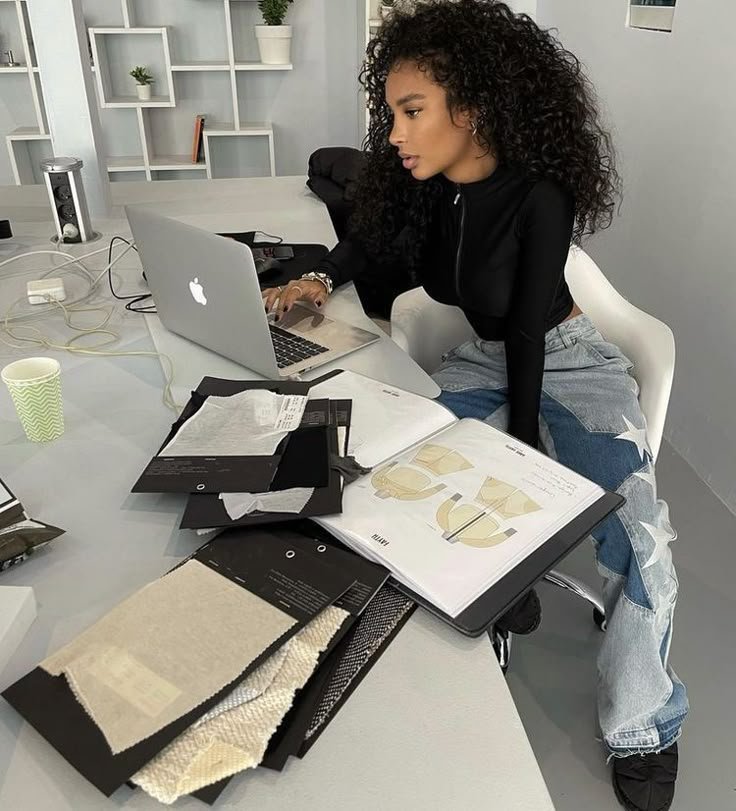
Product developers are responsible for turning concepts into tangible, market-ready products. They manage production timelines, source materials, and maintain relationships with factories and manufacturing partners.
This role often involves trend forecasting and the analysis of sales and market data, alongside a strong working knowledge of materials, fabrics, and textiles. Product developers support designers by helping identify and select the most appropriate materials for upcoming collections, balancing creativity with cost, quality, and feasibility.
Public Relations: Shaping Brands Through Media
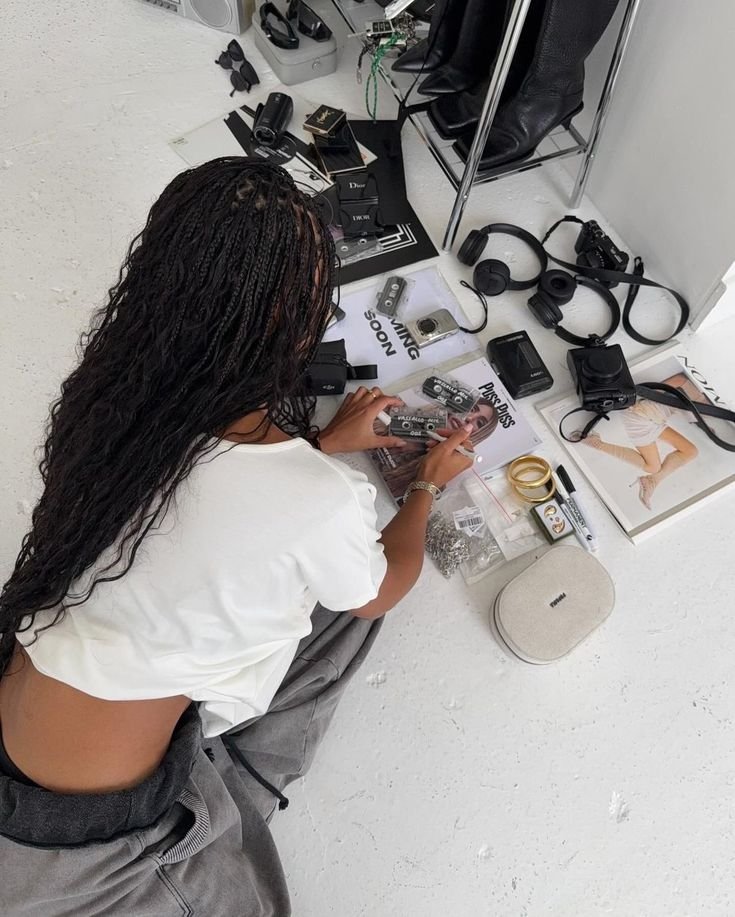
Public relations professionals shape a brand’s narrative, manage media relationships, and guide public perception. They are responsible for maintaining a brand’s reputation while building and sustaining its presence across media platforms.
Public relations is arguably one of the most critical functions of any business, not just in fashion. When scandals or controversies arise, PR teams lead crisis response and reputation management. Publicity can make or break a brand, which is why executives and CEOs treat this function as a strategic priority rather than a support role.
Success in this field requires strong interpersonal skills, a deep understanding of media and social platforms, and the ability to perform under pressure in fast-paced, high-visibility environments.
“Publicity is absolutely crucial. A good PR story is infinitely more effective than a front-page Ad.”
Fashion Marketing & Advertising: Make People Want to Spend Their Money!
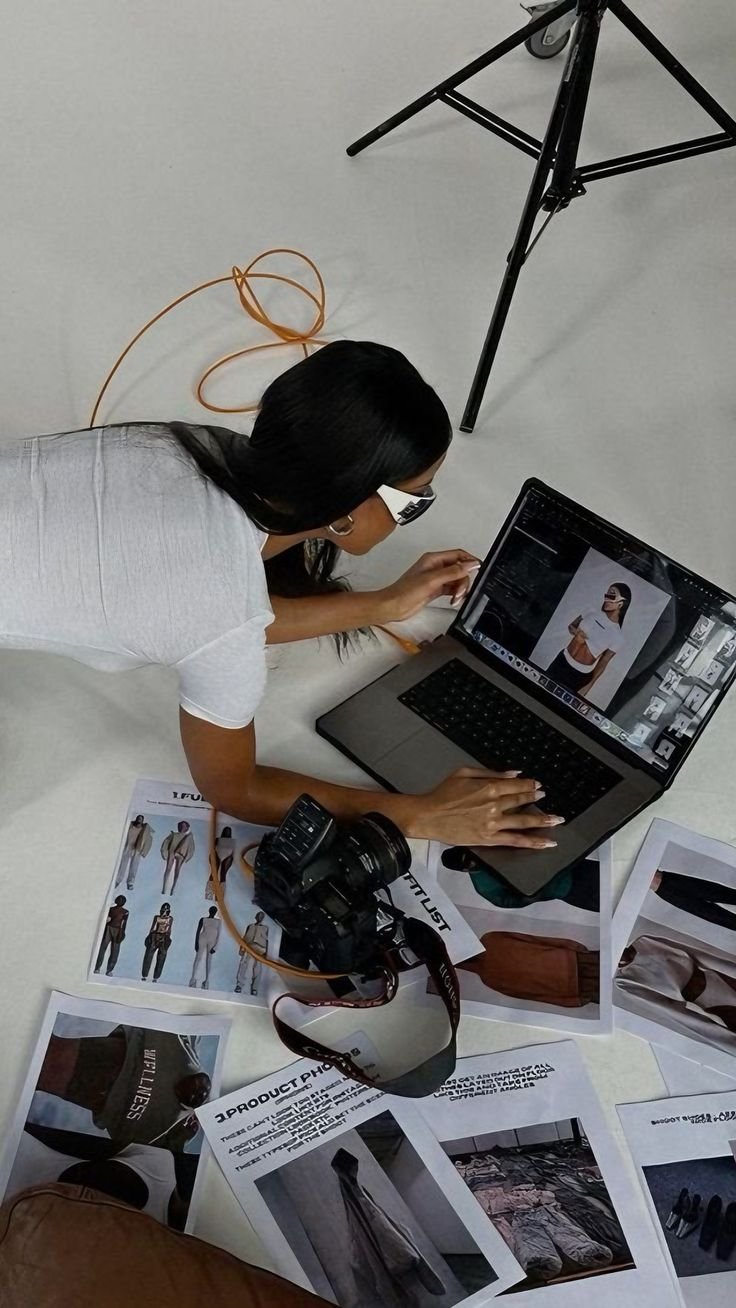
Marketing and advertising are core functions of the fashion industry, and fashion campaigns operate differently than those in most other sectors. A Chanel advertisement or a Schiaparelli campaign bears little resemblance to marketing from brands like Mercedes or Apple. In fashion, simply presenting a product is not enough. The work requires storytelling.
Fashion marketing must immediately engage the viewer by conveying elegance, emotion, aspiration, and fantasy. These narratives create desire and establish brand identity long before a consumer considers a purchase.
Each brand approaches this process differently, as every label has its own identity and cultural positioning. For this reason, marketers must have a deep understanding of what a brand represents and who its target audience is. The primary objective of marketing and advertising is to generate desire without overt persuasion. Campaigns should connect with consumers without feeling forced, excite them without creating confusion, and communicate clearly within seconds.
In today’s media landscape, attention spans are short and competition is constant. Brands often have as little as six seconds to capture interest, making clarity and impact essential.
A career in fashion marketing and advertising requires the ability to communicate ideas quickly and effectively while remaining innovative and audience-focused. Creativity is critical, as repetition and predictability can cause campaigns to lose relevance in an oversaturated market.
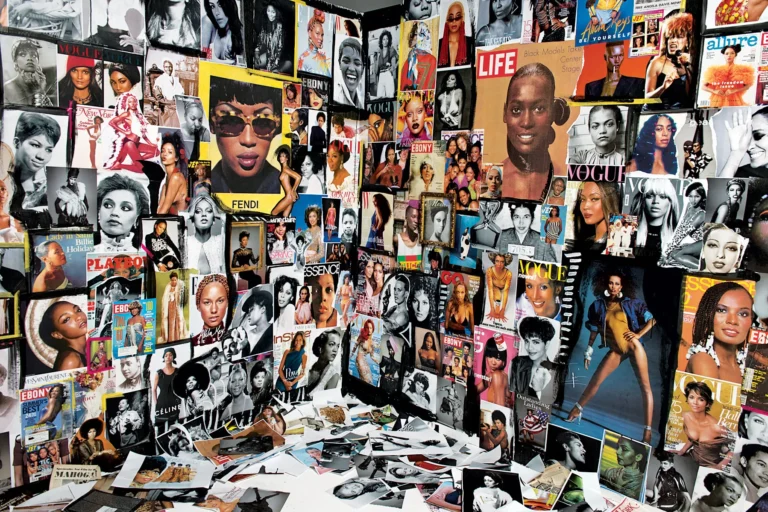
Last but certainly not least is fashion journalism. Without it, keeping pace with the constant movement of the fashion industry would be nearly impossible. Trend reports, interviews, investigations, emerging designers, and major industry shifts are all documented and contextualized by fashion journalists. This work informs how the industry is understood, remembered, and critiqued.
Fashion journalists play a critical role in educating audiences about the business, culture, and power structures behind fashion. Through reporting and analysis, they translate an ever-evolving global industry into accessible, timely information.
A career in fashion journalism requires strong writing and research skills, as well as the ability to ask informed questions and conduct interviews. Journalists must stay current on industry news and cultural shifts, often working under tight deadlines to publish stories before competitors.
André Leon Talley remains one of the most influential figures in fashion journalism. Known for his commanding presence and deep knowledge of fashion history, Talley wrote for publications including Women’s Wear Daily, Vanity Fair, The New York Times, and W Magazine. His work centered fashion within broader conversations about art, culture, and race. In 1988, he became Vogue’s first Black creative director, cementing his legacy as a barrier-breaking editor whose influence continues to shape the industry.
“My only advice is, follow your dream and do whatever you like to do the most. I chose journalism because I wanted to be in the places where history was being made.”
During COVID-19, I struggled deeply. As I prepared to graduate high school, I was completely unsure of what I wanted to pursue professionally. I had no clear direction. When I first learned about FIT, I was intrigued, but I quickly dismissed the idea.
How was I supposed to work in fashion if I could not draw or sew? That was the question I kept asking myself.
After doing more research, I realized that fashion is an interconnected network of careers. The industry does not function on designers alone. It requires an entire ecosystem of professionals working together to create success.
That realization solidified my determination to attend FIT. I had a poor high school GPA and no industry connections, but I believed that FIT could help me identify my place within fashion. Studying fashion allowed me to understand the industry’s many facets and helped me uncover skills I did not even know I had.
Many students never discover these career paths because fashion education often overemphasizes design. There are countless ways to express creativity and intelligence without ever picking up a measuring tape. Do not feel discouraged if design is all you see. Apply for internships, seek mentorship from professors, curate your resume with intention, and take up space. The fashion industry needs more Black voices, perspectives, and leadership. Do not let anyone limit what you believe is possible.