

As a Black-centered publication, my goal is never to contribute to unnecessary criticism of Black trailblazers and innovators who have opened doors for many of us in the fashion and beauty industries. But honesty is also part of my responsibility. Both can exist at once. And with that in mind, Tyra, we need to have a conversation.
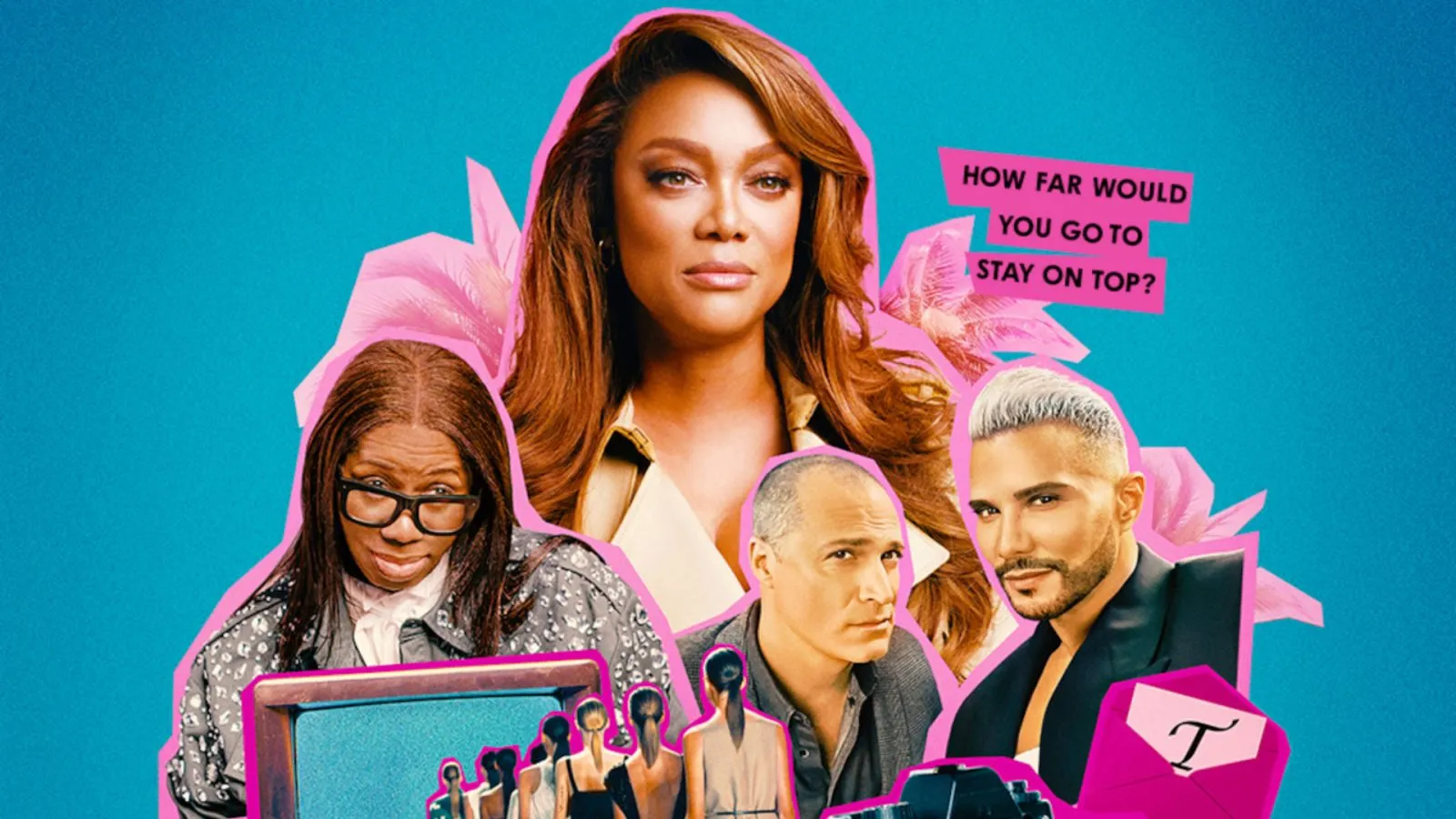
Like many viewers, I tuned into the new Netflix docuseries Reality Check, which revisits the rise and fall of America’s Next Top Model and confronts some of the show’s most controversial moments. The series features commentary from several of its defining figures, including Jay Manuel, J. Alexander, Danielle (Dani) Evans, and Tyra Banks herself.
Running for 24 cycles, America’s Next Top Model promised viewers a “real and raw” look at the fashion industry. It became a defining pop culture force, at one point the top-rated show on UPN and a global phenomenon that shaped how an entire generation understood modeling, beauty, and ambition. Its cultural impact is undeniable. So are its contradictions.
Behind the glamour existed moments that now feel uncomfortable, even harmful. In recent years, multiple former contestants have spoken publicly about their experiences on the show and their treatment under Banks’ leadership. These conversations did not emerge in a vacuum. They exist within a broader pattern in which Black women in fashion and beauty are scrutinized more harshly, framed more negatively, and afforded less grace than their white counterparts. Black women are often expected to endure criticism without protection, their authority recast as aggression, and their ambition as excess.
Had a white figure like Janice Dickinson, who served as a key judge in the early cycles of America’s Next Top Model and contributed some of the show’s most harmful critiques of contestants, operated within the same framework, much of this behavior likely would have been dismissed as simply “the fashion industry being the fashion industry.” Dickinson’s sharp, often brutal judgments shaped early perceptions of the show and the models, yet she faced none of the sustained scrutiny Banks now contends with.
That context matters. It always has.
But context cannot replace accountability.
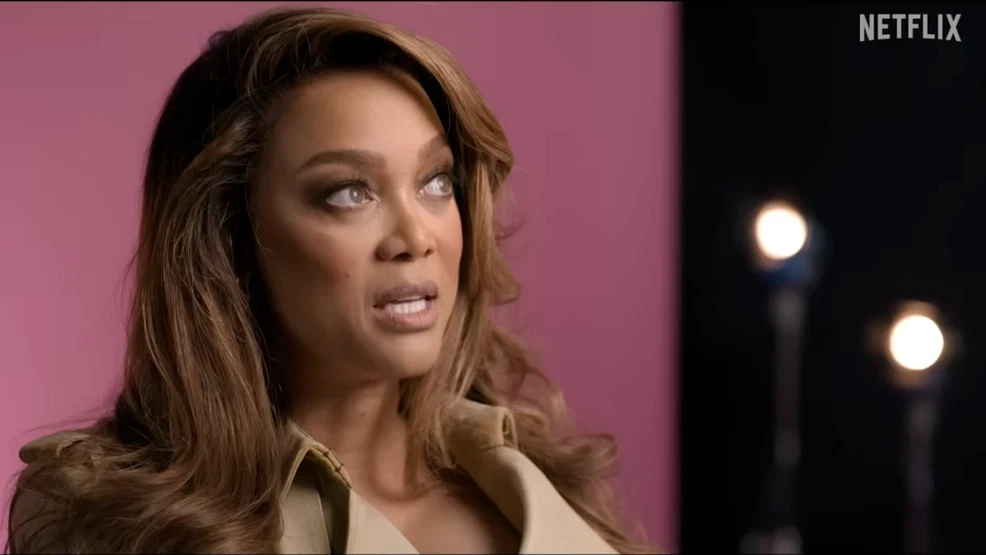
Watching Banks navigate difficult questions in real time, often deflecting rather than fully confronting the harm described by former contestants, revealed the tension at the center of this moment. Acknowledging racial bias in the backlash she receives does not erase the reality that many women left the show carrying real emotional weight. At some point, protecting a legacy begins to look like avoiding responsibility. That is where admiration gives way to necessary critique.
I also cannot simply excuse what happened by pointing to the 2000s as a different time, as if toxic views were somehow acceptable then. Even if that context existed, Tyra had opportunities that many of us never did to shape the narrative, to lead with accountability, and to protect the people whose stories she was telling. She chose not to. The result is a trail of hurt and confusion that still affects contestants, viewers, and the legacy of the show today.
What then was the point of participating in the docuseries if there was no real conversation? Especially when she turns to the audience and gaslights, saying, “I only gave you what you wanted, you guys wanted this.” This was not insight. It was not reflection. It could have been a simple video from her home in Australia. Instead, it became a production that promised accountability and delivered avoidance. That is on Tyra.