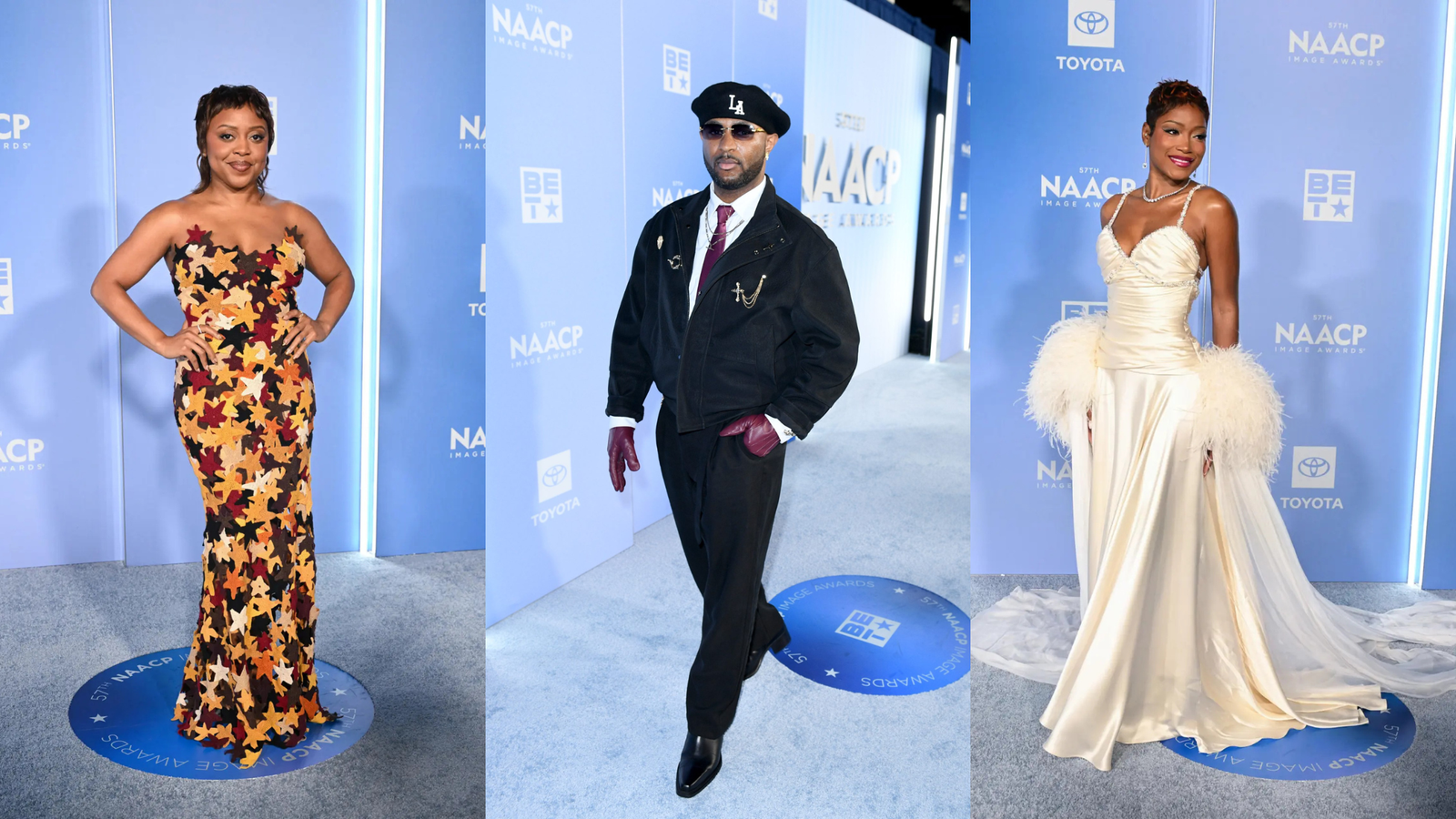

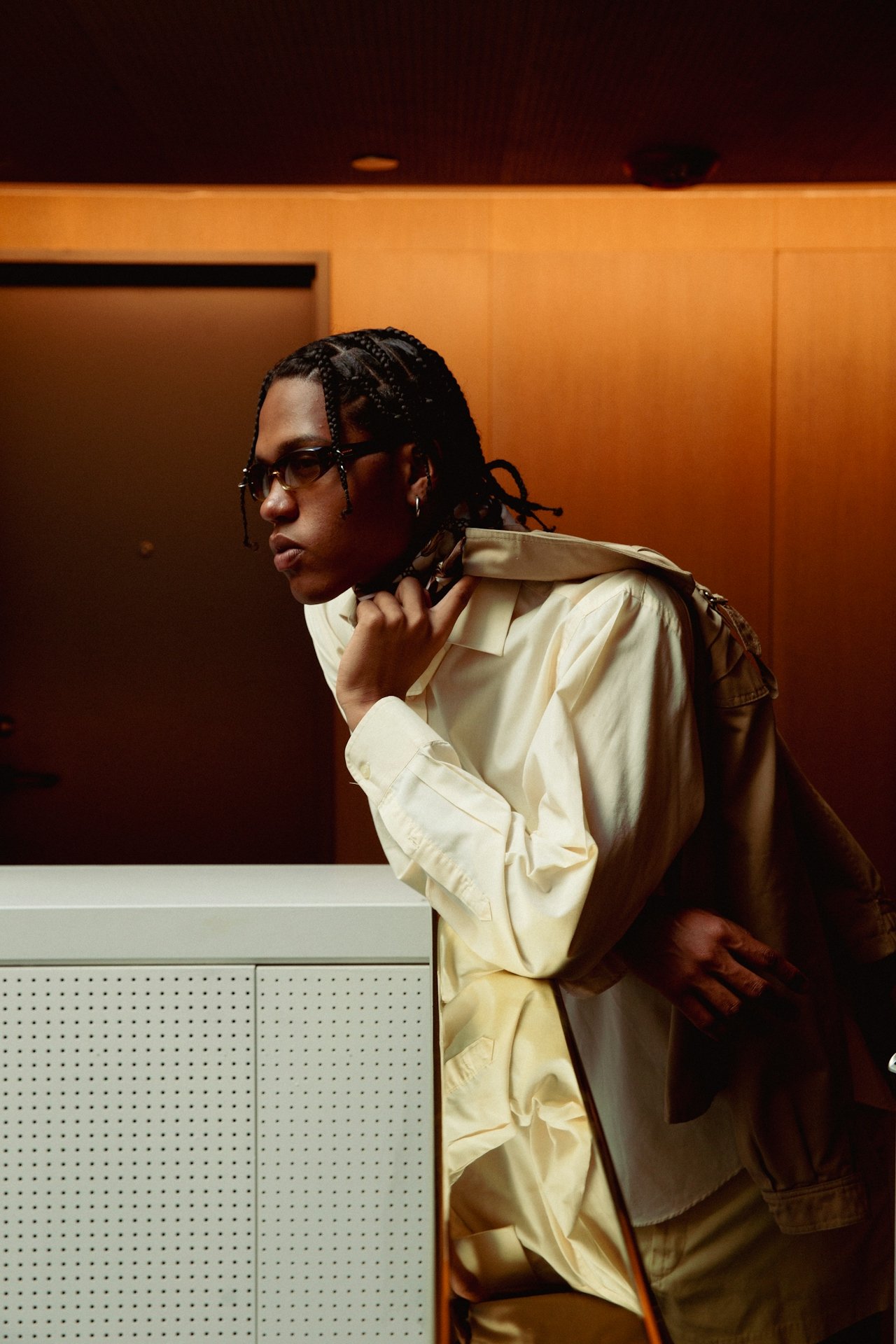


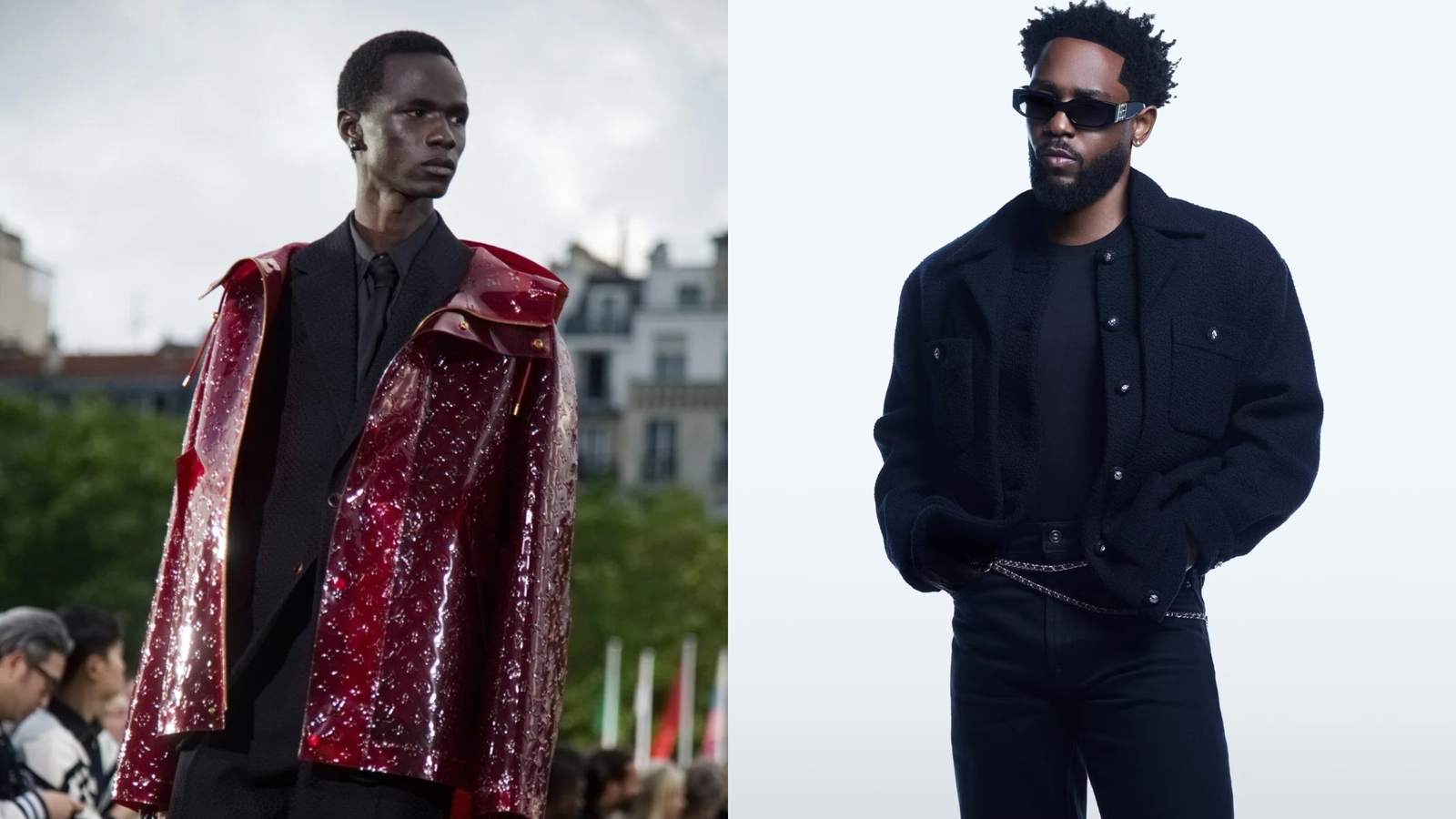
In the ever-evolving world of luxury fashion campaigns, a striking shift is underway: Black men are no longer absent from billboards, runways, and magazine pages. From Kendrick Lamar’s minimalist campaign for Chanel to A$AP Rocky’s longstanding relationships with Gucci and Bottega Veneta, luxury houses are finally embracing Black male presence—not just as muses, but as the faces of the brand.
But as the fashion industry applauds itself for its newfound “inclusivity,” a deeper question remains: Are Black men in luxury fashion truly being seen, or simply slotted into narrowly defined archetypes—mainly, the streetwear icon?
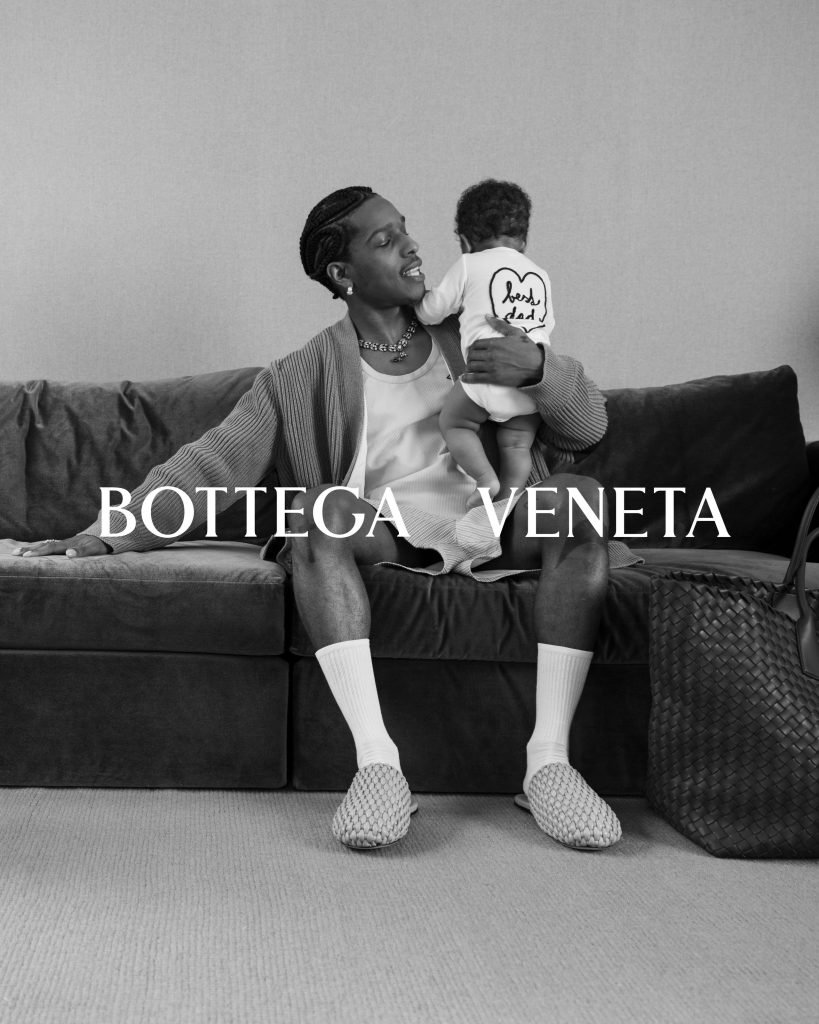
The narrative is evolving. A$AP Rocky, often dubbed the “Fashion Killa,” has fronted campaigns for Dior Homme, Gucci, and most recently Bottega Veneta, blending his Harlem-bred edge with European tailoring. Similarly, Kendrick Lamar stunned fans in 2024 as the face of Chanel’s first men’s ready-to-wear collection, styled in tweed jackets with quiet defiance. The visuals are powerful. They mark progress. But progress doesn’t always mean liberation.
Too often, luxury campaigns featuring Black men lean into “cool,” “edgy,” or “urban” aesthetics. Streetwear—once dismissed by high fashion—is now fully absorbed into the luxury ecosystem, largely thanks to the influence of Black creatives and consumers. Yet this embrace can feel like a constraint.
While Black male models and celebrities are increasingly visible, they’re still expected to embody a certain swagger, athleticism, or street-informed bravado. Rarely are they positioned with the softness, intellectualism, or quiet elegance afforded to their white counterparts. Take Louis Vuitton, for example: A$AP Rocky is often styled in oversized monogrammed outerwear and bold color-blocking, while Timothée Chalamet appears in clean tailoring and minimal accessories—a clear nod to the quiet luxury aesthetic. When Black men show up in luxury, are they allowed to be poetic, gentle, and refined?
Some are challenging that narrow lens. Pharrell Williams, as creative director of Louis Vuitton Men’s, is expanding the fashion narrative around Black masculinity. His SS25 collection introduced cowboys, astronauts, and scholars—symbols of the multifaceted Black male experience. Tyler, the Creator’s collaborations with Lacoste and Louis Vuitton lean into preppy minimalism: pastels, loafers, tailored shorts, and softness that push against rigid definitions of masculinity. These shifts matter because they widen the lens of possibility.
The economic incentive is undeniable. Black consumers and tastemakers are driving global luxury trends—particularly in the U.S., U.K., and across African fashion markets. A 2024 Bain & Company report shows Gen Z and millennial Black consumers are leading growth in both luxury resale and direct-to-consumer sales, fueled by collaborations with Black influencers.
From a business standpoint, incorporating Black men in luxury campaigns isn’t just performative optics—it’s profitable strategy. A$AP Rocky brings millions of impressions and unmatched cultural currency. Kendrick Lamar carries artistic credibility and rare authenticity. But if brands stop at visibility and don’t invest in true creative collaboration, the effort risks becoming hollow.
Visibility only matters if it leads to dimensionality. Black men deserve to be portrayed in luxury not just as icons of style or athleticism, but as artists, thinkers, fathers, and dreamers—just as nuanced, complex, and worthy of luxury as any other muse. To make that shift, brands must be willing to go deeper.