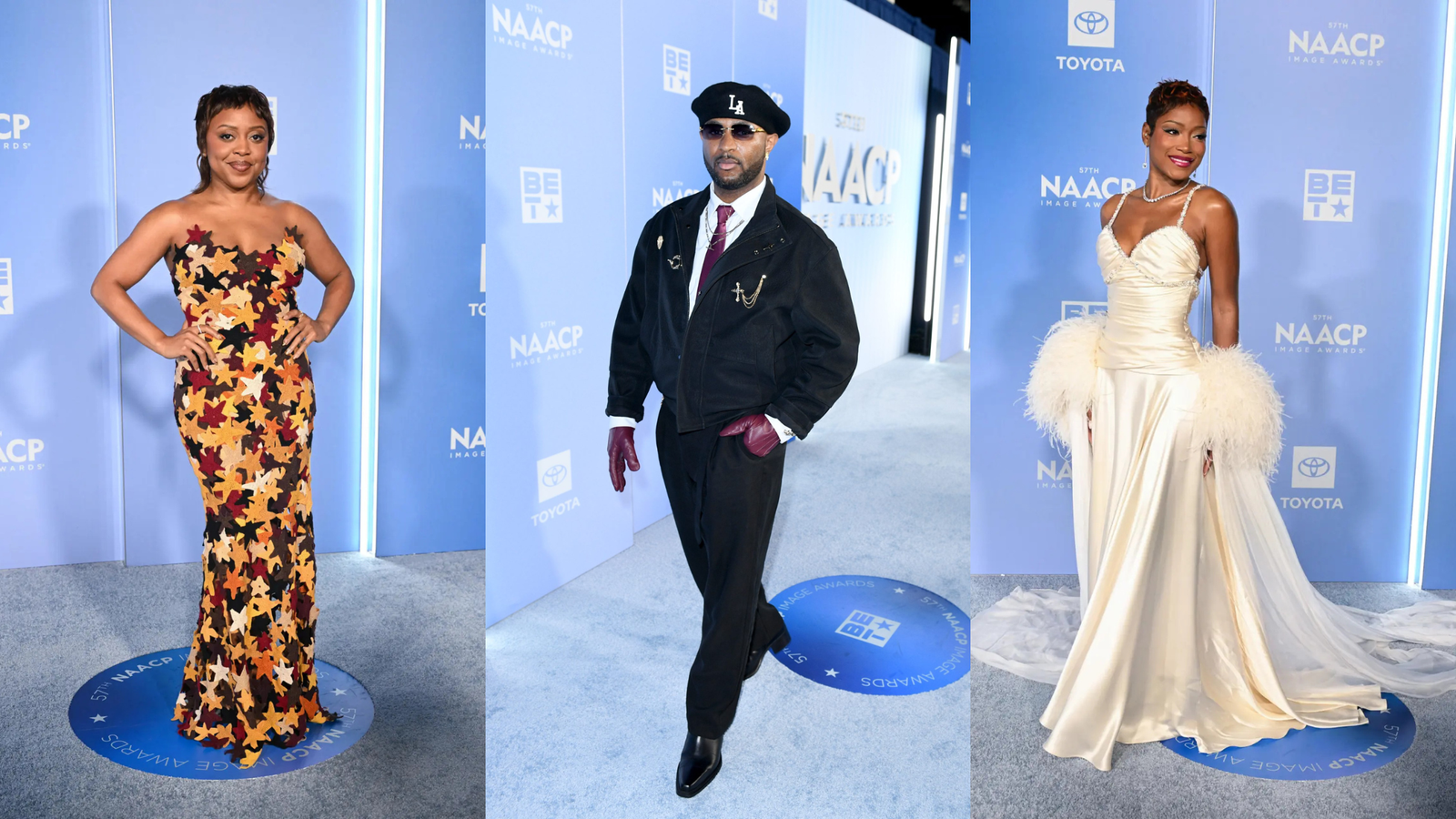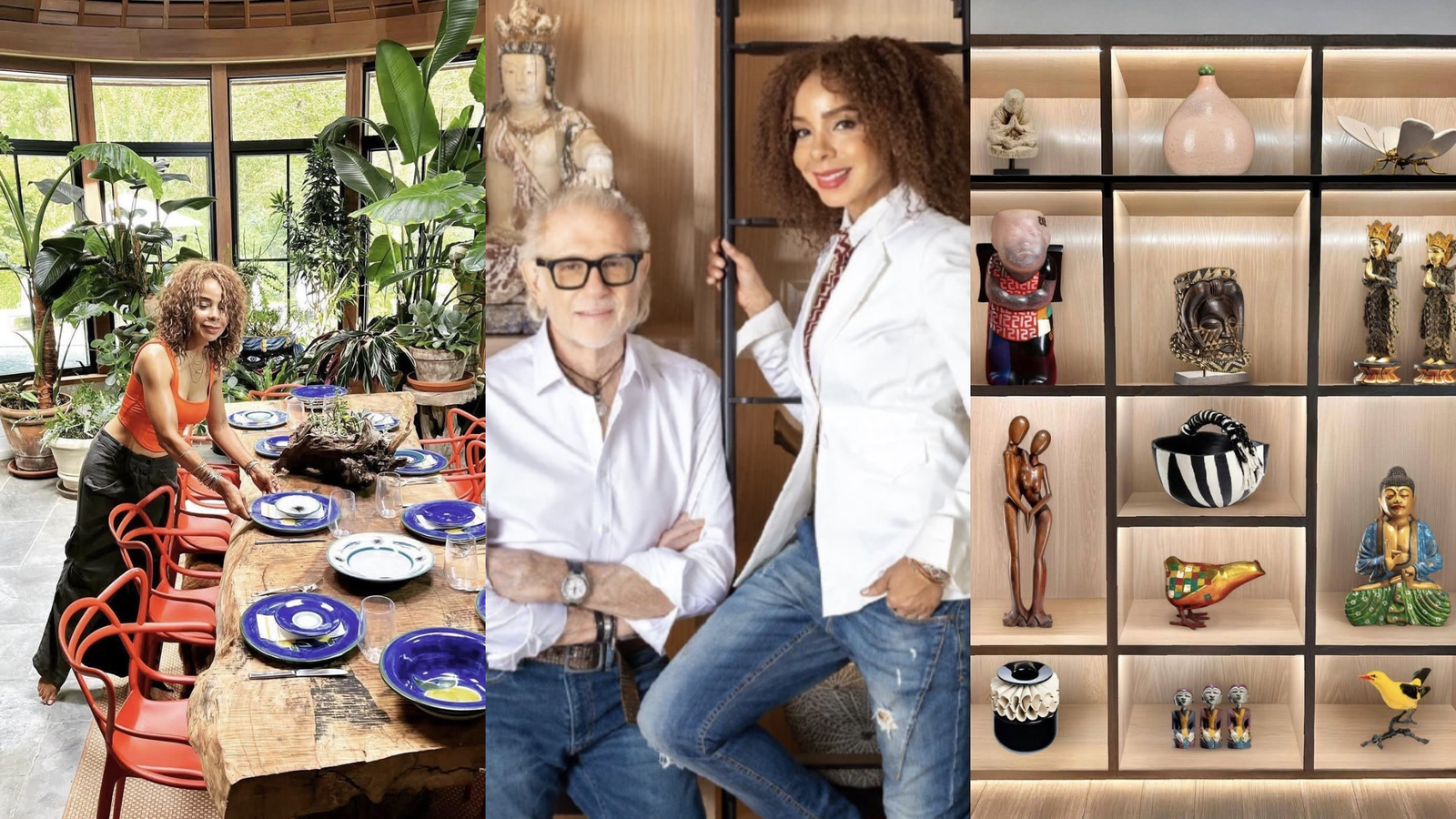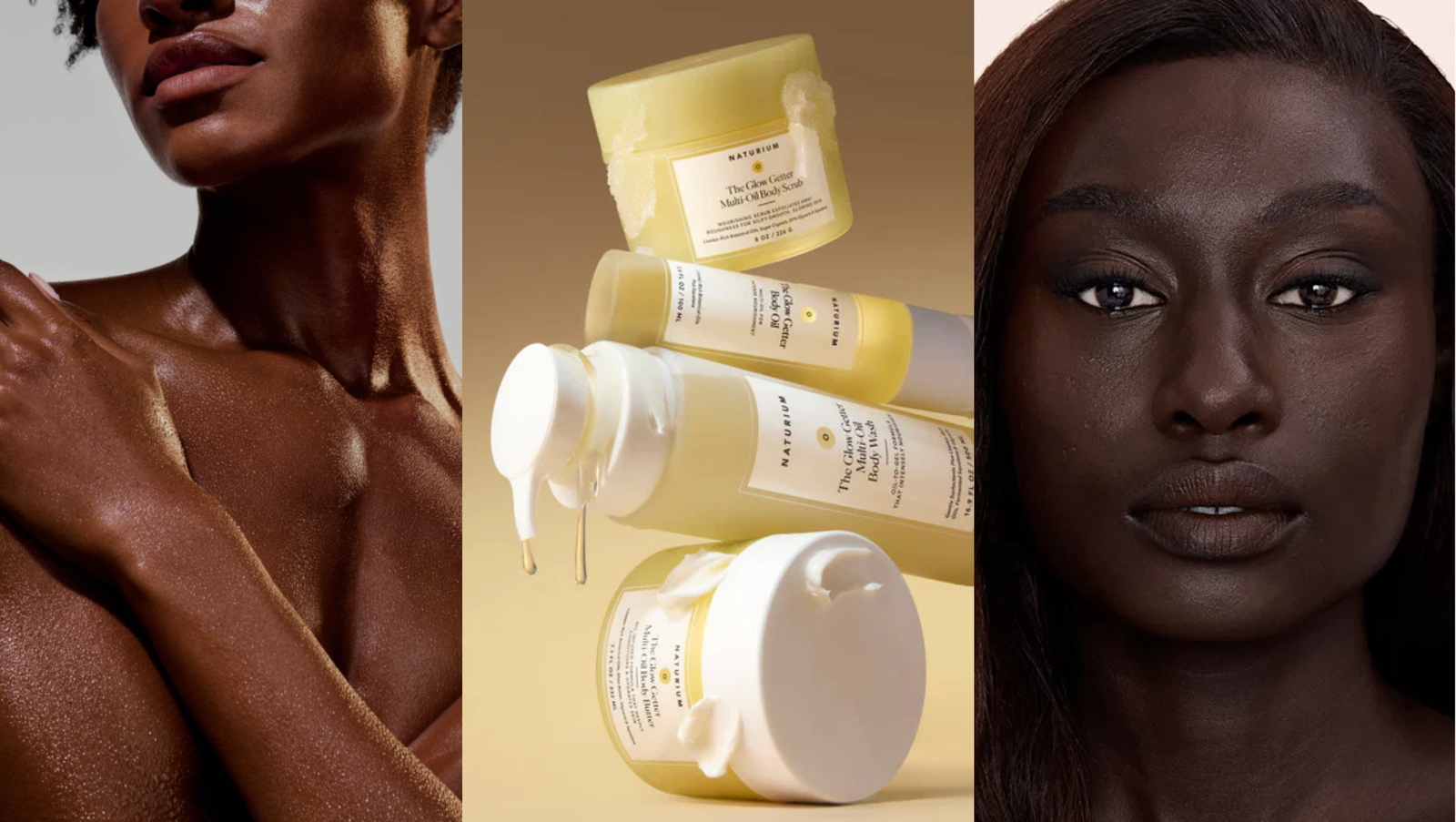




In an era where quiet luxury has become a dominant force in high fashion—characterized by minimalism, craftsmanship, and logo-less silhouettes—it raises a key question: Is this refined aesthetic compatible with Black fashion identity, or is it just another fleeting trend that fails to reflect the cultural richness of Black fashion? The conversation isn’t just about taste or style; it’s about history, representation, and the future of the Black fashion business within the global luxury market.
Often associated with brands like Loro Piana, Brunello Cucinelli, and The Row, quiet luxury represents subtle sophistication. Think finely tailored blazers, neutral palettes, and soft, high-quality fabrics that quietly signal wealth. The term has circulated heavily on social media, with fashion creators worldwide showcasing their interpretations. But it has also sparked debate—especially on platforms like TikTok—where many argue the concept is being diluted. Some believe quiet luxury is being reduced to simply wearing earth tones and a blazer. Others argue it’s more about fit, texture, and intentional styling than just muted colors. What’s become clear is that different cultural backgrounds interpret quiet luxury in distinctly different ways.
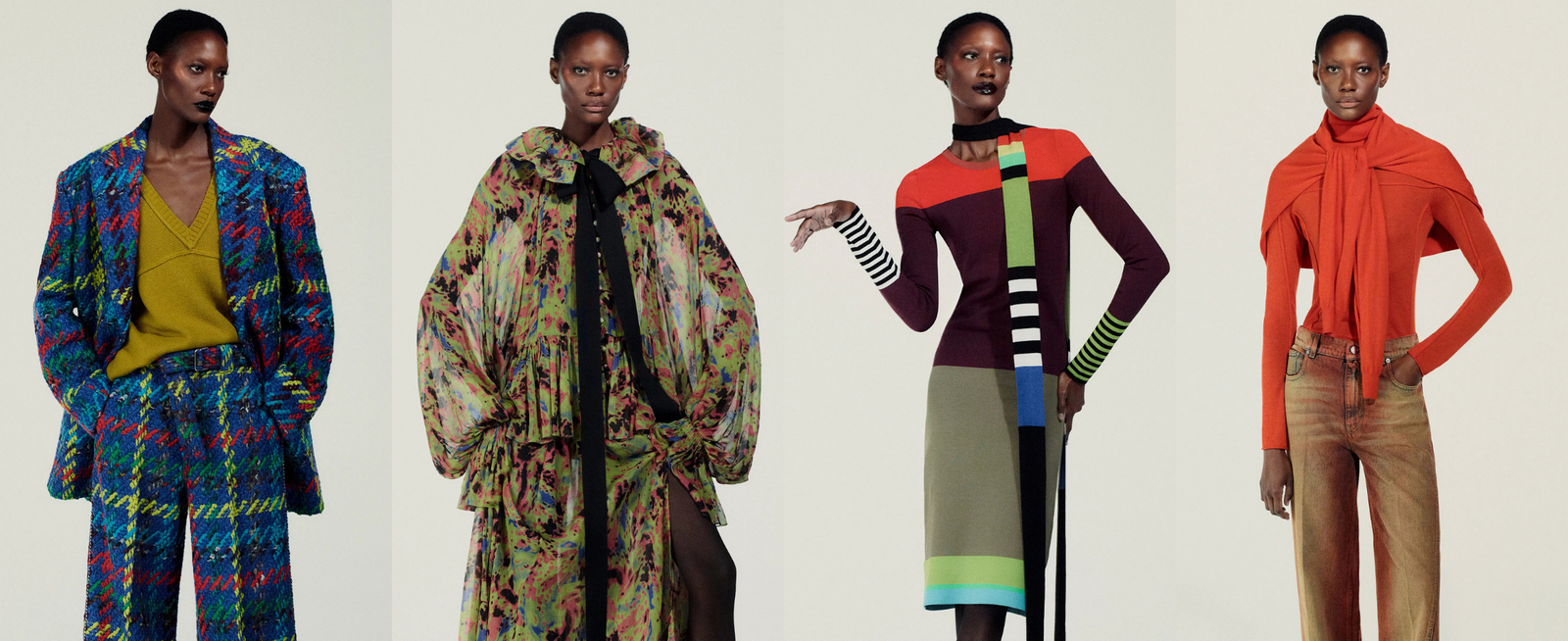
A new generation of Black designers is reshaping the narrative. Brands like Wales Bonner, Christopher John Rogers, and Fe Noel have embraced elements of subtlety, precision tailoring, and heritage textiles—without compromising cultural authenticity. Still, some critics suggest quiet luxury is inherently restrictive, arguing that it suppresses the expressive spirit of Black fashion. For some, it’s seen as a subversion—a way of reclaiming a Eurocentric aesthetic and filtering it through a Black lens. For others, it feels like a gag, muting our creativity in the name of fitting in.
For the Black fashion industry, quiet luxury presents both opportunity and risk. On one hand, it may open doors for designers whose work is rooted in timeless silhouettes and sleek design—elements often present in Black-owned labels but overlooked due to market bias or pigeonholing. On the other hand, if quiet luxury becomes the default aesthetic, will designers who don’t conform be excluded from visibility, investment, and influence?
The luxury space still struggles with inclusion. According to a 2023 McKinsey report, Black designers make up less than 3% of leadership in global fashion houses. If the definition of luxury continues to narrow, it may further marginalize voices whose aesthetic language is built on cultural vibrancy and storytelling.
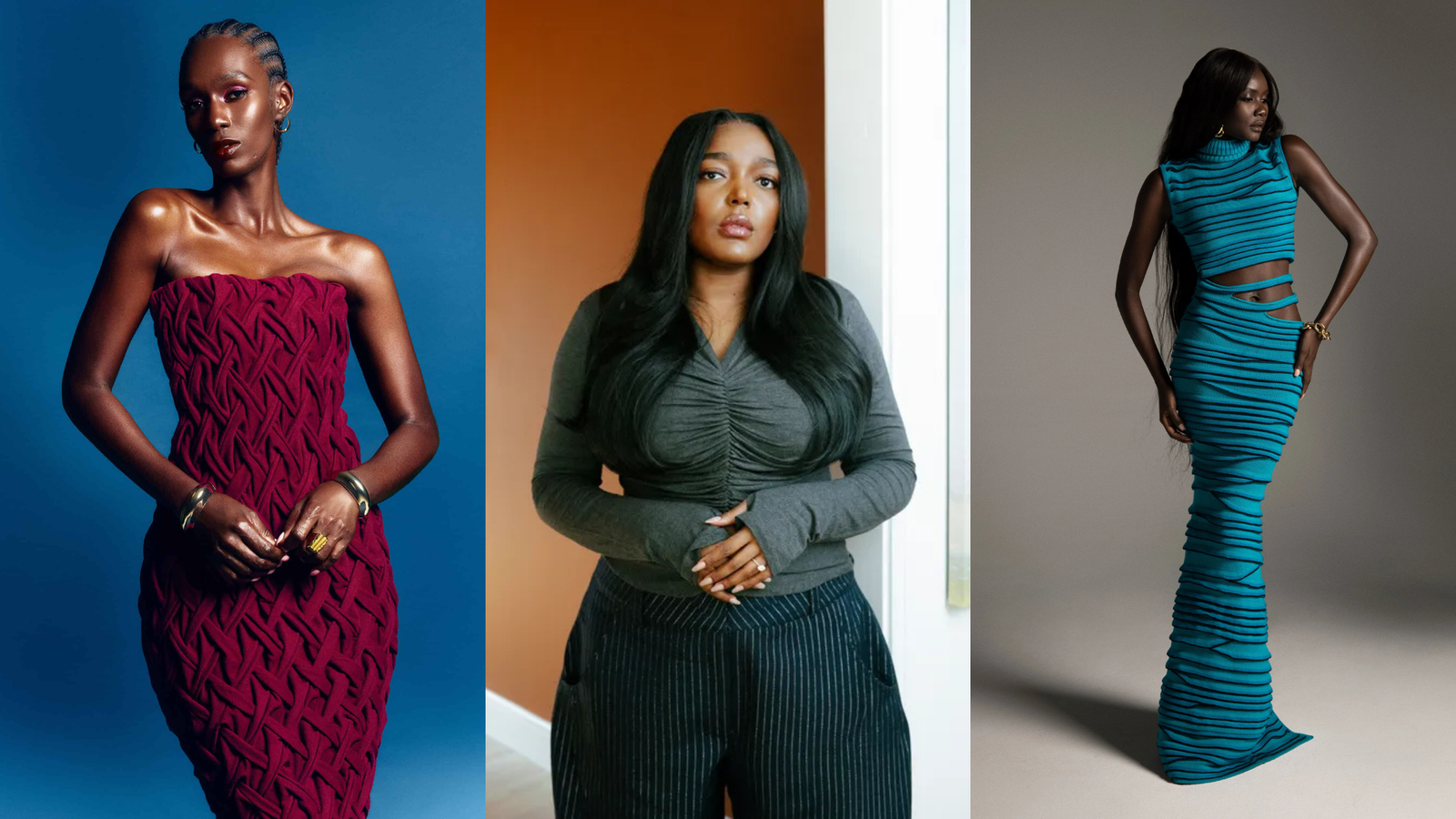
The path forward for Black fashion may not be in conforming, but in expanding the definition of luxury itself. For many Black designers and consumers, luxury is found not just in fabric and cut, but in heritage, narrative, and intention. Black-owned brands like Telfar, Brother Vellies, and Hanifa have proven that luxury can be bold, innovative, and culturally rooted—and still thrive commercially and critically. They may not fit the “quiet luxury” mold, but they are luxurious nonetheless.
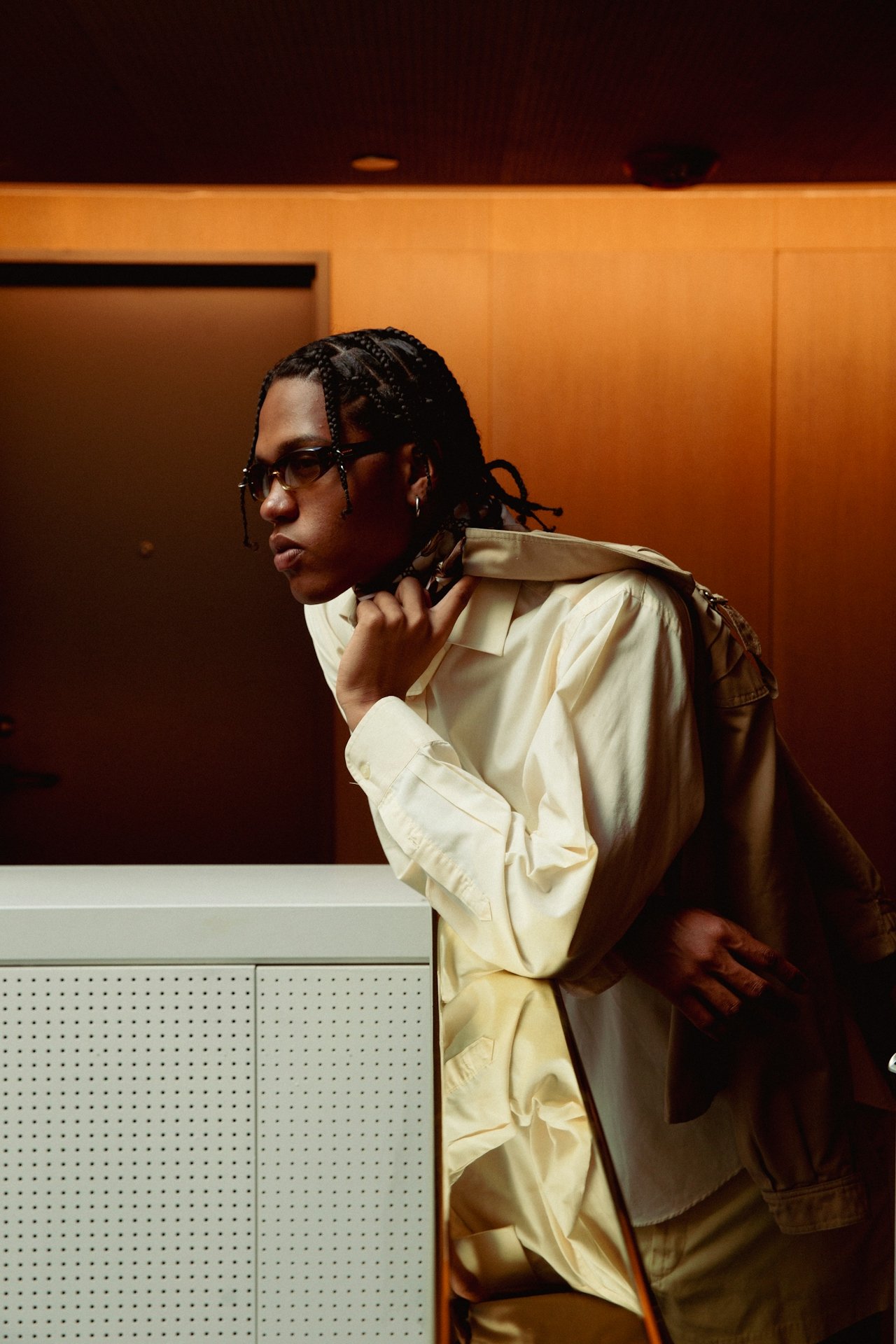
"There are no rules about how you represent yourself. My work is more an attempt to show a spectrum of myself rather than a certain way of behaving or looking."
So, is quiet luxury compatible with Black fashion identity? Maybe the question isn’t about compatibility, but adaptation. Black fashion doesn’t need to assimilate—it reinterprets, redefines, and reclaims. The rising presence of Black designers in the luxury space is proof that elegance and identity can go hand in hand. As the industry continues to grapple with inclusivity and evolution, there’s room for a broader vision of luxury—one that allows for restraint without erasure, and expression without limitation.
Quiet luxury doesn’t have to be a trend that sidelines Black creativity. Black people don’t fit into one aesthetic—we are a spectrum. And even if quiet luxury fades, Black designers have already shown that we can exist within that space, while still honoring the culture that shaped us.