




The COVID-19 pandemic created a health obsession that expanded well beyond food and medicine, making its way into the beauty industry. Consumers became hyper-aware of what they were putting in and on their bodies, and beauty companies had to adapt quickly to avoid backlash. “Clean beauty” promises formulations free from questionable chemicals and is marketed toward skincare-conscious consumers. Products that fall under this label are meant to help people embrace their natural beauty by targeting skincare concerns with safe, clean ingredients.
Uoma Beauty, founded by Sharon Chuter, launched with 51 foundation shades across six formula groups tailored to diverse undertones and concerns like hyperpigmentation—a common issue for many Black people. The brand centers representation and highlights in-house stories of marginalized communities and empowerment. Ami Colé, another Black-owned clean beauty brand, was built for melanin-rich skin. Creator and founder Diarrha N’Diaye-Mbaye developed her tinted moisturizer and highlighter line with input from over 400 testers, formulating with baobab seed oil and West African botanicals specifically for deeper tones. Lastly, while not a makeup brand, Black Girl Sunscreen (my favorite sunscreen!) is a clean, mineral-based SPF designed so Black women experience no white cast—a major skincare blind spot for many other sunscreen brands.
Still, too many lines fail Black women at the most basic level: shade range, formula performance, and culturally affirming marketing. One of the biggest examples is Youthforia. A few months ago, the brand faced major backlash for its tinted moisturizer line. When consumers pointed out the lack of diversity in its shade range, Youthforia responded by creating a shade that was literally just black—no undertones, just a flat, deep shade. Despite the outrage, Youthforia never issued a real apology or corrected the mistake. Today, its products are being sold at half-price in TJMaxx.
Many clean beauty brands overlook the fact that more than 50% of consumers are likely to purchase a product because it represents their ethnicity or skin tone. By excluding Black women, companies are missing a significant portion of potential sales. On top of that, roughly 70% of Gen Z consumers consider brand identity before making a purchase. If a brand is known for poor diversity (like Youthforia), that reputation will show in its profits. These brands present themselves as careless and, in some cases, blatantly racist.
When creating foundation, skin tint, or tinted moisturizer lines, brands should launch with at least 30–50 shades, paying particular attention to undertones. Even when darker shades are offered, they often appear orange and are unwearable for Black women with cool or neutral undertones. Deep tones with proper undertones cannot be an afterthought or add-on—they must be a priority.
We also need more Black women in the lab. Partnering with Black women entrepreneurs ensures formulas actually work for deeper skin tones. This also applies to skincare. Melanated skin sometimes requires different or stronger formulations, and brands won’t know that unless they collaborate with melanated people. Marketing must improve as well. It’s 2025, yet brands are still reluctant to hire Black models. Clean beauty—and beauty in general—should serve everyone, regardless of skin tone. If it doesn’t, brands should go back to the lab and try again. If the product isn’t meant to work for everyone, it should not be labeled “inclusive.” YSL demonstrated this earlier this year with its lavender blush, marketed as universal. On anyone darker than a brown paper bag, however, it looked like white chalk. Clearly, there were no Black engineers in the room when that product was created.
@missdarcei Now why would YSL do this lmao #beauty #makeup #beautytok #greenscreen ♬ original sound - Darcei
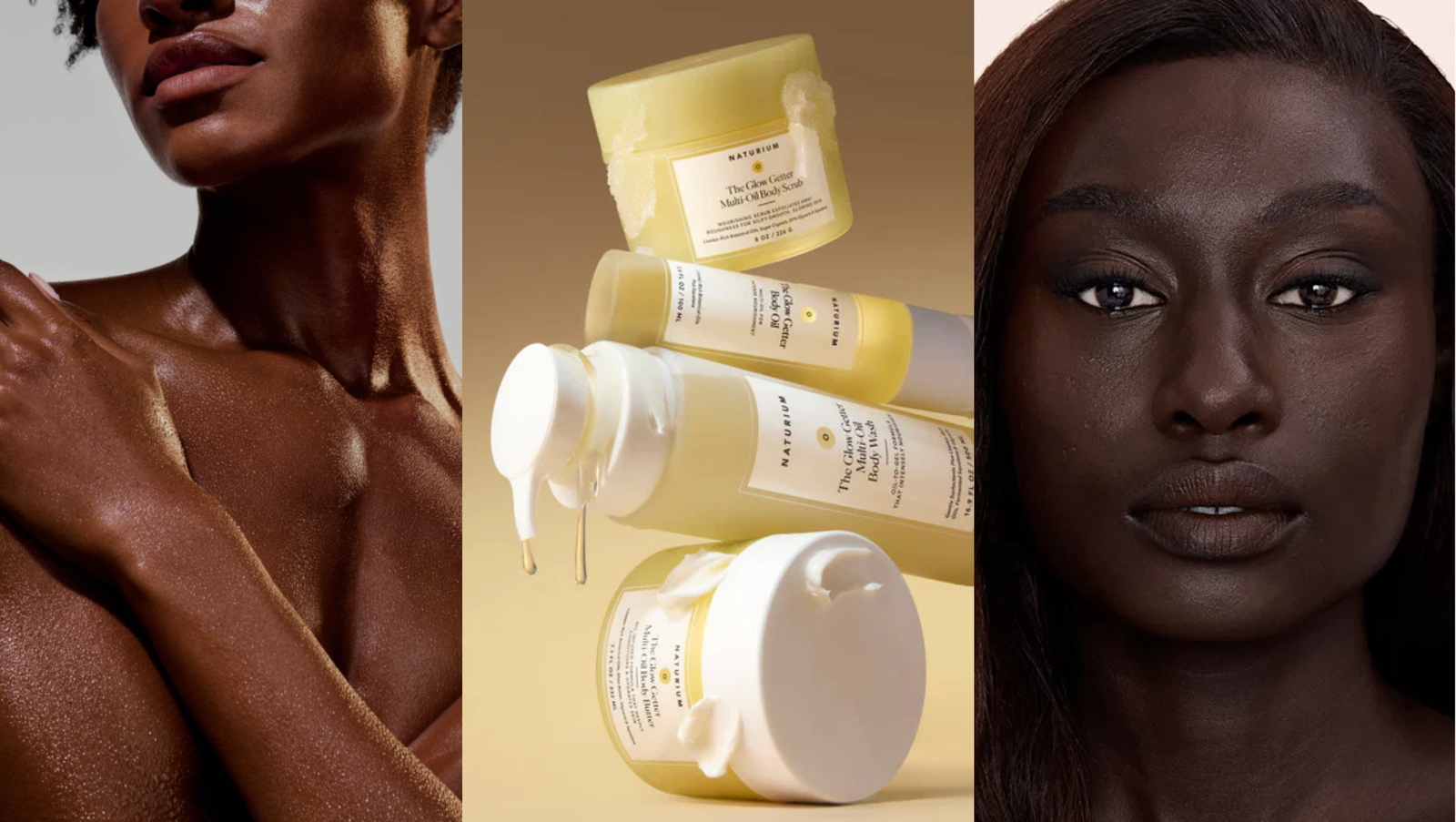
During my time at the Fashion Institute of Technology, I collaborated with a group of women on a presentation about science-based beauty. We discovered that science-based beauty was often more effective for Black women than clean beauty. Brands like Topicals, Naturium, La Roche-Posay, and CeraVe have created safe, effective products for people with more melanin. While they aren’t makeup brands, their formulas are so effective that makeup becomes optional. People hear the word “chemicals” and get scared, but products can be both clean and chemical-based. Topicals and Naturium are perfect examples—both were created with people of color in mind, and their results speak for themselves.
Clean beauty’s promise of skin-friendly formulas falls flat when Black women encounter shade gaps, formula mismatches, and superficial marketing. Real inclusion means building products for melanin-rich skin from day one, amplifying Black-led brands and stories, and holding companies accountable with transparent data and diverse leadership. Only then can clean beauty live up to its name—for all women.