


We live in a day and age where thrifting and repurposing clothing is trendy, especially eco-friendly streetwear. Surely everyone notices the pestering ads for SHEIN and Temu advertising the most recent micro-trend. We see them all the time, but when it comes to how ethical and environmentally sustainable they are, we don’t hear anything about it. That’s because they aren’t.
Advisor. Mag chooses to dedicate time to talk about and highlight sustainable brands that have strong ethical viewpoints and respect the time and hard work that goes into making each garment. As a society we should take it one step further by aiming for a more just societal environment by uplifting Black communities who create streetwear designs using sustainable resources.
These brands often embrace eco-friendly practices, such as using recycled or upcycled materials, producing items in small batches, and supporting ethical labor practices. Additionally, Black designers are deeply aware of the environmental and social impacts of fast fashion, leading them to build brands that not only celebrate their cultural roots but also promote durability and responsibility in fashion. In this way, Black-owned sustainable fashion brands are at the forefront of an industry shift, showing that fashion can be a force for positive social and environmental change. Let’s dive into some Black owned brands for ethical fashion.
Come Back As A Flower (CBAAF)
Based in Los Angeles, this brand emphasizes sustainability through the use of 100% recycled cotton and small-batch, hand-dyed production. Known for its psychedelic tie-dye aesthetic, the brand offers a unique approach to eco-friendly streetwear essentials like hoodies, sweatpants and tees.
Come Back As A Flower is a sustainable, Black-owned streetwear brand known for its hand-dyed, one-of-a-kind pieces made from 100% recycled cotton. Founded in Los Angeles, the brand has become popular for its vibrant and unique dye patterns, with collections that emphasize environmental responsibility. Each piece is created in small batches to reduce waste, embodying a slow fashion ethos.
The brand has collaborated with major names, including pieces for ASAP Rocky and Big Sean where they combined their signature hand-dyed aesthetic with Carhartt’s iconic silhouettes. These collaborations, along with the brand’s support from celebrities and partnerships with platforms like Urban Outfitters, has helped increase its visibility while maintaining its commitment to eco-conscious fashion.
It’s important to keep in mind that most of the brands who hold these morals and values when creating clothing, usually consist of a small team. CBAAF has slowed down this last year with releases, but hope is not to be lost! After being MIA on Instagram for 122 weeks, they posted on October 1st of this year that they are coming back as a podcast. We hope to see future collections from this brand who has had an impact on the streetwear community environmentally but also creatively.
Sami Miro Vintage
Known for its eco-conscious approach to streetwear, the women owned brand – Sami Miro Vintage uses upcycled and vintage fabrics, with a focus on reducing waste in the fashion industry. This brand creates edgy, high-quality garments from materials like organic hemp and recycled cotton.
Carefully calculated pieces such as are usually priced higher due to the process it takes to make the unique garments. Yet, as of right now the brand has an archive collection that is 65% off! With prices such as those, you can’t ask for anything better.
Sami Miro Vintage is a standout in the sustainable fashion world, with its innovative blend of upcycled vintage materials and eco-conscious practices. Founded by Sami Miró, who transitioned from the tech industry to pursue her passion for fashion, the brand focuses on reworking vintage fabrics, including denim, to create high-fashion, streetwear-inspired pieces. Miró’s approach to eco-friendly streetwear is evident not just in her materials but in her entire production process, which is localized in Los Angeles to minimize the brand’s carbon footprint.
The Brooklyn Circus
Combining contemporary and streetwear styles, this brand delivers classic items like varsity jackets and graphic hoodies. Based in Brooklyn, they prioritize quality and timeless design, while exploring sustainable practices within their collections.
Known for their commitment to high-quality craftsmanship, they take into account historical narratives when designing their garments, such as their use of looms for denim and the sustainable production of their varsity jackets. Their focus on community and cultural representation further enhances their ethical footprint in fashion, making their collections socially and environmentally conscious.
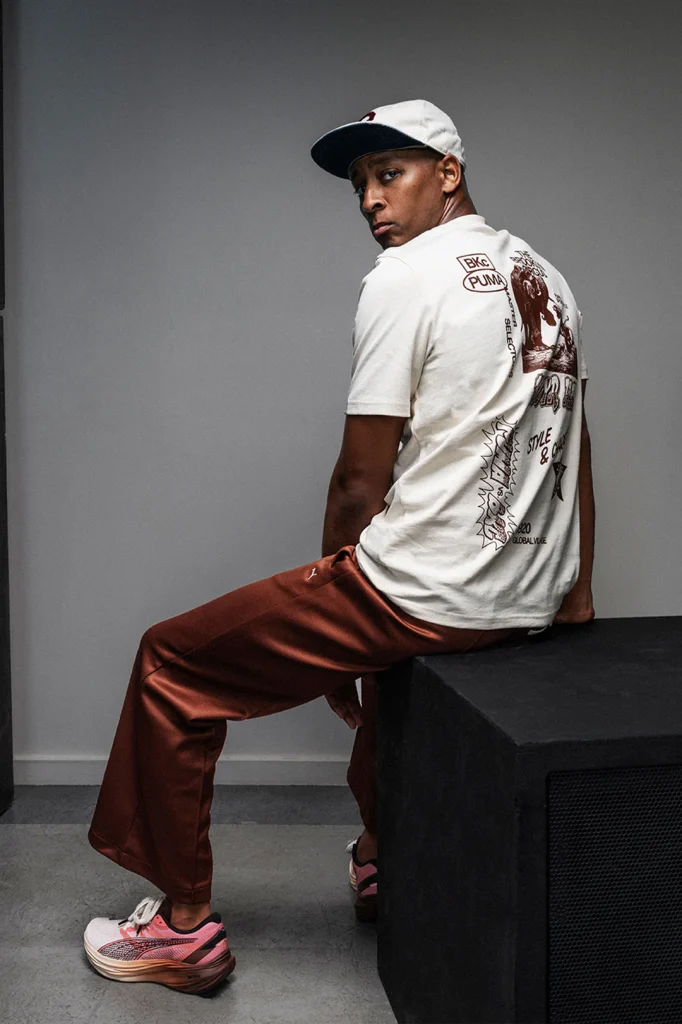
Additionally, BKc has made waves with collaborations that emphasize inclusivity and diversity. Notable collaborations include their work with Puma, which honored Caribbean-American communities and celebrated street culture. Another high-profile partnership with Gap showcased a blend of 1960s Black cultural motifs, celebrating iconic historical moments like the Cornell University student power movement.
These efforts highlight The Brooklyn Circus as not only a purveyor of stylish eco-friendly streetwear but also a brand committed to sustainable fashion practices and cultural storytelling.
Renowned LA
Renowned LA is a streetwear brand that integrates sustainability into its designs through thoughtful sourcing, with a focus on creating minimal environmental impact. The brand uses recycled fabrics, eco-friendly materials, and ensures ethical manufacturing practices, highlighting their commitment to reducing waste in the fashion industry. Their collections feature a range of eco-friendly streetwear staples like hoodies, sweatshirts, and T-shirts, crafted with a sustainable approach. Renowned LA has gained attention by publications such as Forbes, comparing it deeply against renowned (pun intended) brand Off-White.
The brand is praised for collaborating with celebrities such as DJ Snake and Tyga, further cementing its influence in the A-list world and as an eco-friendly fashion movement.
Circulate
Circulate is a unique streetwear brand that stands at the intersection of African-American culture, sustainability, and fashion. Founded in 2018, the brand draws inspiration from diverse historical, present, and future themes, creating clothing that embodies both cultural relevance and environmental consciousness. Their approach to sustainability is rooted in producing high-quality, durable garments that are designed to “circulate” within the community for years to come for an outstanding price. This reflects their commitment to being an eco-friendly streetwear brand that reduces waste and promotes longevity in fashion.
In terms of environmental impact, Circulate emphasizes sustainability by utilizing eco-friendly materials and production methods. This commitment is evident in their collaboration with PacSun to launch the “Circulate Market,” a concept shop featuring Black-owned brands. This initiative not only promotes sustainable fashion but also supports and elevates African American culture within the industry.
Additionally, Circulate has collaborated with other notable brands and artists, including the “Money Merch” collaboration with screen printing studios. These partnerships highlight their community-driven ethos, further promoting sustainability and culture within streetwear. Through these efforts, Circulate continues to leave a lasting impact on both the fashion industry and the broader cultural landscape.
Black-owned eco-friendly streetwear brands are paving the way for a new wave of fashion that is both stylish and responsible. By blending eco-conscious practices with cultural storytelling, these brands not only offer high-quality, timeless streetwear but also house a more inclusive and ethical fashion industry.
From upcycled materials to small-batch production, brands like Sami Miro Vintage, Circulate, and The Brooklyn Circus are leading the charge in reducing fashion’s environmental footprint while celebrating Black culture and creativity.
Supporting these brands means supporting both sustainability and diversity, ensuring that fashion remains a positive force for social and environmental change. As the industry continues to evolve, these brands remind us that fashion can—and should—reflect our values and our commitment to a more sustainable future.
About The Writer
[simple-author-box]
Share this post
NEWEST READS
Ready to Workout? Here Are 4 Black Owned Athleisure Brands To Shop With
Don’t Be Racist: Drawing the Line Between Fashionable and Racism with the 2025 Met Gala Theme
According To Black Gen-Zers: These Are The Fashion Trends To Watch Out For
Worried About the Port Strike? Here are 5 Tips to Make Sure Your Business Doesn’t Suffer This Upcoming Holiday Season
Our Favorite Black Fashion Influencers Of The Week Vol. 4
WATCH A.TV
WATCH A.TV
POPULAR READS
Our Favorite Looks From The Academy Museum Gala
According to ChatGPT: Corporate Fashion Severely Lacks Diversity – Still
Mcdonald’s Partners With Elaine Welteroth For Black & Positively Golden Change Of Fashion Program
Our Favorite Black Fashion Influencers Of The Week Vol. 3
Why Fast Fashion Companies Are Detrimental, Especially To Black Fashion Creatives
LISTEN
Latest Epsiode: Bonus Episode
ADVISOR. RECOMMENDS
Our Favorite Looks From The Academy Museum Gala
According to ChatGPT: Corporate Fashion Severely Lacks Diversity – Still
Mcdonald’s Partners With Elaine Welteroth For Black & Positively Golden Change Of Fashion Program
Style Black culture has always influenced the majority of the fashion trends and scopes that are popular in this day and age. Looking forward, now Read More