No products in the cart.



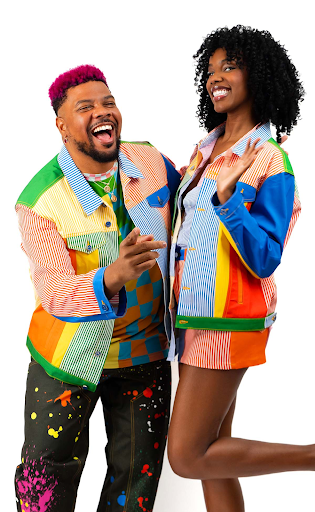
Featured Image Credit: Kiki The Brand
In 2025, sustainable fashion is no longer a niche concern.The environmental consequences of clothing production and disposal have become increasingly visible to the public. According to the Geneva Environment Network, “the fashion industry is the second-biggest consumer of water and is responsible for 2–8% of global carbon emissions.” Despite improvements in water and energy efficiency, the constant growth of fashion production, sales, and waste continues to outweigh these gains.
Increased consumer awareness has not always translated into action. According to an episode of The McKinsey Podcast, there is a growing disconnect between consumer expectations and actual behaviors. Many shoppers say they want sustainable options but hesitate to pay more.
Despite this, many Black consumers and designers are driving sustainable fashion trends and pushing for change.
While the terminology of “environmentalism” and “sustainability” is relatively modern, Rosanita Ratcliff wrote for VISIBLE Magazine that these concepts have long been practiced in many Black communities. Ratcliff explained that sustainability, or making the most of what you have, was historically practiced by many Black households out of necessity.
Furthermore, many Black activists were instrumental in leading and building the environmental justice movement, which gained national momentum in the late 1970s amid growing environmental discourse.
Fast-forward about 20 years: according to the American University of Paris, the 1990s marked the birth of fast fashion. Brands like Zara were scrutinized by The New York Times for their rapid production cycles and business practices. This led to increased transparency and public disclosure about practices within various parts of the fashion industry, prompting some consumers to change their spending habits and decision-making.
According to the Rolling Stone Culture Council, “conscious consumerism involves making purchasing decisions based on the social, environmental, and ethical impacts of the products” people buy.
Conscious fashion consumers might consider how clothing is made, what materials are used, who makes the garments, and what happens to them after use.
Many Black consumers are among the drivers of sustainable fashion practices. According to The Jembe, a 2021 survey by McKinsey & Company found that nearly 50 percent of Black consumers actively seek out brands that reflect their values, including sustainability, a higher percentage than in the general population.
In Black People Are the Blueprint for Sustainability in Fashion, author Venesa Coger wrote that many items and goods in her household were reused or passed down. Coger said she learned lasting lessons from her parents about investing in quality and making clothing last. Today, those experiences inform how she shops with intention to be sustainable.
According to The Jembe, there is a generational shift in how sustainability is understood and practiced within the Black community. “While earlier generations practiced sustainability primarily out of economic necessity, today’s Black consumers, particularly the younger demographic, are increasingly driven by environmental and ethical considerations.”
A 2020 Nielsen report cited by The Jembe shows that younger Black consumers, particularly those aged 18 to 34, are leading this movement, with 75 percent willing to pay more for eco-friendly products compared to 60 percent of those aged 35 and older.
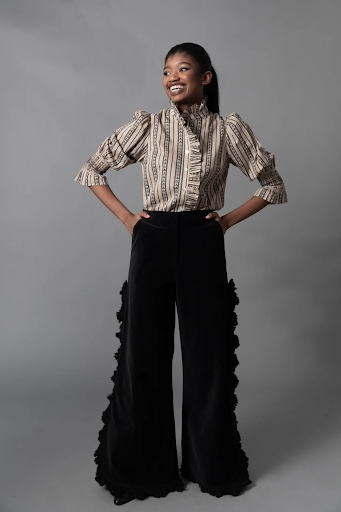
In the past five years, many Black-owned sustainable fashion brands have gained recognition through collaborations and editorial features. For example, in February, GAP collaborated with Harlem’s Fashion Row and six Black designers, including brothers Bruce and Glen Proctor of the sustainable fashion brand BruceGlen.
Consumers also play a role in promoting these brands by curating and sharing lists. For example, The Sustainable Baddie posted a list of 14 sustainable Black-owned brands, including Kiki the Brand, Rendoll, and Wildly Black. Additionally, Reddit user Cadence210 shared an “Ethical Product Catalogue” on the r/ethicalfashion subreddit.
Sustainable practices such as repurposing secondhand and vintage clothing are exemplified by Thrilling. Featured in These Black-Owned Clothing Brands Are All About Sustainable, Secondhand, and Ethical Fashion, Thrilling sources vintage and secondhand wardrobe pieces for “brands, retailers, costume designers, and film/TV studios,” according to its website.
On the informational front, organizations like BLACK PEARL work to inspire and educate. According to their website, “BLACK PEARL is a cultural sustainability agency working across fashion, music, and entertainment to inspire, educate, and bring joy to sustainability,” helping designers, creatives, and celebrities build greater awareness about sustainability and environmental consciousness.
The sustainable fashion movement is not without its flaws. As sustainable fashion advocate and designer Vanessa Chambers said in an interview, issues such as greenwashing, whitewashing, and classist stigmas around secondhand clothing continue to undermine the movement’s integrity. Recognizing the longstanding sustainable practices within many Black communities and uplifting the Black designers and consumers leading the way can be a step toward creating a more equitable future in fashion.
[simple-author-box]
Business Brandon Blackwood NYC is celebrating ten years of success, from the viral End Systemic Racism tote to a history-making American Airlines partnership. His journey Read More

Style The 90s and 2000s bandage dress is back—but this time, Black designers are reinventing it with bold cuts, cultural storytelling, and a modern edge Read More
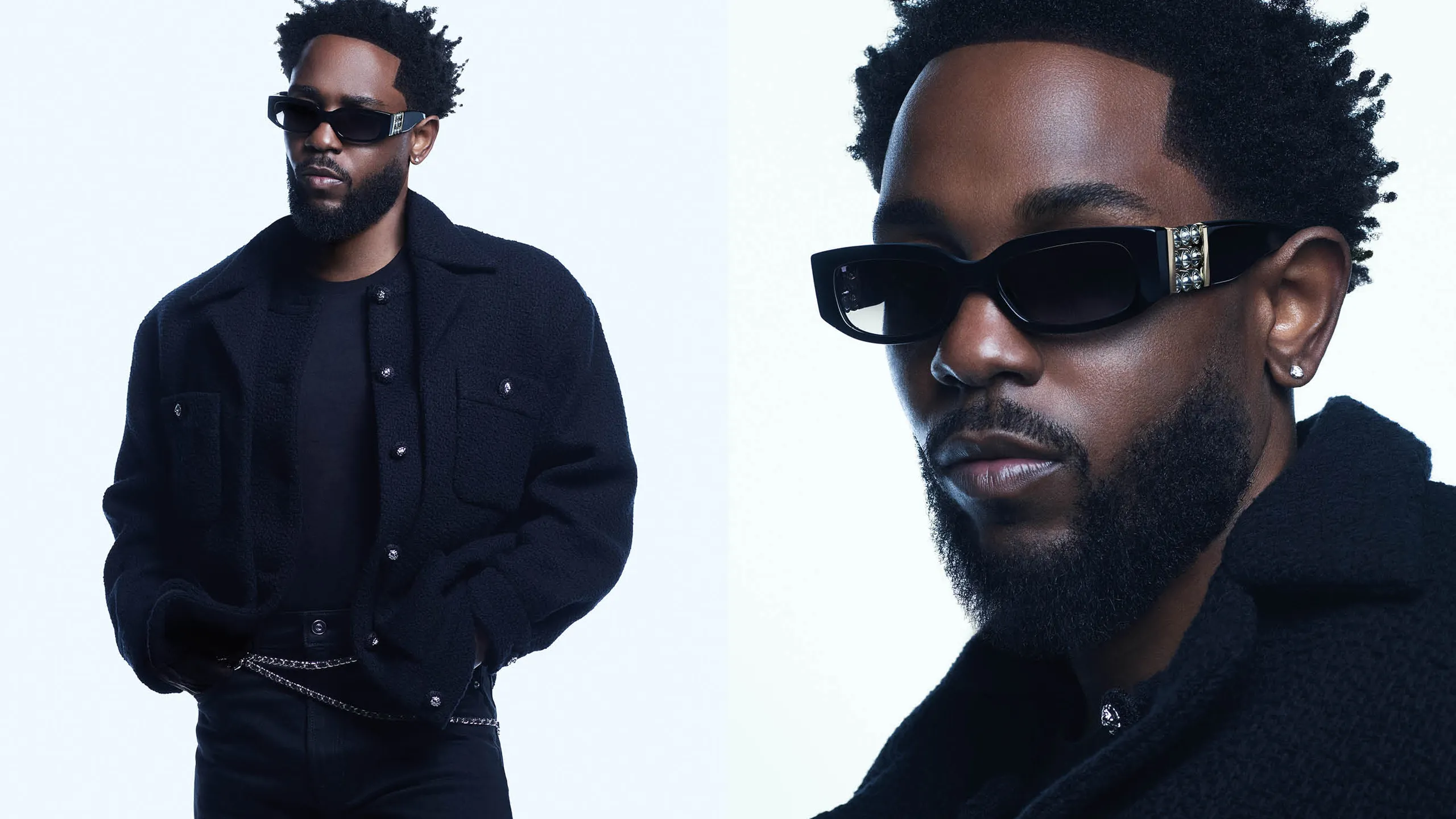
Luxury As luxury fashion embraces Black men in campaigns, a deeper question emerges—are they being fully seen or simply styled into the same streetwear mold? Read More
