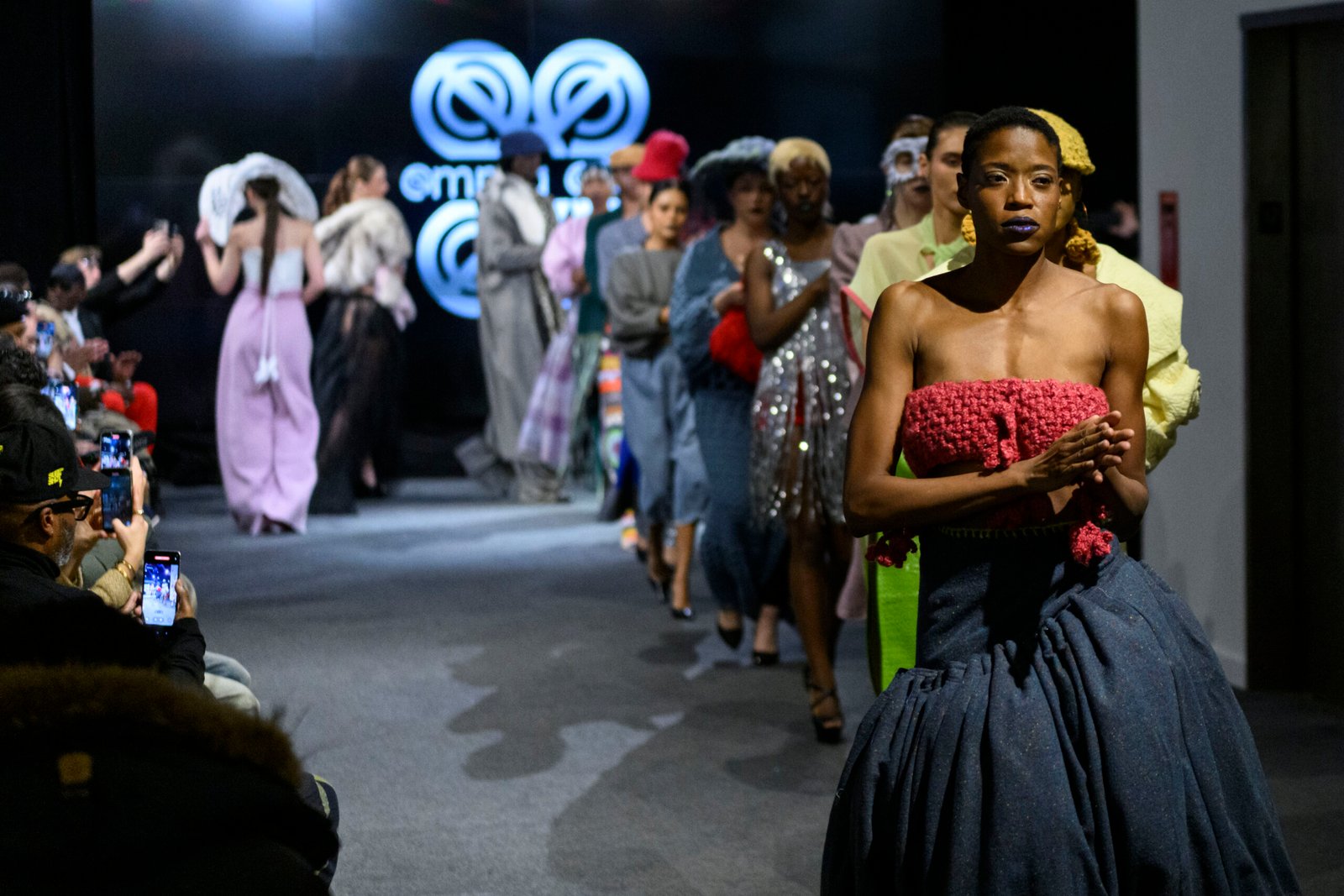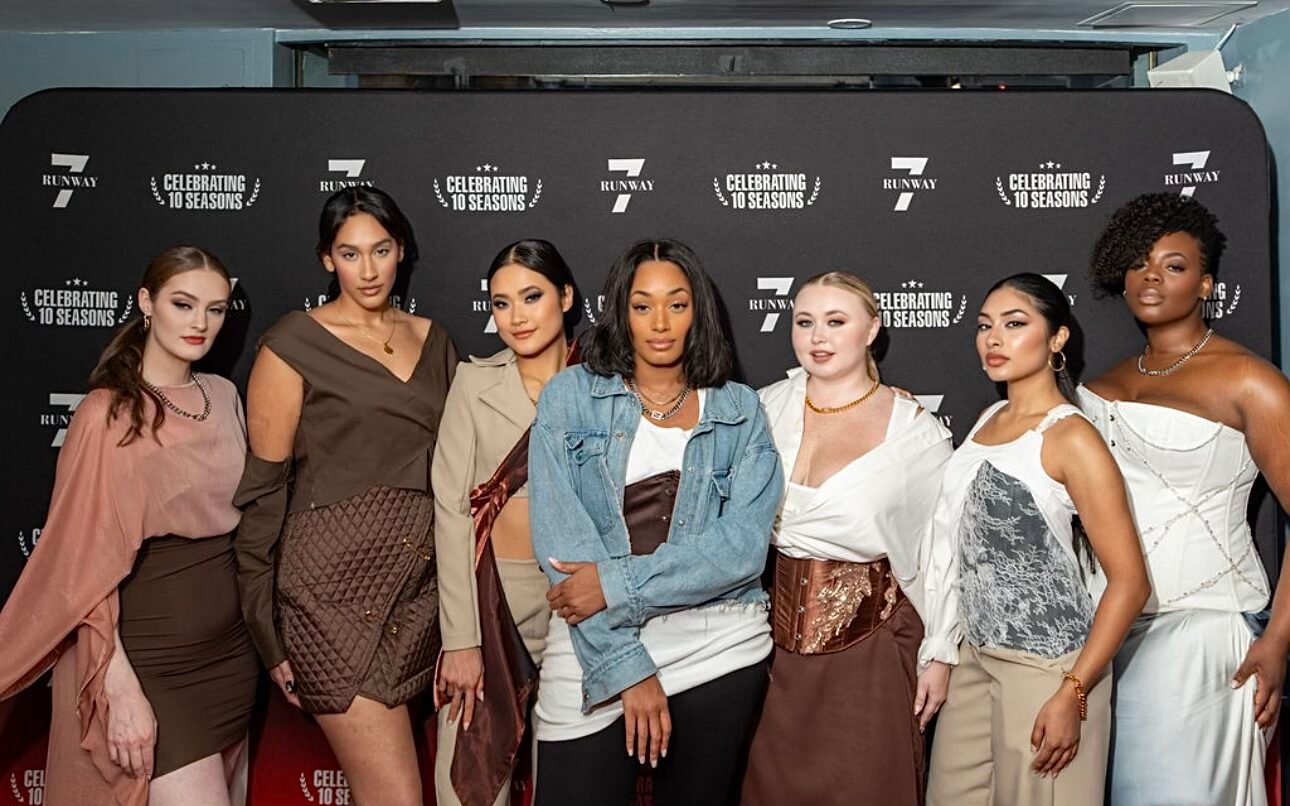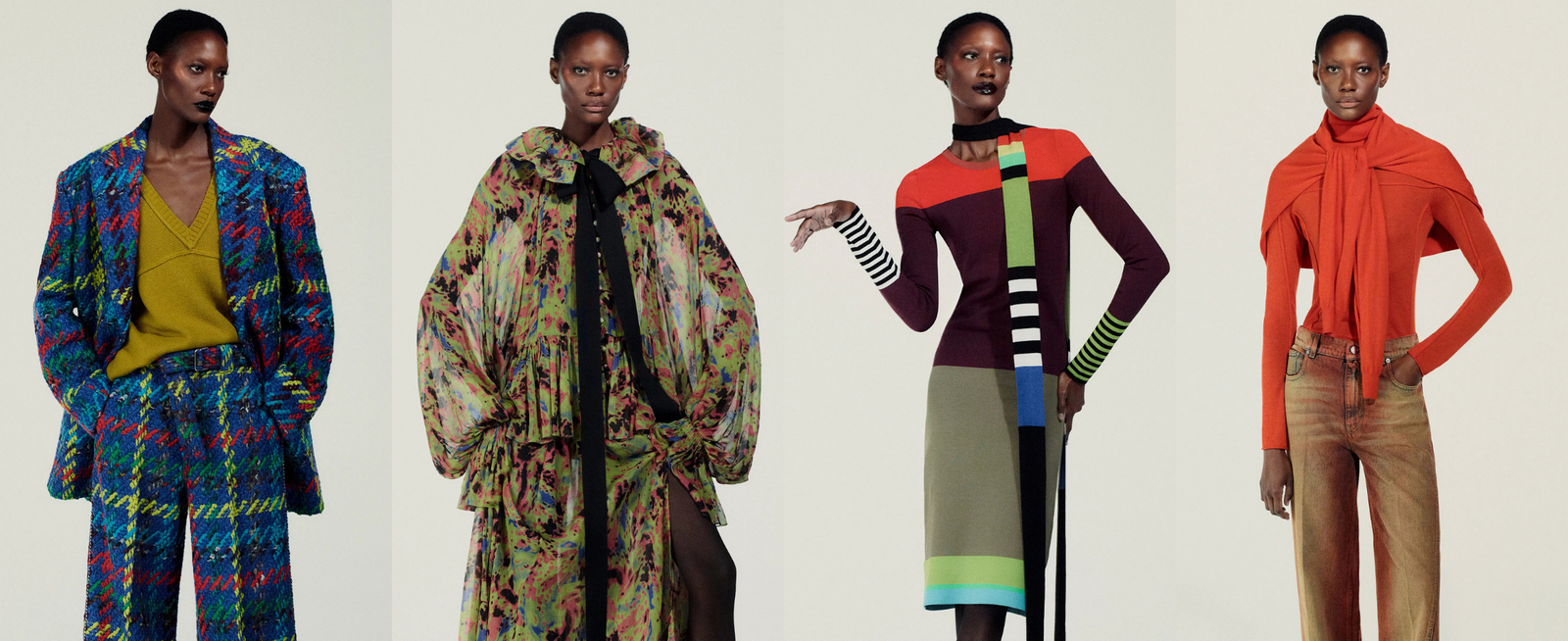







“Streetwear isn’t what it used to be.”
No it isn’t, but that doesn’t mean that it’s dying.
The bigger picture is that this sub-genre of fashion is ever-evolving. It’s in a constant state of change, which makes it so authentic.
Growing up in the 2000’s as a young Mexican girl, I was able to experience many different phases of streetwear. Then I realized, streetwear is my life.
I always struggled with wanting to be pretty but simultaneously be able to dress like all of my idols. (Travis Scott, Yung Lean, ASAP Rocky)
Then as the 2000’s passed, I saw beautiful women such as Missy Elliot and Rihanna showing up to red carpets dripped out in high-end designer formed baggy or oversized silhouette. Exactly what I always pictured myself looking like.
That’s what streetwear is, a sense of belonging.
Rounded Up By The Hundreds
One of the most educational and admirable people in the streetwear industry to me is one of the founders of the staple streetwear brands “The Hundreds”, Bobby Kim, best known as Bobby Hundreds. I had seen that infamous small bomb in each closet of every boy I knew, but I also had it in mine.
After reading one of Bobby’s books, This Is Not A T-Shirt, I felt seen, heard, understood, but most of all, educated.
“Streetwear dies every night, but it is subsequently reborn and renewed by the morning.” (Hundreds, xxii)
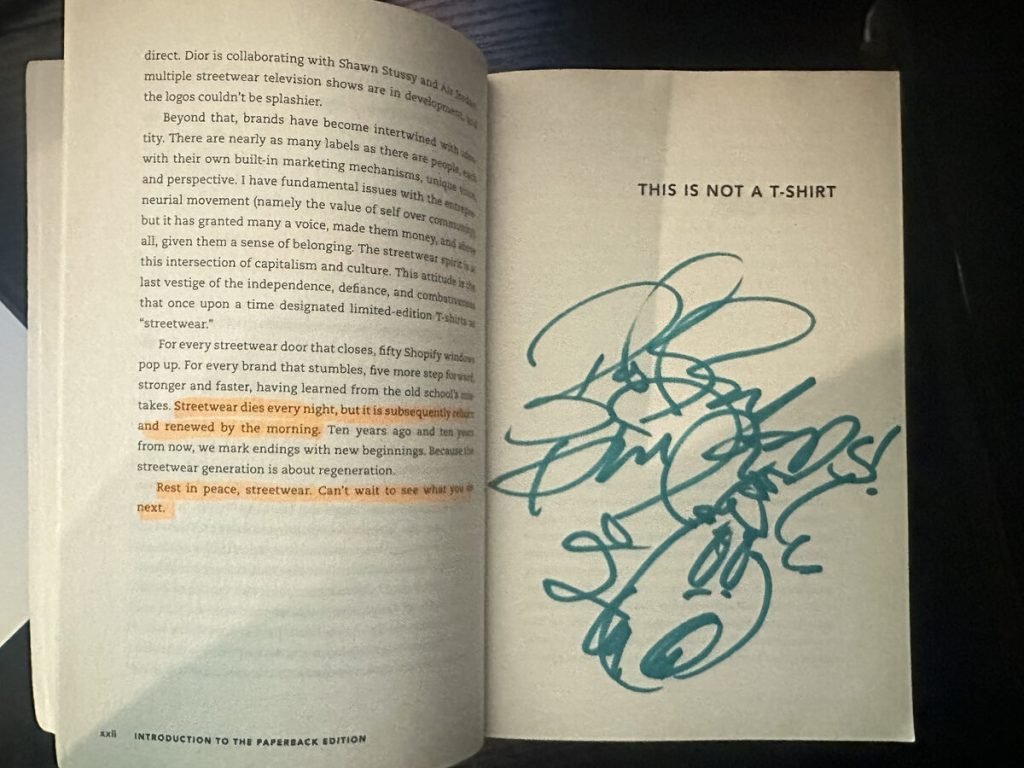
This compelling quote sits next to an autograph from Bobby and a quick drawing of the famous Adam Bomb he drew as he quickly signed my book.
As a pioneer is the streetwear community, Bobby Hundreds is a testament as to why streetwear will never die. He’s walking proof that expressionism, trials, failure, consistency, passion but most of all, community is what keeps the game alive.
So now, streetwear is more alive than ever, and it’s evolving. Streetwear is no longer limited to t-shirts, hoodies, wide leg pants, and oversized silhouettes. From the 80’s to the early 00’s, streetwear wasn’t even really a societal concept, but it existed within minority cultures.
For years the minority communities have and continue to be some of the most influential in fashion. Therefore, inspiration from “the streets” has transformed what higher fashion houses and brands believe should dominate the runway.
What Is Everyone So Afraid Of?
It has now becomes a yearly headline that we cannot escape, “is streetwear dying”? It almost seems as if people WANT it to be over, but the fire is too big, and it won’t burn out.
Why? Because of the people behind it. The communities who are born into it, who admire it and live it every single day. To those who can’t afford high-end luxury brands, but still know how to style their clothes and swag themselves out. This is what keeps it alive, not the newest drop or collaborations between Louis Vuitton and Supreme. It’s the time waiting, camping outside of the store that we remember, not the 2 minute transaction.
Most fashion trends seem to have a short lifespan, each comes and goes. (Then comes back again in a couple years) It keeps the market moving and keeps creatives, designers, directors financially stable.
Yet this sub-genre of fashion seems to always be relevant. Have we finally found a trend that can live on it’s own, without the need for those six-figure positions? Maybe that’s what everyone is so afraid of.
It’s the fact that even if Dior and Balenciaga were to disappear tomorrow, the “never heard of” brands would still be in business. The t-shirts, hoodies, sneakers will always be in style, especially when it creates a sense of resonation, and costs less than half of your rent for the month.
We Are Streetwear
Ever since the 90’s, athletes and celebrities have been seen wearing clothing that is now considered streetwear. What that means is that even the people we idolize and have posters of in our room are expressing themselves the exact same way we are.
It’s an indication that at the end of the day, we are all just humans who want to convey ourselves through what we decide to drape around our physical vessels.
Streetwear is the $8 basketball jersey you found at the flea market today, then tomorrow it’s the $300 Jordan Jumpman Jack TR collab you saved up for. This dynamic range within this sub-genre of fashion displays the non-existent barriers in which it consists of.
Despite all the division within the world, communities that cultivated the streetwear look, won’t dissipate. We will always exist, therefore how can streetwear ever die?
No Beginning, No End
In every Youtube video, online article, book, piece of media, there won’t be a definitive answer as to when or where streetwear started. It’s similar to the Big Bang Theory, a huge collective of people ended up dressing a certain way and we just ended up calling it streetwear.
People say it started on the west coast surrounding skate and surf culture producing Stüssy. Some say it started on the east coast engulfed in skate culture which birthed Supreme and Zoo York. Then across the sea there are trailblazers such as Hiroshi Fujiwara and his prodigy Nigo.