No products in the cart.


Featured Image: iStock
Black women aren’t exhausted by style—they’re exhausted by the cycle. We create trend after trend, only for them to be extracted, sanitized, and sold back without credit or control. Cornrows, zoot suits, afros, acrylic nails, and grillz are just a few of the iconic style statements rooted in Black culture. We see them everywhere, from the block to the cover of Vogue, yet rarely—if ever—are their origins acknowledged or appreciated. This isn’t just cultural fatigue; it’s an urgent call for systemic change.
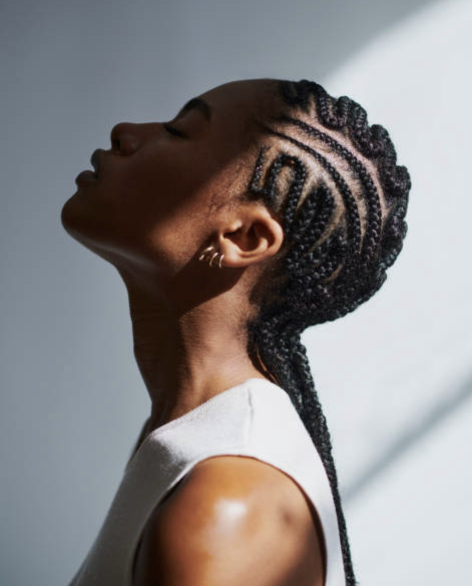
Cornrows have existed for over 3,000 years, originating in African communities as markers of tribe, social status, and even escape routes during slavery. During the Civil Rights era, the “Black is Beautiful” movement spotlighted women like the Grandassa Models, who embraced natural hair and African-inspired fashion as symbols of resistance and pride.
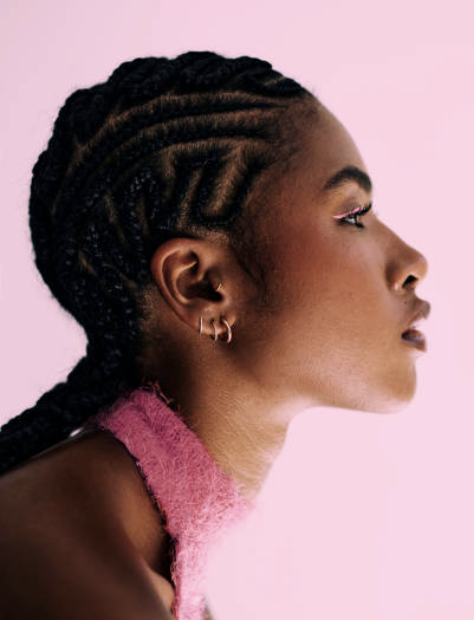
“When our ancestors were stripped of identity through colonization, hair was a major casualty… now that same style is celebrated when worn by a white person.”
Naresha Willis, designer
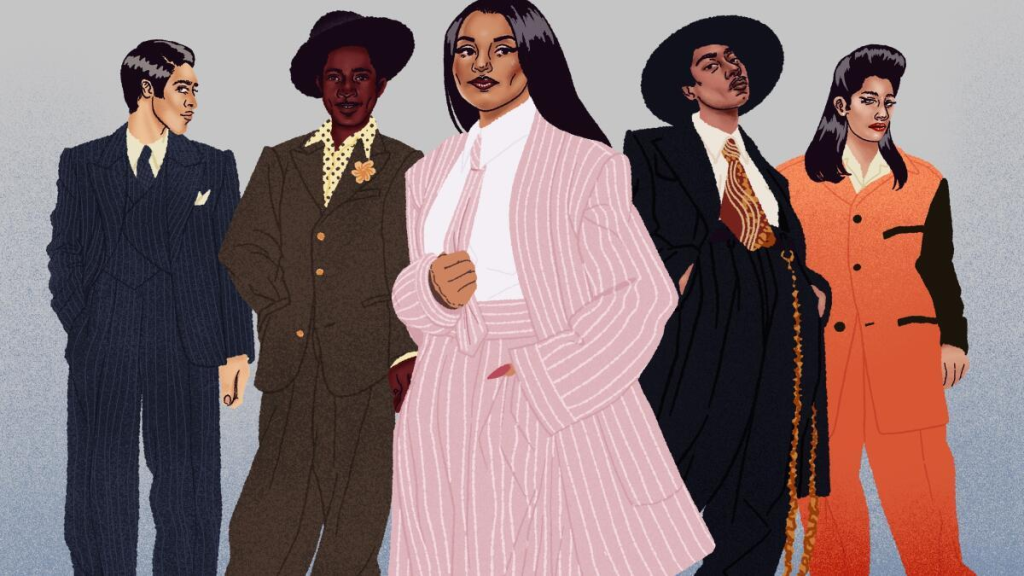
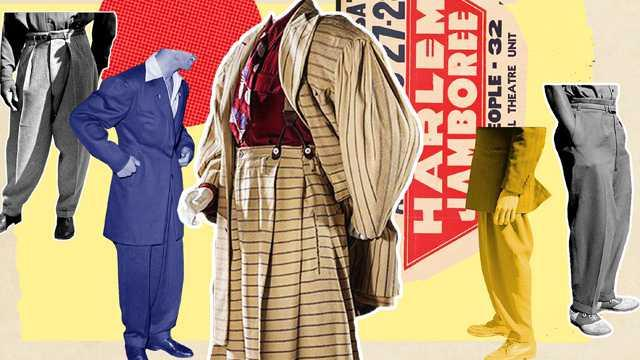
In the 1930s–50s, zoot suits—born in Harlem—emerged as political signifiers of youthful defiance and identity in Black communities. With their wide lapels and oversized jackets, zoot suits stood in direct opposition to the conservative, “respectable” dress codes of the time. They were worn as acts of cultural pride and resistance against racial prejudice.
Today’s celebrity culture rewrites these legacies—taking trends started by Black people, especially Black women, and claiming them as their own. Even when called out, there’s often no acknowledgment. Trends get rebranded to strip away any trace of Black history. When worn by Black women, these styles are labeled “unprofessional,” “ghetto,” or even “dangerous.” On white celebrities or models, they suddenly become “bold” or “high fashion,” celebrated by brands and the media. This double standard isn’t accidental—it reflects deep-seated discrimination and a refusal to honor originators.
“When celebrities today call cornrows ‘new’ or ‘edgy,’ they erase centuries of history and resilience.”
Lauren Michele Jackson, writer
Representation statistics paint the picture: Black consumers spend millions on fashion annually in the U.S., yet only about 5% of fashion advertising features Black models. Less than 10% of runway proposals include people of color, and only around 15% of leadership roles in fashion are held by women of color. Meanwhile, 70% of brands have no diversity in their executive teams, and many Black employees report feeling unseen or tokenized.
To break this cycle, Black fashion and beauty storytelling must move from tokenism to being centered and nuanced. Media should feature Black historians, stylists, and designers to connect trends to their cultural roots. Campaigns and runway shows must root aesthetics in history, not appropriation—ensuring Black designers and models are not just visible but indispensable.
Black women aren’t tired of fashion—we’re tired of exploitation. Tired of being invisible designers yet hyper-visible muses. Tired of being penalized for wearing our own culture, while others are celebrated for the same thing. Real change requires moving beyond performative representation toward redistributing creative power and ownership. It means narrative accountability, investing in Black-led brands, and acknowledging that Black style is never a trend—it’s a legacy.
Until the next wave is one where Black women lead, the cycle will repeat—and the fatigue will remain. Fashion’s future depends on learning our history and acting with justice.
Sources That Helped Bring This Article To You
[simple-author-box]

Luxury As luxury fashion embraces Black men in campaigns, a deeper question emerges—are they being fully seen or simply styled into the same streetwear mold? Read More
Interviews Teddy Phillips redefines spirituality and style by transforming bib- lical figures into high-fashion icons, weaving Black culture, luxury couture, and divine narratives into a Read More