





Article / The Culprit: Why Beauty is Going Body

The Culprit: Why Beauty is Going Body

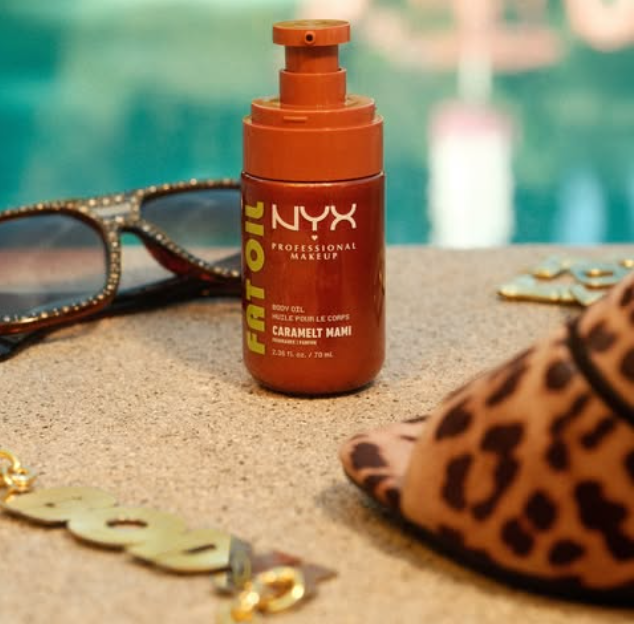
Beauty is going body with makeup first brands launching more and more body care. Brands that once focused almost exclusively on the face are now investing in body products. NYX Professional Makeup recently expanded its Fat Oil collection into body care releasing the “Fat Oil Body” endorsed by the hot girl herself Meg thee Stallion. Fenty Beauty expanded their category from bronzing drops that lean more toward cosmetics to the Butta Drop Hydrating Body Butta and Milk, products that treat the body as an extension of the beauty routine rather than an afterthought. The rise of body care isn’t a coincidence. It’s a reflection of a broader cultural shift toward longevity. 
 

Longevity has shifted how consumers think about aging. Instead of asking, “How do I look younger?” people are increasingly asking, “How do I age better?” The conversation has expanded beyond wrinkles and fine lines to include prevention, inflammation, recovery, and overall well-being. As consumers adopt a more holistic view of aging, brands are being forced to do the same.

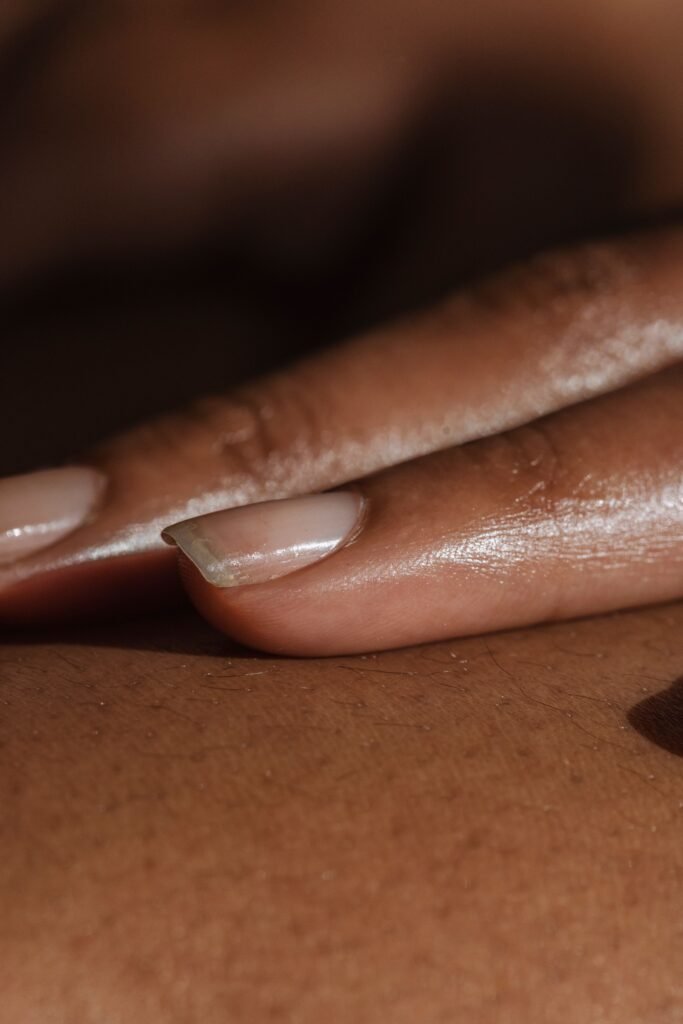
 

For years, beauty treated the body as secondary. The face got the innovation, serums, actives and the anti-aging ingredients. The body got whatever lotion happened to be sitting closest to the checkout aisle. Body care was centered around fragrance, hydration, and sensory experience. Today’s launches sound more like facial skincare. The body isn’t just being moisturized anymore. It’s being treated. Across the industry, body serums, body retinols, peptide infused lotions, and treatment focused body products are becoming increasingly common. 

For years, anti-aging was largely a facial concern. Consumers invested in serums for crow’s feet, treatments for forehead lines, and creams for firmness around the jawline. But longevity expanded the conversation. If aging is happening throughout the body, why would treatment stop at the face? The neck, chest, hands, and body have officially entered the chat. Consumers are beginning to think about skin as one continuous organ rather than a collection of separate categories, and brands are responding accordingly.

What was once a niche conversation about living longer is now influencing everything from supplements to skincare. Longevity changed how consumers think about aging, and body care is one of the first categories reflecting that shift. The consumer has changed. People no longer view the body as separate from beauty. They understand that skin is skin, whether it’s on your face, neck, chest, or legs. If longevity is about preserving and supporting the body over time, then it makes sense that body care would become one of beauty’s fastest-growing categories. The numbers certainly suggest that’s the case: the global body care market is valued at approximately $77–$81 billion and is projected to surpass $103 billion by 2031. Aging is no longer being viewed as something that happens exclusively on the face. Consumers are increasingly thinking about skin elasticity, inflammation, recovery, and overall wellness as interconnected parts of the same conversation. Once longevity became a full-body discussion, beauty had no choice but to follow.

The body may be beauty’s newest obsession, but the real story is what caused the shift. Beauty isn’t just chasing softness, glow, or aesthetics anymore. It’s chasing longevity.


Share this post
Kendal Waddell

Leave a Reply

Your email address will not be published. Required fields are marked *

Looking for the latest issue?
Subscribe.

I’m sharing exactly what’s going on with the basement design project
right now and what’s happening next.

Related Posts

Sound & Style Presents: Selasi
Discover Brooklyn-born, London-bred DJ Selasi in Advisor. Magazine’s Sound & Style series, where soulful sounds, Afro-electronic music, and cultural storytelling come together through intentional
Sound & Style Presents: K3
Discover London-based DJ K3 in Advisor. Magazine’s Sound & Style series, where Amapiano, Afro-electronic music, and contemporary style intersect through a distinctly global cultural
Previous
Next
Subscribe
Join our newsletter and get the latest news and articles sent straight to your inbox weekly.