



The beauty industry has never been more crowded. Celebrity brands launch almost weekly, influencers have become founders, and consumers have more choices than ever before. In a market driven by constant newness, even the most established brands aren’t immune to change.
That’s what makes the story of Pat McGrath Labs so significant.
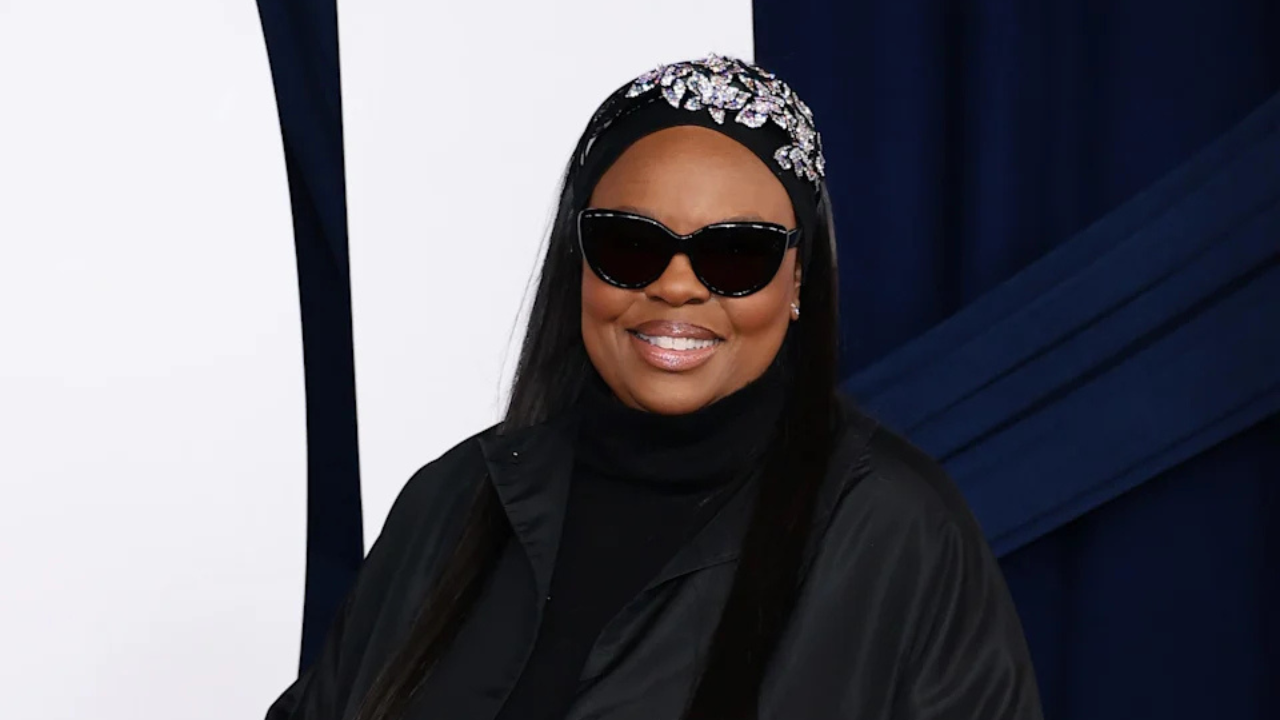
Founded in 2015 by legendary makeup artist Pat McGrath, the brand quickly became one of beauty’s greatest success stories, reaching a valuation of more than $1 billion within two years. Today, the company is entering a new chapter following Chapter 11 bankruptcy proceedings, financial restructuring, and its acquisition by GDA Luma. While McGrath will remain involved as Chief Creative Officer, the transition raises a larger question: What does this moment mean for the future of Black-owned luxury beauty brands?
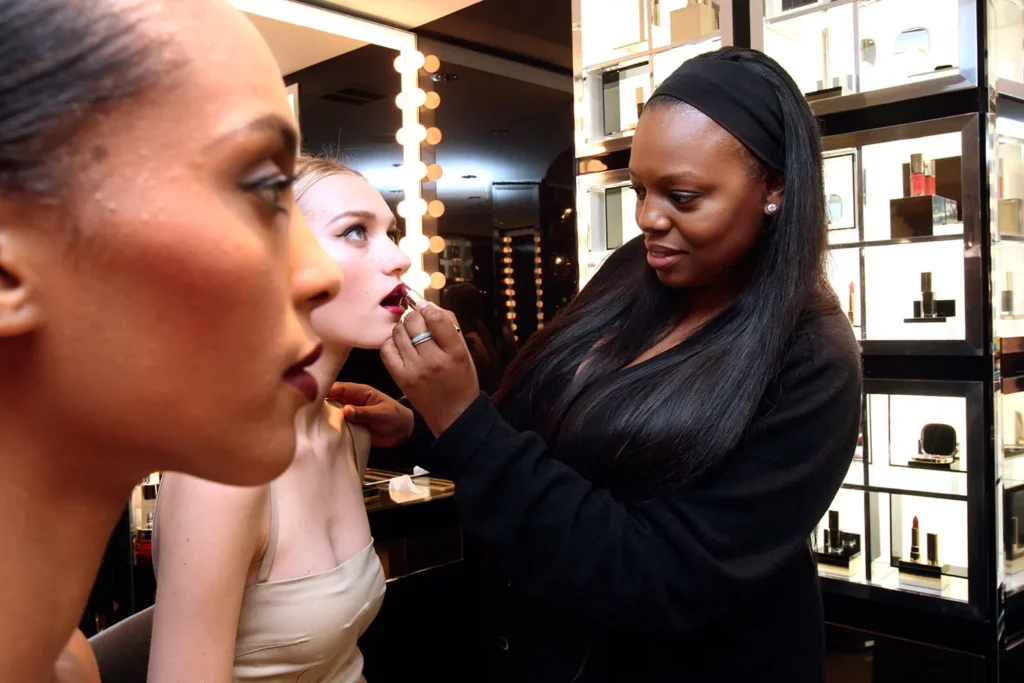
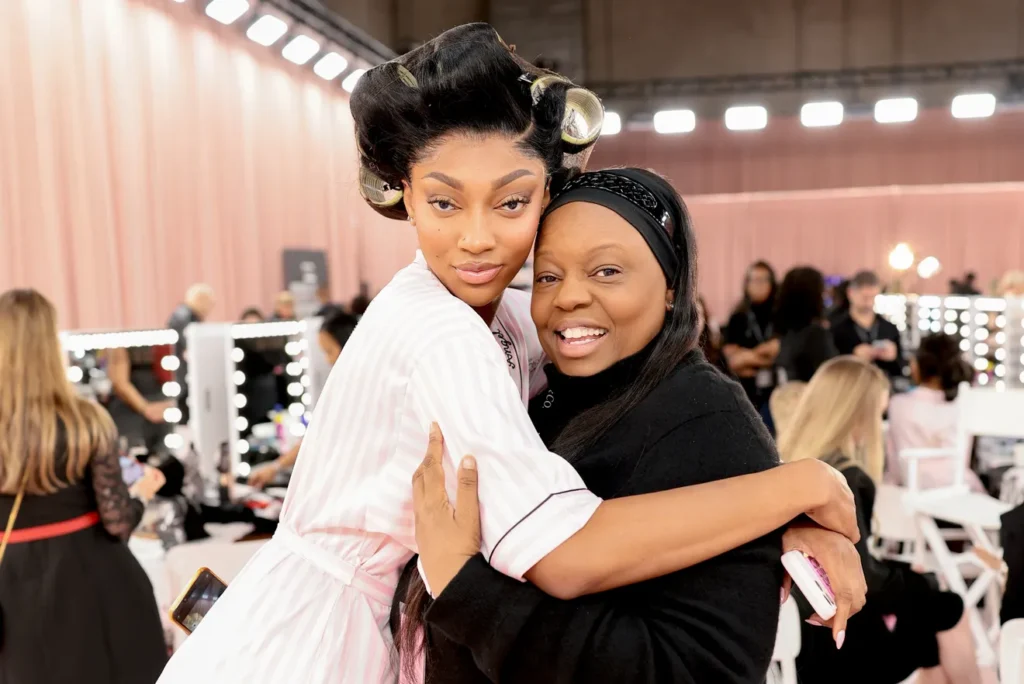
Few names carry as much influence in beauty as Pat McGrath. Long before launching her namesake brand, she transformed runway beauty through her work with fashion houses including Valentino, Prada, and Louis Vuitton while becoming one of the industry’s most respected creative forces. Her artistry helped redefine beauty standards by championing bold color, editorial experimentation, and makeup that celebrated deeper skin tones at a time when many mainstream products failed to do so.
Because of that legacy, the restructuring of Pat McGrath Labs feels particularly significant. This is not simply the story of one company facing financial challenges. It reflects the increasingly difficult environment even established brands must navigate as consumer behavior, investment priorities, and the beauty marketplace continue to evolve.
The beauty industry today looks dramatically different than it did when Pat McGrath Labs launched. Founder-led marketing has become increasingly influential, with consumers often developing relationships with personalities as much as products. Platforms like TikTok and Instagram have shifted purchasing behavior toward creators who consistently appear alongside their brands. While Pat McGrath remains one of the industry’s most celebrated makeup artists, the brand historically positioned its products—not its founder—as the primary focus of its marketing. Whether that shift contributed to recent challenges is difficult to quantify, but it illustrates how quickly beauty marketing has evolved over the last decade.
At the same time, the industry has become increasingly saturated. Celebrity beauty brands, influencer-led companies, and rapidly produced “dupe” products have intensified competition at nearly every price point. Consumers are also shopping differently, often prioritizing immediate availability, affordability, and viral products over the slower, highly anticipated launch cycles that once helped define luxury beauty.
Perhaps the most compelling conversation, however, centers on luxury itself.
Luxury has long been associated with craftsmanship, exclusivity, and premium pricing. Yet Black-owned luxury brands are often expected to justify those prices in ways their counterparts are not. Consumers frequently question why Pat McGrath Labs products command luxury price points while rarely applying the same scrutiny to established European beauty houses or legacy prestige brands. That expectation creates a difficult balancing act for Black founders who seek to compete in the premium market while also navigating pressure to remain financially accessible to their communities.
The conversation extends beyond one brand. As more Black entrepreneurs build businesses positioned as luxury rather than mass-market, questions surrounding value, accessibility, and consumer expectations will continue to shape how these brands grow.
This moment also arrives during a period of changing corporate priorities. In recent years, many Black-owned beauty brands benefited from increased visibility as retailers and investors expanded their commitments to diversity. While those initiatives created meaningful opportunities, the industry’s shifting economic landscape has forced many companies to reevaluate priorities, creating a more competitive environment for emerging and independent brands alike.
For founders, long-term sustainability increasingly depends on more than securing shelf space or achieving viral success. Access to investment, operational stability, consumer loyalty, and the ability to adapt to changing market conditions have become just as critical as product innovation.
Supporting Black-owned beauty brands remains one way consumers can influence which businesses continue to grow and receive long-term investment. As competition for retail space and funding intensifies, sustained consumer support becomes increasingly important—not only for established companies but for the next generation of Black founders working to build lasting brands.
While Pat McGrath will remain involved with the company she built, its next chapter extends beyond one founder or one brand. It represents a broader turning point for Black luxury beauty. Success is no longer measured simply by launching products or securing national retail distribution. The greater challenge is building companies that can withstand changing markets while preserving the creative vision that made them successful in the first place.
Pat McGrath Labs may be entering a new era, but the questions raised by its journey are likely to shape conversations about Black beauty, luxury, and legacy for years to come.