No products in the cart.



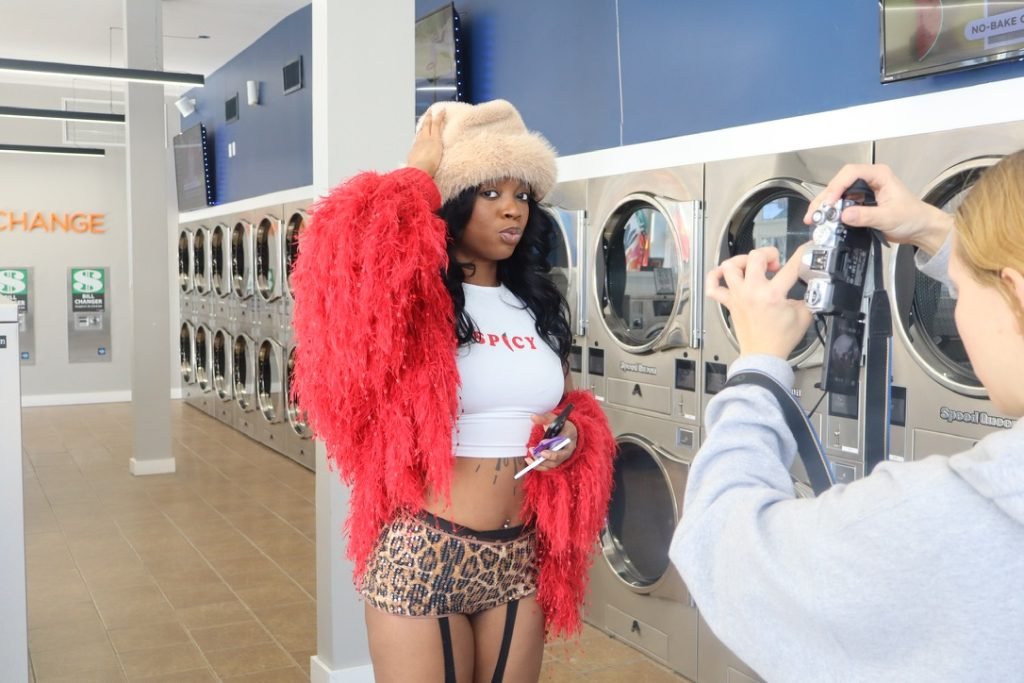
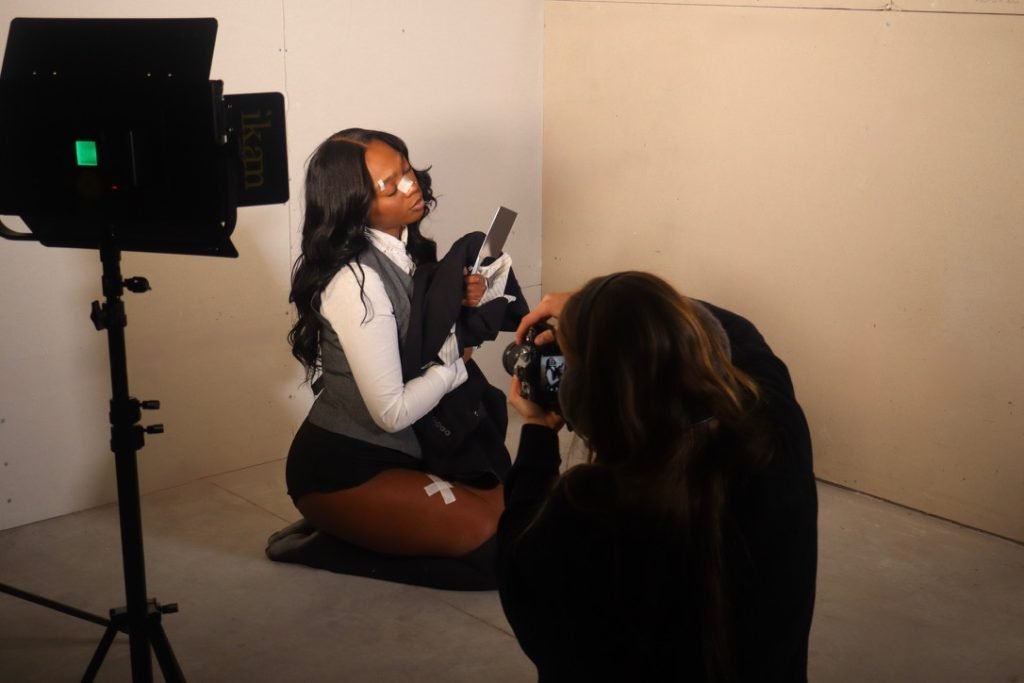
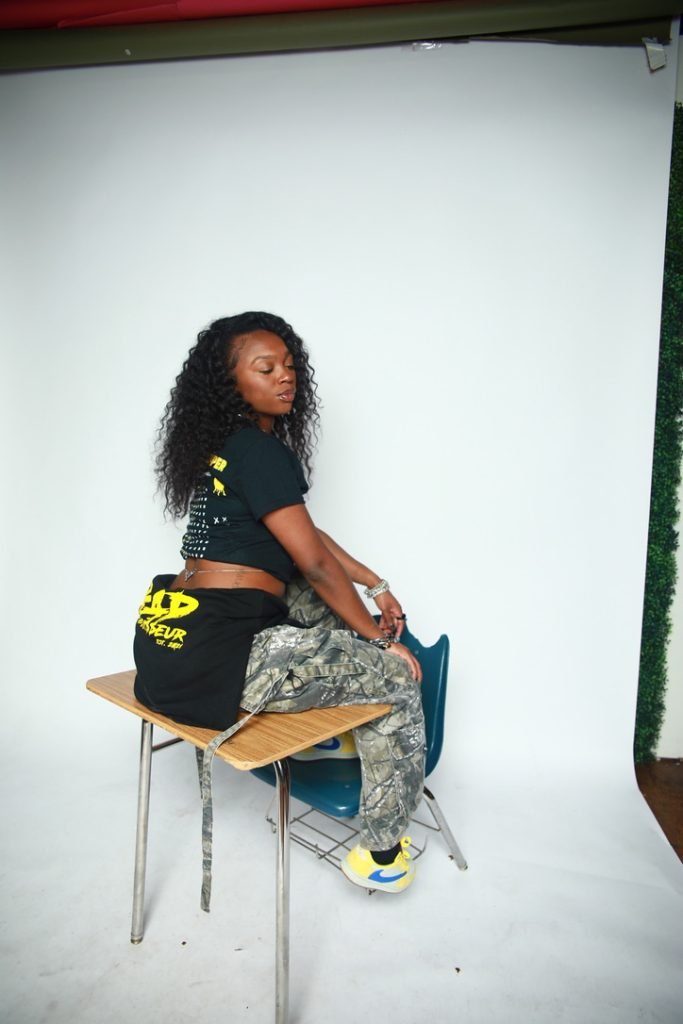
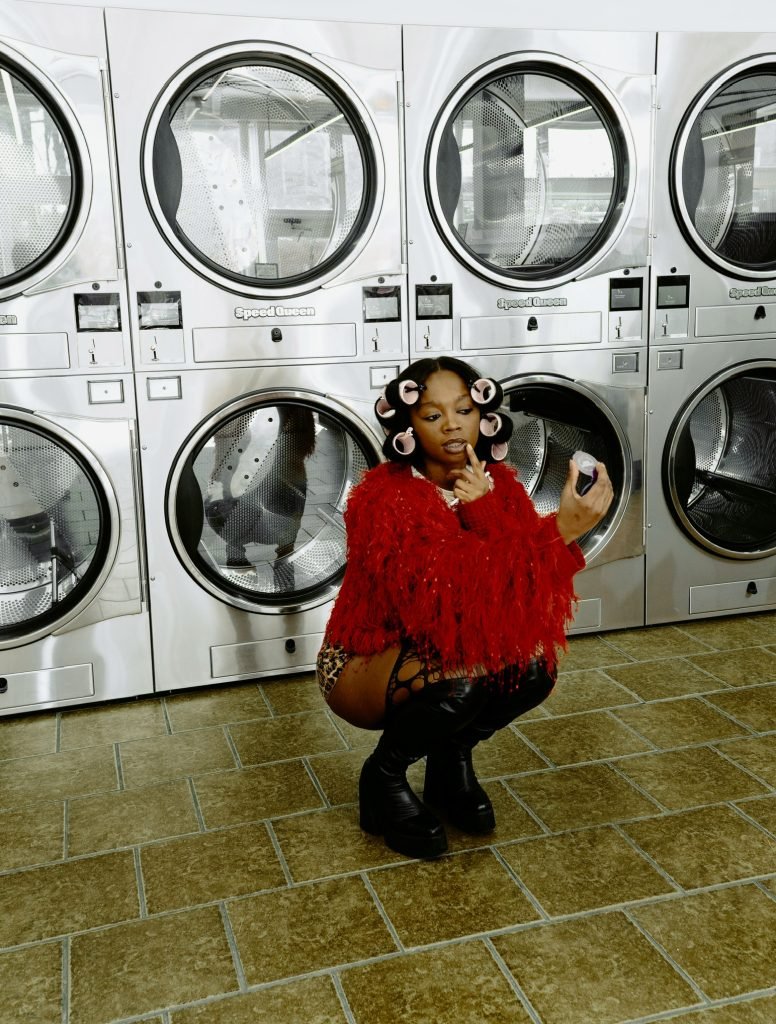
Welcome back to our Emerging Series – where we highlight emerging fashion creatives in hopes that through this series, the support of our community and ecosystem grows for Black fashion. Today, we introduce to you to Cash from St. Louis, MO!
As a young Wall Street professional, Tina Wright wore heels and flats daily for work, but her thin feet made it difficult to find good fitting shoes. She would constantly walk out of her shoes. Tina started with band aids and then tried every heel insert available from gel and silicone to grip and foam heel inserts to make her shoes fit better and be more comfortable.
Nothing worked or lasted. All of the inserts or grips would come off with more wear, and she
was spending more and more money to replace them. Eventually, she reduced the amount of
time she wore dress shoes for work and resigned herself to wearing mules and clogs, not the
most professional of shoes.
As a mother, her toddler inherited her thin feet and was also experiencing heel slippage in
every shoe except a lace-up or Mary Jane shoe with a Velcro strap. It was now a struggle for
both of them. Seeing an opportunity, Tina began experimenting with her daughter’s shoes first and realized that a “strap” inserted into the shoe would effectively remedy the problem of heel slippage creating a more custom fit. Thus, The Heel Sling™ was conceived and Tina started GRRIPP Industries.
Advisor.: In your own words, what problem does The Heel Sling™ solve—and why hasn’t anyone solved it until now?
Tina: “The Heel Sling™ solves the common but often overlooked problem of heel slippage—when your foot lifts out of the back of your shoe while walking. This issue leads to blisters, instability, discomfort, and an insecure stride, especially in heels, loafers, and dress shoes. It affects everyone from brides and professionals to men in formalwear and kids with growing feet.
Until now, most solutions—like heel grips or insoles—have failed because they treat the shoe, not the actual problem. These products peel, add bulk, or don’t address the unique shape of each person’s heel. Mass-produced shoes rarely fit perfectly, and heel slippage is a direct result of that mismatch.
The Heel Sling™ works because it “anchors” the heel directly to the shoe, conforming to your unique foot shape rather than relying on generic inserts. It’s discreet, durable, and versatile enough for a range of shoe styles. For the first time, there’s a simple, effective solution that actually targets the cause—not just the symptoms—of heel slippage.”
Advisor.: What personal moment or experience pushed you from simply being frustrated with heel slippage to becoming an inventor?
Tina: “I believe limitations are where true creativity thrives. When working with sustainable materials, it’s less about what I can’t do and more about what I can create with what I have. I see constraints as an opportunity to innovate, whether that means experimenting with reworked fabrics in new ways, pushing the boundaries of garment design, or finding unexpected solutions to production challenges. Each limitation forces me to think out- side the box, which is the part I LOVE! This leads to one-of-a-kind pieces that wouldn’t exist if I had the luxury of un- limited resources. These constraints also align with my val- ues of mindful consumption and reducing waste, turning what might seem like a setback into a chance to create something fresh, resourceful, and meaningful.”
Advisor.: “As a multidisciplinary artist, you merge various mediums in your work. How does your approach to design shifts when working across different creative disciplines, and where do you see the strongest connections?
Cash: “As a multidisciplinary artist, I approach every project like I’m building a world of its own— each medium bringing its own vibe to the table. Whether I’m working with fashion, media production, event planning, or creative direction, the approach might shift a little, but the heart of it stays the same: making something that feels real and connected. Fashion, to me, is all about having fun and telling a story through fabric and uniform. Turn- ing something old or unloved into some- thing fresh excites me. I came up with the idea for Fly Club meetups and hit up my friends because event production is where can bring that energy to life by creating spaces where everyone feels welcomed, accepted and vibe and just experience something different. Media production is like the cherry and I get this same feeling when working in all creative disciplines I dive into.”
Advisor.: “Many brands approach sustainability as an afterthought, but for you, it seems to be an intrinsic part of your creative process. What sparked your commitment to conscious design?”
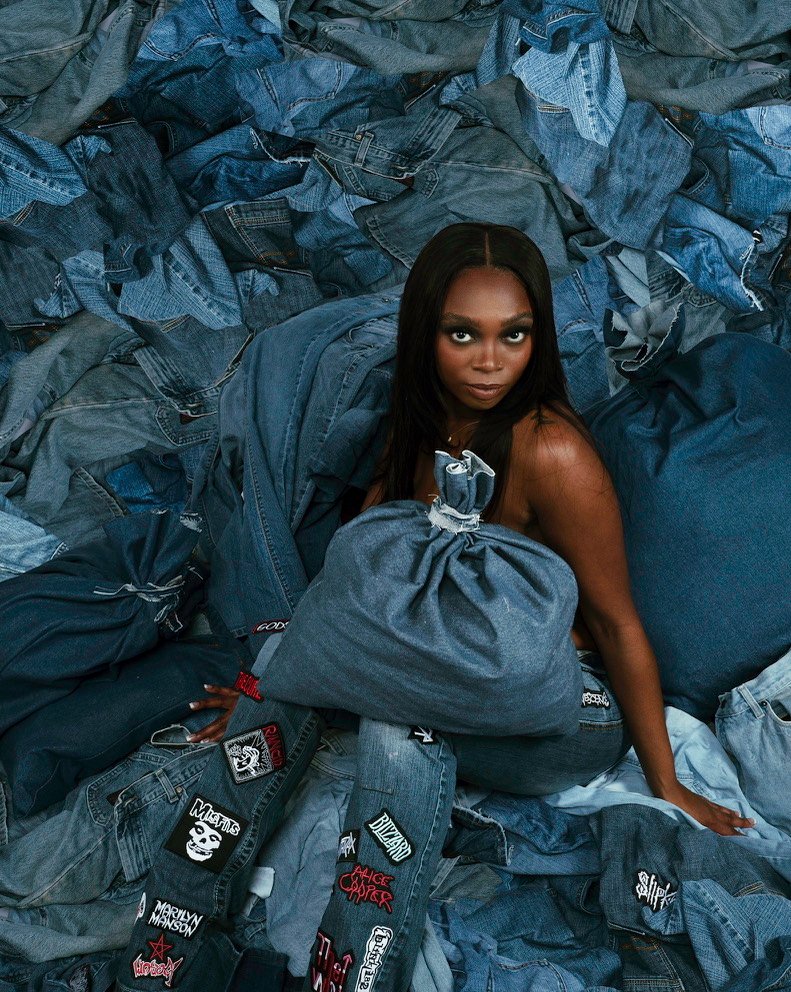
Cash: “Sustainability has always been at the core of my creative journey, even if it I didn’t fully recognize it until later. Growing up, I spent so much time thrift- ing (even though I didn’t know this was the name for it) with my dad;s mom and my older sister’s mom, discovering hidden gems that sparked my love for thrifting. My love for passion came from my mom and aunts, just seeing the way they would put pieces together instilled in me a sense of style and pride in how I present myself. I remember watching my mom and even playing dress up in her clothes— there was this sense of elegance and creativity that made me fall even deeper in love with clothes. My mom passed when I was 12, but even with me losing her at a young age, I carry that influence with everything I do.
In 2018, I launched SHOP: CALLCASH originally heat-pressing shirts and sourc- ing from vendors, but after going back to school at Webster University and creating my business plan, I realized how much I wanted to focus on reworking clothes and embracing sustainability. It was around that time I started noticing how quickly fast-fashion garments lose their quality and color. Watching thrift flip videos reignited something in me, and I reconnected with my childhood dream of being a fashion designer. It felt like a way to honor my mom’s spirit— transforming what already exists into something new and personal, just like she did with her fashion and life. This approach is about so much more than style, it’s about legacy, individuality, and creating something that’s authentic and one-of-a-kind but also eco-friendly.”
Advisor.: “Fashion and art have always been tools for cultural commentary. How do you use your work to challenge narratives or reshape how people think about sustainability in the industry?”
Cash: “I use my work as a way to chal- lenge the idea that fashion must always be new and that sustainability is just a buzz- word. In the fashion world, there’s often this narrative that style and innovation can only come from brand-new items, but I’m here to flip that script! Through reworked fashion, I want to show that beauty and creativity can thrive in things that already exist because the lifespan of clothes shouldn’t be as short as fast fash- ion has made it. I want people to see that sustainability doesn’t have to be limiting; it’s actually a pathway to endless cre- ativity. My designs and the story behind SHOP: CALLCASH are about showing that fashion can be both innovative and responsible, and I hope to reshape how people actually think about sustainability and “waste” because it isn’t a restriction but moreso an opportunity to rethink how we approach style and design in a more thoughtful, creative way.”
Advisor.: “The term ‘sustainability’ is often over- used and diluted. How do you ensure that your approach remains authentic, and what do you think the industry still gets wrong about truly ethical design?”
Cash: “Sustainability can definitely feel like a buzzword sometimes, but for me, it’s deeply personal and authentic. The work I do— whether it’s reworking clothing or building SHOP: CALLCASH— isn’t just about protecting the planet or being “sustainable” for the sake of it; it’s about putting all of me into the process. I want anything I put out to be intentional, staying true to myself, and just allowing my creativity to flourish in the process. I think what’s often misunderstood in the industry and for all creatives honestly, is the time, effort, and heart that goes into creating something meaningful, especially when you’re working with reworks or a smaller-scale production. People don’t always see that these pieces take time and thought, and the pricing reflects that careful process.I think the industry can sometimes still get it wrong by focusing on mass production and fast turnaround times, which are antithetical to what true ethical design means. For me, it’s about creating with purpose, taking my time, and making sure every piece reflects the love and effort put Into it. Also, I’m one person, so I move strategically, at my own pace, to ensure everything I put out feels true to who I am and my brand is like my kid. A direct reflection of me.”
Advisor.: “Looking ahead, how do you see your work evolving? Are there any new materials, technologies, or artistic disciplines you’re excited to explore?”
Looking ahead, I see my work evolving in a way that’s all about keeping it fresh and intentional. I’m excited to launch my upcoming weekly drop series, where I’ll be focusing on thrift flips and just putting out creations that I’m passionate about. I want to keep it simple—create, drop, and keep the vibe alive with regular releases. I’m also really looking forward to doing more collaborations and creating reworks for people who appreciate the unique pieces I make.
As far as other artistic disciplines, I’ve been diving more into creative direction through my own branding projects and some media production roles lately. I’m excited to see how that expands my perspective and multidisciplinary pallet. I also love drawing cartoon fashion illustrations, and I’m eager to explore ways to connect them with my other creative work.
While I’m thinking ahead, I also try to stay grounded and present—embracing the opportunities that come my way as they happen. I don’t have a concrete roadmap for where I’m headed, but I know I want to stay true to what I love: creating with purpose. Whether it’s new materials, tech, or art forms, I’m open to exploring whatever feels right, as long as it aligns with my core values of creativity and authenticity.
[simple-author-box]
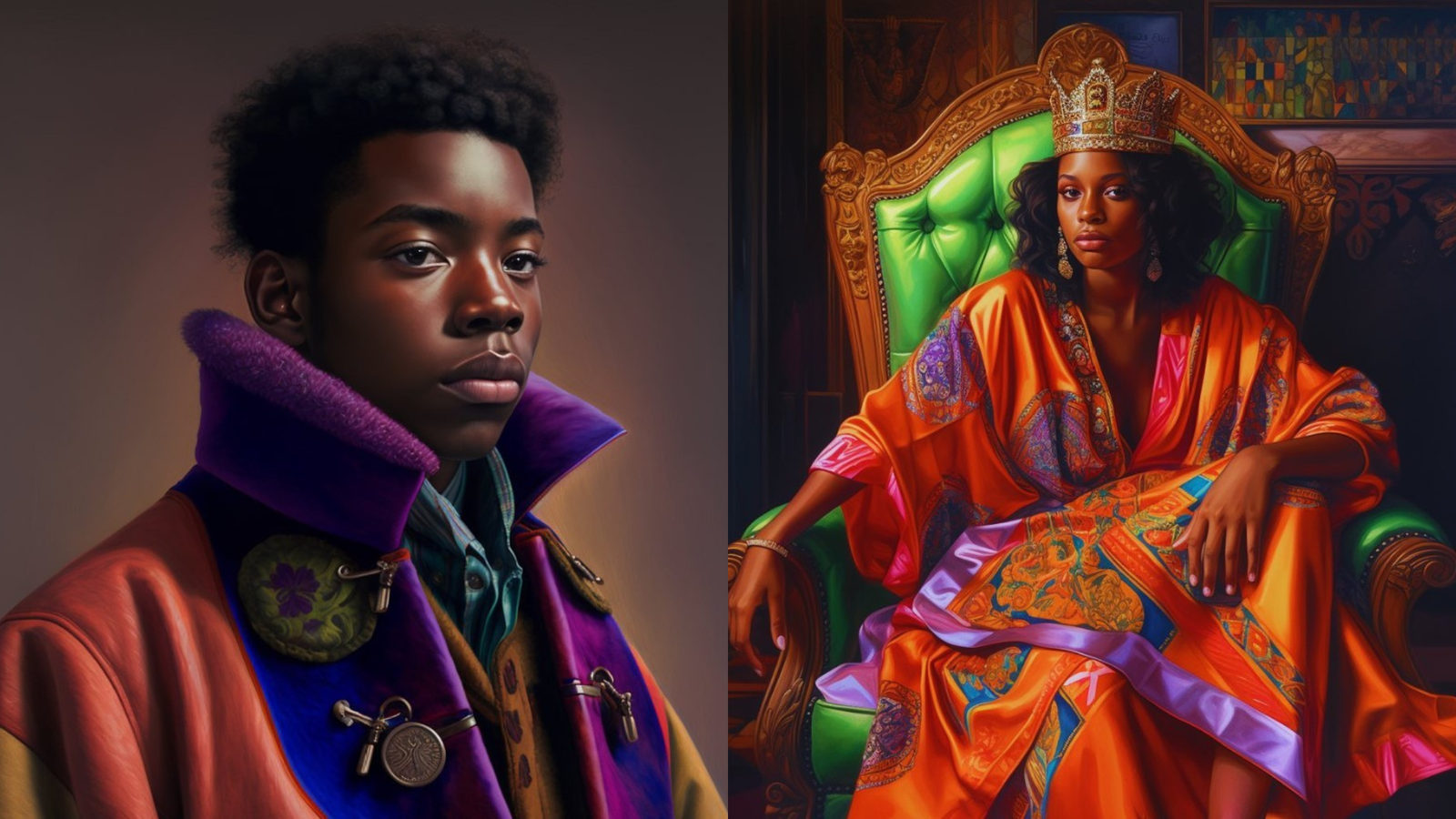
Interviews Teddy Phillips redefines spirituality and style by transforming bib- lical figures into high-fashion icons, weaving Black culture, luxury couture, and divine narratives into a Read More