



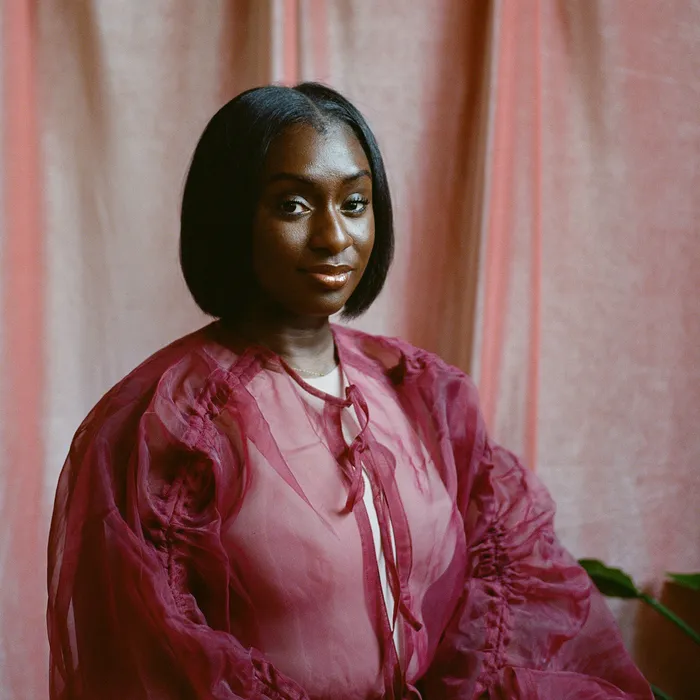
Featured Image: Vanessa Feder
On July 17, Diarrha N’Diaye-Mbaye posted on her accounts @byamicole and @diarrhaxo: “This is another love letter, not a goodbye.” N’Diaye-Mbaye, CEO of Ami Colé, announced the company’s closure and wrote an article for The Cut.
People’s comments expressed sadness, hope, and a call to action—urging deeper reflection on the significance of this closure beyond just another brand shutting down.
It has been a little over a week since N’Diaye-Mbaye’s announcement.
She wrote that Ami Colé, from its inception to now, has kept Black and brown consumers at the forefront, providing them with makeup that, in turn, helped them feel beautiful.
N’Diaye-Mbaye’s article, and people’s reactions online, suggest that this closure is more than just a #RIP to another beauty brand. It sounds an alarm to an ecosystem that still hasn’t learned how to sustain Black beauty CEOs and businesses.
After processing the news, articles, and comments, I wanted to explore three takeaways: the volatile beauty market, the perceived “risk” of Black-owned brands, and how Black inclusivity and visibility are often misconstrued as exclusivity and discrimination.
A Competitive Beauty Market
The beauty market is oversaturated and competitive. Successful marketing depends on influencer collaborations and endorsements, in conjunction with other strategies like pop-ups, interviews, and billboards. To achieve broad marketing reach, a company needs both people and money.
Innovation demands time and resources. Well-funded businesses can afford to take risks, pay for high-profile partnerships, and secure prime ad space.
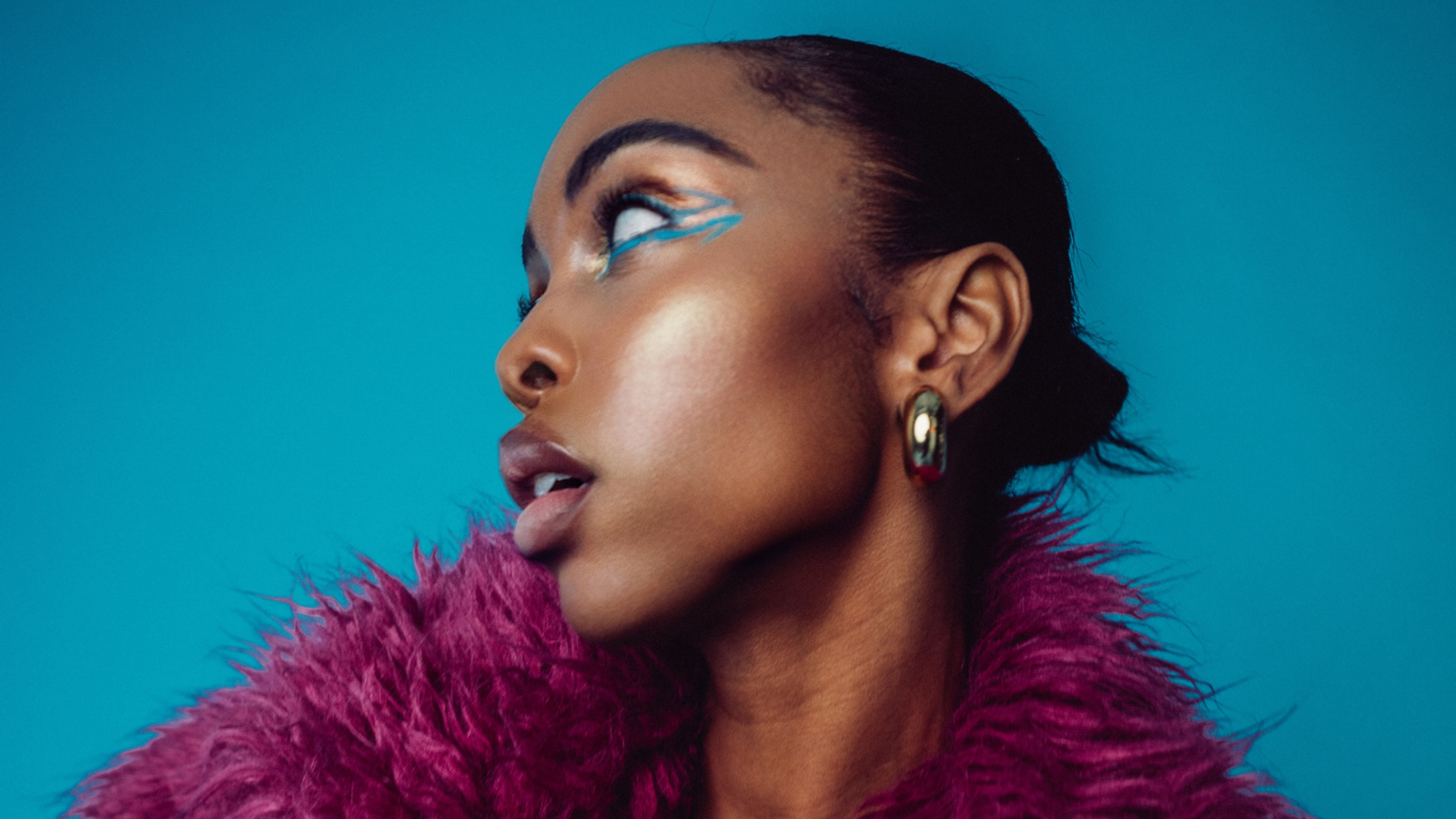
The brand’s 2024 collaboration with @ayshaharun looked amazing—but it required both time and money. Hard work only gets you so far. Money unlocks the tools essential for survival in today’s volatile beauty landscape.
Don’t You Just Love Capitalism?
For business owners, money gives both mobility and credibility.
Money doesn’t just open doors once you’re established—it builds the door in the first place.
N’Diaye-Mbaye’s brand is privately owned and backed by venture capitalists (VCs). According to FasterCapital, VCs typically invest in companies in the early stages of development and growth.
This isn’t a flawless system. These firms—with soooo much money—are run by people. And when the biases of those people go unchecked, systemic discrimination remains unchallenged and unaddressed.
N’Diaye-Mbaye’s experience with VCs reveals a troubling pattern in how many Black business owners are treated.
These unchecked biases often result in investors only taking interest when Blackness and Black people become culturally, socially, or politically relevant in the mainstream. Black entrepreneurs become useful in filling a diversity quota. This kind of thinking devalues the product, the potential of Black entrepreneurs, and the consumer base.
You’re Excluding Me
I grew up hearing about “the table.” But nowadays, it seems like every time a seat is added—or a new table is built—some people get uncomfortable and retaliate.
Example: The Fearless Fund and their grant designed to support Black women entrepreneurs. It was shut down after a legal battle.
This Isn’t The End
Black consumers are not niche. Treating them as such minimizes and erases their power and presence in the market. And Black entrepreneurs deserve the same equitable access to capital, opportunity, and endorsement as all other entrepreneurs.
So, if a company meets all the standard investment criteria—strong track record, growth potential, product-market fit—and still doesn’t receive funding, we have to ask: what else is influencing that decision?
About The Writer
[simple-author-box]
Share this post
NEWEST READS
Ami Colé’s Closing Is a Loss We Can’t Afford — And Here’s Why
3 Color Trends Black Designers Are Championing for 2025–2026
These Are the Black Designers Showing at NYFW This Season
Is ‘Quiet Luxury’ Compatible With Black Fashion Identity – Or Just Another Passing Trend?
Is The “Creative Director” Title Becoming a Trend – or Losing Its Meaning
WATCH A.TV
WATCH A.TV
POPULAR READS
Black Men Are Finally Fronting Luxury Campaigns–But Are They Allowed To Be Anything Beyond Streetwear Icons?
Reimagining Divinity Through Couture
Our Favorite Looks From The Academy Museum Gala
According to ChatGPT: Corporate Fashion Severely Lacks Diversity – Still
Mcdonald’s Partners With Elaine Welteroth For Black & Positively Golden Change Of Fashion Program

ADVISOR. RECOMMENDS
Black Men Are Finally Fronting Luxury Campaigns–But Are They Allowed To Be Anything Beyond Streetwear Icons?
Luxury As luxury fashion embraces Black men in campaigns, a deeper question emerges—are they being fully seen or simply styled into the same streetwear mold? Read More
Reimagining Divinity Through Couture
Interviews Teddy Phillips redefines spirituality and style by transforming bib- lical figures into high-fashion icons, weaving Black culture, luxury couture, and divine narratives into a Read More