


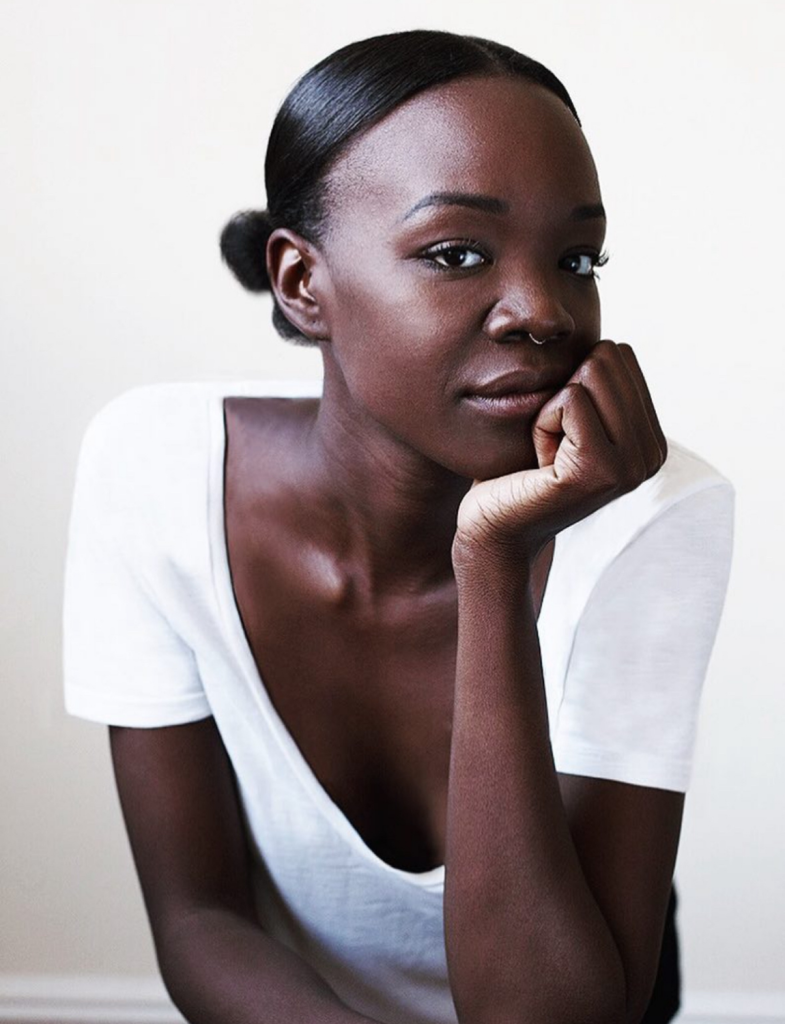
Featured Image: The Cut
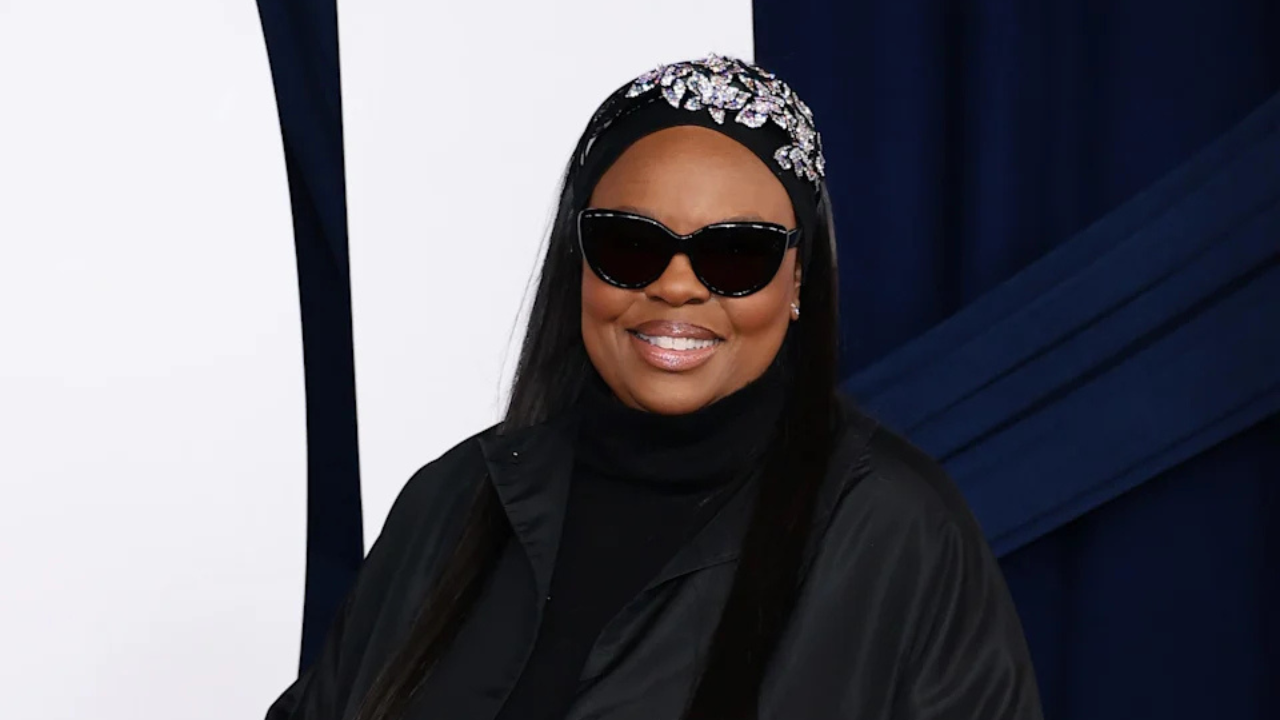
In fashion media, Black women are rarely allowed to speak plainly without scrutiny. That tension came into sharp focus with Recho Omondi, the fashion designer turned podcaster behind The Cutting Room Floor. What started as a $55,000 job listing became a viral flashpoint, exposing not just questions of labor and privilege, but the double bind Black women face. When they speak truth, their tone is dissected, their motives questioned, and their very presence on the mic politicized. This isn’t about villainy or victimhood; it’s a reflection of an industry that prizes polish over candor and aspiration over authenticity.
A SCAD-trained designer who pivoted to media, Omondi has built her podcast into one of fashion’s most unfiltered platforms. Known for interviewing powerhouses such as Law Roach and Steve Madden, she has developed a reputation for candid critiques of the industry’s inner workings. In August, her company posted a listing for a studio coordinator role offering a $55,000 salary, in-office hours from 9:30 to 6:30, and responsibilities ranging from studio coordination to administration and personal assistance. To many, the listing read like three jobs in one. By contrast, it came without benefits in one of the world’s most expensive cities. Still, the post drew over 800 applicants—a reminder of how coveted fashion roles remain even when compensation is modest.
The internet’s reaction was split. On TikTok, critics described Omondi’s defense of the salary as dismissive, pointing to her comments about hustling, living with roommates, and her past experiences earning $30,000 despite her privileged upbringing. Some labeled the role exploitative, noting that $55,000 amounts to little more than minimum wage when stretched across multiple job functions.
Others saw it differently. The fashion business account @StyleishPod argued Omondi should not be made the face of systemic wage issues. “Organizations not paying people a livable wage is the issue, but it wasn’t fair for a Black, female founder to be the poster child for that.” Meanwhile, Fashion Roadman highlighted how Condé Nast editorial assistants make significantly less than Omondi’s offer, raising questions about why her listing drew disproportionate scrutiny compared to larger corporations.
@styleishpod #cuttingroomfloor #salary #job #career #rechoomondi ♬ original sound – styleishpod
The discussion intensified under New York Magazine’s Instagram post. Some commenters challenged the outlet directly, asking why coverage centered on a Black woman founder rather than longstanding practices at legacy fashion houses. One comment captured the wider sentiment: “Yes, she’s wrong, but why was it so easy to use her as the face for unfair wages in fashion?”
That question speaks to a broader dynamic. Black women in media are often judged differently when they critique the industries they move through. Their tone is more heavily policed, their missteps amplified, and their commentary weighed with an added layer of expectation. Omondi’s bluntness—an approach others in media are often praised for—became the focal point of criticism, while the larger issue of low wages in fashion remained less examined.
At its core, this debate is about more than one job listing. Fashion continues to struggle with labor equity. Roles at established companies reflect similar pay: Celine’s VIP Assistant at $54,000, Saks’ Coordinator of Growth Marketing at $56,000, Farfetch’s Brand Specialist at $55,000. Low wages remain normalized across the industry, particularly at the entry level, even as the demands of these roles increase. For women founders, and especially Black women, the scrutiny attached to those decisions is often more severe.
What made this moment go viral was not just the figure of $55,000, but the way it intersected with money, identity, and tone in fashion media. Salary transparency has always been a touchy subject in creative industries, and attaching a number to a role punctured the illusion of glamour the field often relies on. Omondi’s bluntness, part of what has built her reputation as a podcaster, only intensified the reaction—especially when her commentary was clipped for TikTok and stripped of nuance. As one user put it: “People are saying she should have framed it as an opportunity versus the viewpoint of don’t expect to live lavishly off of this position.” The difference may seem small, but in an industry fueled by aspiration, tone can be the very thing that tips a conversation from critique to outrage.
Though Omondi herself became the center of the backlash, what the discourse truly revealed was much larger. As one observer noted, “Though Recho Omondi made this controversy go viral off of what some would think would be the delivery, this opened up a topic often brushed under the rug, and that is the undercurrent of industry issues, class, demographic privileges, labor.” It also forced a harder question: Why do topics like this play out differently when a Black woman is the one holding the mic?
The impact rippled outward. Aspiring fashion workers, many already exhausted by unpaid internships and underpaid entry-level roles, saw their frustrations finally echoed on a large stage. Independent founders, especially women and people of color, recognized how easily one of their own could become a stand-in for an entire industry’s failings, even while legacy companies that operate on similar models avoid this kind of scrutiny. And for fashion media itself, the moment revealed its current state: a space where virality overshadows nuance, where identity politics shape accountability, and where systemic wage issues only break through when tethered to a personality or controversy.
In the end, Omondi’s $55,000 job listing was less a scandal than a mirror, reflecting how fashion continues to prize tone over truth—and how Black women are too often the ones forced to pay the cost of saying what everyone already knows. Beneath the uproar lies a familiar question: who is allowed to be the messenger? Omondi, a designer turned podcaster with a degree, industry experience, and a growing platform, offered a salary in line with what major fashion houses have long paid. Yet when she did so as a small Black woman–owned business, it sparked a media frenzy. Though her podcast is rooted in candor and unfiltered conversation about the industry, the industry drew the line at her amid this controversy. Her framing—that the role was not about living lavishly but about hustling, networking, and working one’s way up in New York—was hardly new in an industry built on grit. The difference is that when Omondi said it, the message collided with identity, power, and perception, igniting a debate that was as much about who she is as what she offered.
About The Writer
[simple-author-box]
Share this post
NEWEST READS
Your Favorite Black Celebs At VMAs 2025
Black Stars in Armani: A Legacy of Elegance
Season of Color: How Black Designers Are Using Texture, Heritage, and Bold Palettes to Challenge Minimalism
Copenhagen Fashion Week: Where Sustainability Meets African Heritage
The Emerging Series: Introducing Milk & Textiles
WATCH A.TV
WATCH A.TV
POPULAR READS
How Brandon Blackwood Built a Multi-Million Dollar Brand- and What’s Next For Black-Owned Accessories
Why the Bandage Dress is Back—and How Black Designers are Reimagining This Iconic Silhouette
Black Men Are Finally Fronting Luxury Campaigns–But Are They Allowed To Be Anything Beyond Streetwear Icons?
Reimagining Divinity Through Couture
Our Favorite Looks From The Academy Museum Gala

ADVISOR. RECOMMENDS
How Brandon Blackwood Built a Multi-Million Dollar Brand- and What’s Next For Black-Owned Accessories
Business Brandon Blackwood NYC is celebrating ten years of success, from the viral End Systemic Racism tote to a history-making American Airlines partnership. His journey Read More

Why the Bandage Dress is Back—and How Black Designers are Reimagining This Iconic Silhouette
Style The 90s and 2000s bandage dress is back—but this time, Black designers are reinventing it with bold cuts, cultural storytelling, and a modern edge Read More
Black Men Are Finally Fronting Luxury Campaigns–But Are They Allowed To Be Anything Beyond Streetwear Icons?
Luxury As luxury fashion embraces Black men in campaigns, a deeper question emerges—are they being fully seen or simply styled into the same streetwear mold? Read More