


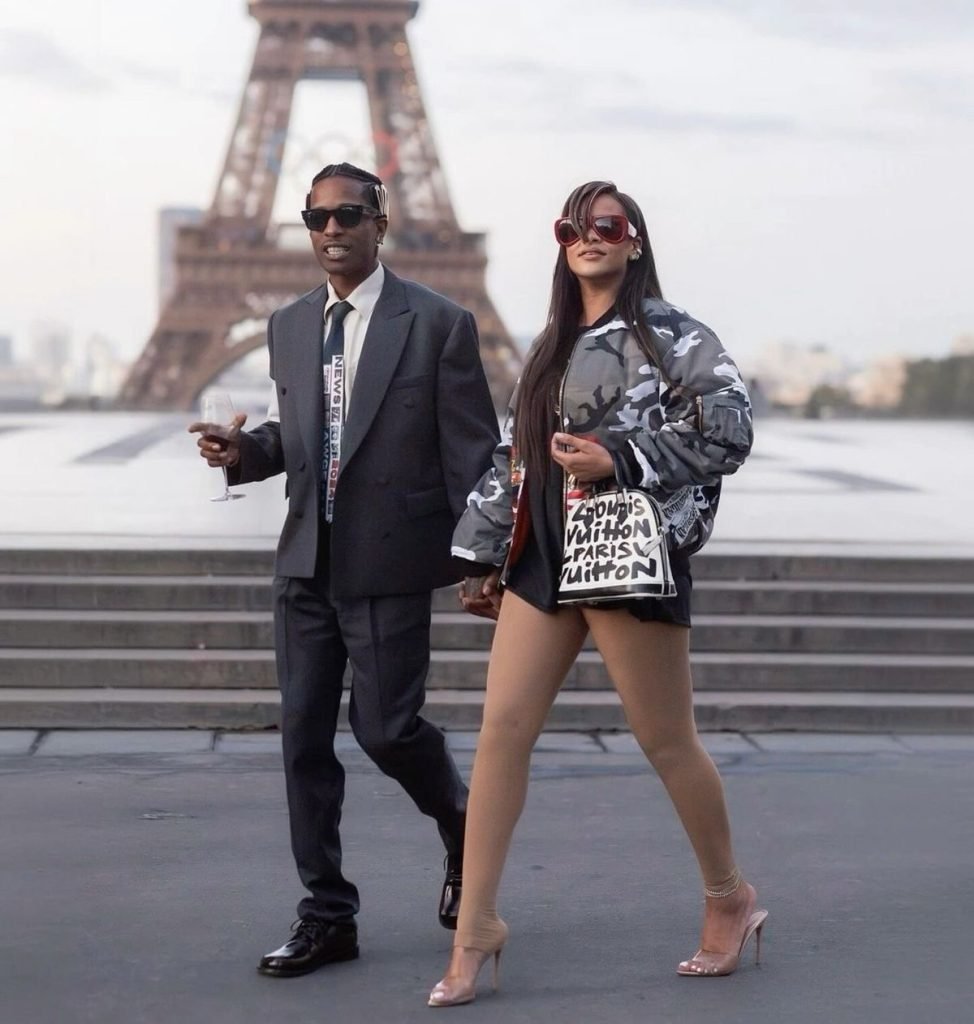
Cover Photo Credit: ABC News
Streetwear is more than just a fashion trend; it’s a cultural movement that has reshaped the global landscape of style, pushing boundaries and redefining what it means to be fashionable – no matter how much money is sitting in your bank account. This article emphasizes Black fashion Icons; how they have and are continuously shaping and redefining streetwear from a subculture into a global force that commands respect.
At the core of this revolution is Black culture, which has long used fashion as a powerful tool for self-expression, empowerment, and identity. From the streets of Harlem to the runways of Paris, streetwear has become a medium through which Black artists, musicians, designers, and creators reclaim space, challenge societal norms, and redefine luxury.
In the world of streetwear, style is not just about clothing—it’s a statement, a way of declaring who you are, where you come from, and what you stand for. These trailblazers not only reshaped fashion, but through their unique approaches to style, they also reclaimed their narratives, turned cultural expressions into art, and inspired a generation to redefine what it means to be truly “cool.”
Dapper Dan
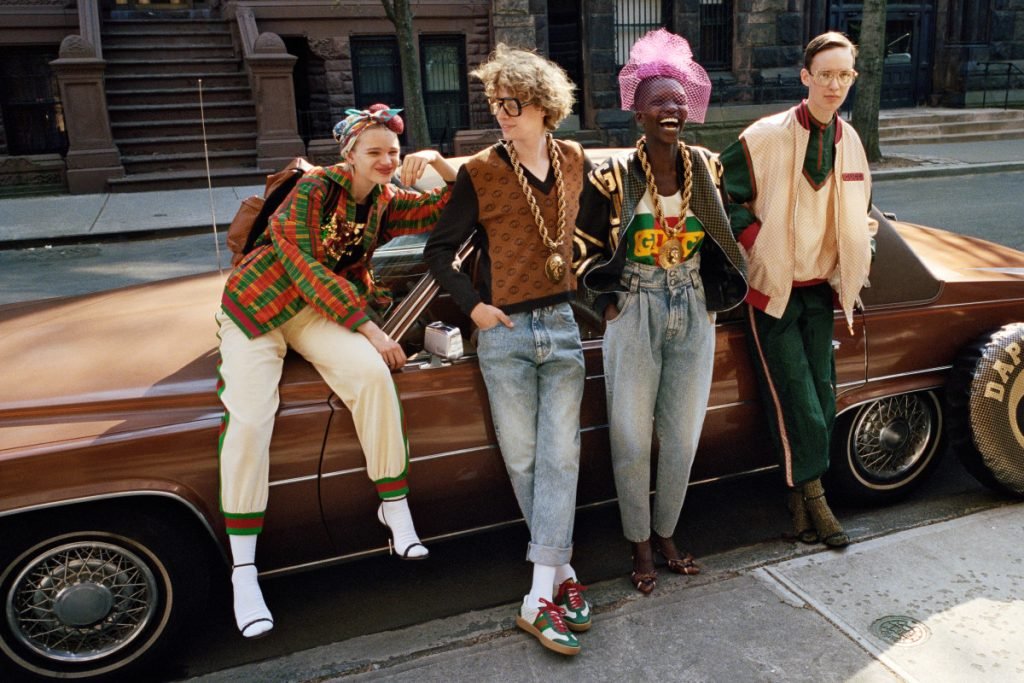
Let’s start from the beginning, with one of the most important pioneers who formed what streetwear would look like for years to come, Dapper Dan. A Harlem-based designer and cultural icon played a pivotal role in shaping and redefining streetwear’s fusion with luxury fashion. During the 1980s, he revolutionized the fashion scene by opening his own boutique. This boutique housed the reimagining of high-end brands like Gucci, Louis Vuitton, and Fendi, adapting them to the cultural landscape of the “streets” by screen-printing the logos onto hip-hop wear.
By reworking these luxury brand fabrics into oversized, bold designs—often combining them with hip-hop and rap culture—Dapper Dan turned what had once been exclusive into something distinctly accessible. His designs, known for their over-the-top aesthetics, became synonymous with hip-hop’s rebellious spirit.
However, it wasn’t just about creating flashy, logo-heavy pieces. Dapper Dan’s work represented a reclamation of space, allowing Black individuals to insert themselves into the world of luxury, a world that had long excluded them. He turned the streets into a legitimate runway, reminding the fashion industry that culture—not just couture—is what drives innovation. His legacy is one of both disruption and empowerment, as his work helped redefine what was considered “luxury” and what could be “inspired” by high fashion.
Missy Elliott: Pioneering a Fearless, Gender-Fluid Aesthetic
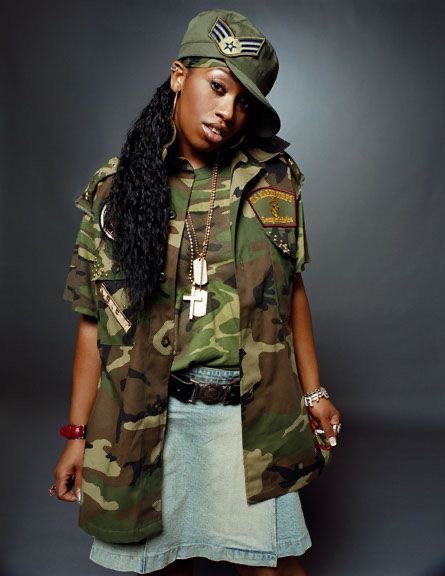
Missy Elliott’s influence on streetwear can’t be overstated. Through her music videos, red-carpet appearances, and public persona, Missy embodied a bold, fearless style that was ahead of its time. Her willingness to experiment with oversized clothing, futuristic accessories, and cutting-edge streetwear styles helped pave the way for a generation of women in hip-hop to embrace a look that was simultaneously tough, playful, and unapologetically feminine.
Missy’s aesthetic was about breaking down boundaries— redefining streetwear meant mixing streetwear staples like baggy pants, chunky sneakers, and hoodies with high-fashion details. Her style not only defied conventional beauty standards, but also challenged traditional gender norms, creating a space for women to wear “masculine” styles without losing their femininity. By using fashion as a vehicle for self-expression, Missy Elliott helped shape streetwear into a space that allowed Black women to take ownership of their own narratives.
Andre 3000: Blurring the Lines Between High Fashion and Hip-Hop

What made Andre’s fashion so powerful was how it gave permission for men to embrace fashion as an art form—without fear of judgment. Whether he was rocking a fur coat, oversized bell bottoms, or a bold graphic tee, Andre 3000’s style was a reflection of his musical genius: unconventional, free-spirited, and deeply rooted in Black cultural heritage. His ability to blend humor and wittiness with high art influenced a generation of men (later mentioned in this list) to embrace their own individual styles while rejecting traditional gendered expectations in fashion.
Ye AKA Kanye West: The Rise of Yeezy and the Intersection of Streetwear and Luxury
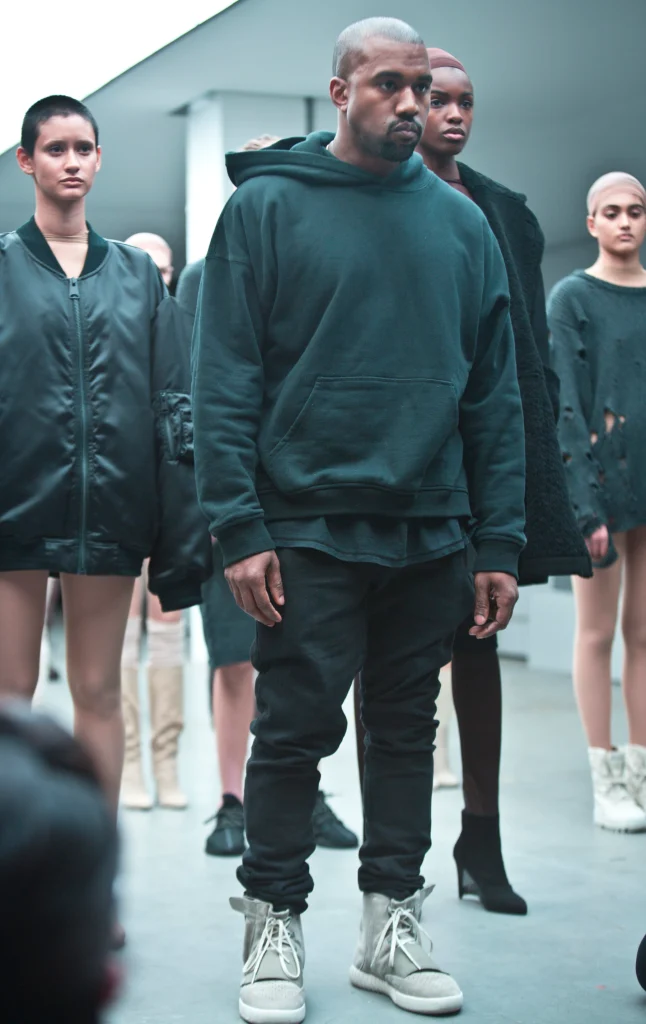
Few people have influenced the landscape of modern streetwear as dramatically as Kanye West. From his early days as a rapper with a keen sense of style (Polo’s and big gold Roc-A-Fella chain) to becoming one of the most influential designers of the 21st century, Kanye is constantly redefining streetwear into an international, high-fashion phenomenon. After years of collaborating with prestigious brands, visionary directors and attending various fashion shows, Kanye was able to construct his own brand. The creation of Yeezy allowed Kanye to merge the minimalist and utilitarian streetwear into a symbol of global aspiration.
What Kanye accomplished with Yeezy was more than just designing sneakers, oversized tee shirts, and hoodies — he blurred the lines between high fashion and street culture, creating a product that appealed equally to luxury buyers and urban youth. His designs, often characterized by neutral tones, oversized silhouettes, and futuristic aesthetics, redefined what was important in fashion. Kanye also used fashion to make a statement about individuality and empowerment, offering a platform for marginalized voices to be heard in the world of luxury fashion.
Kimora Lee Simmons: Street Glamour and Empowerment
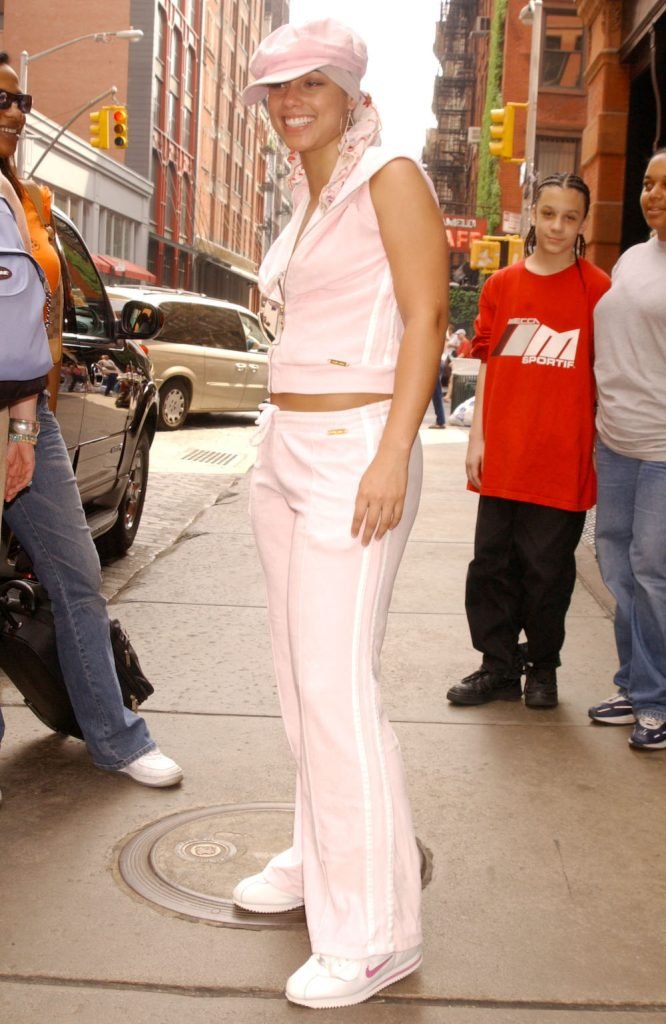
Kimora Lee Simmons is a key figure in the story of Black women’s role in shaping and redefining streetwear and luxury fashion. As the founder of Baby Phat, she was at the forefront of the early 2000s fashion wave that saw streetwear intersect with glamour and luxury. Through Baby Phat, Kimora successfully blended hip-hop-inspired fashion with a polished, glamorous aesthetic, creating a brand that resonated with Black women, specifically, and urban culture at large.
Kimora’s personal style—a combination of high-end labels, oversized fur coats, and rhinestone-studded accessories—was a direct reflection of her brand’s philosophy: luxury could and should be for everyone, despite your background. She empowered women to embrace their bodies, shapes, and their culture through fashion, making Baby Phat a symbol of confidence, glamour, and street credibility all at once. Her influence was profound, as she created a brand that spoke to the aspirational nature of Black culture while remaining accessible in price and inclusive in sizing.
ASAP Rocky: The Perfect Blend of Street and High Fashion

ASAP Rocky has been a central figure in bridging the gap between streetwear and high fashion. Known for his impeccable taste, Rocky seamlessly blends luxury fashion with the gritty elements of street style, often sporting high-end designers like Raf Simons and Gucci alongside streetwear staples like Supreme and Nike.
Also raised in Harlem, it is shown through his sense of style that he has been influenced by Black pioneers such as Dapper Dan and Andre 3000 with his take on blending stylish silhouettes and tailored suits. His most recent collaborations with brands such as Puma, Dior, and Fenty reflect his own creative direction with various fashion projects that have helped him become a tastemaker in both the street and luxury worlds
Through his sartorial choices, Rocky has proven that Black culture can own both the streets and the runway. He has built his identity around music and fashion and that was evident once he released his own line, Hood By Air and his most recent mysterious creative agency AWGE. AWGE took to Paris Fashion Week Runway with its first ever show titled “American Sabotage”. These cultural impactive & alternative lines are the perfect blend of what you see on the streets but featured in fashion magazines. His ability to merge high-end fashion with streetwear not only redefined his own personal style but also helped solidify the cultural influence of Black designers and creatives in global fashion.
Rihanna: Breaking Fashion Barriers with Fenty
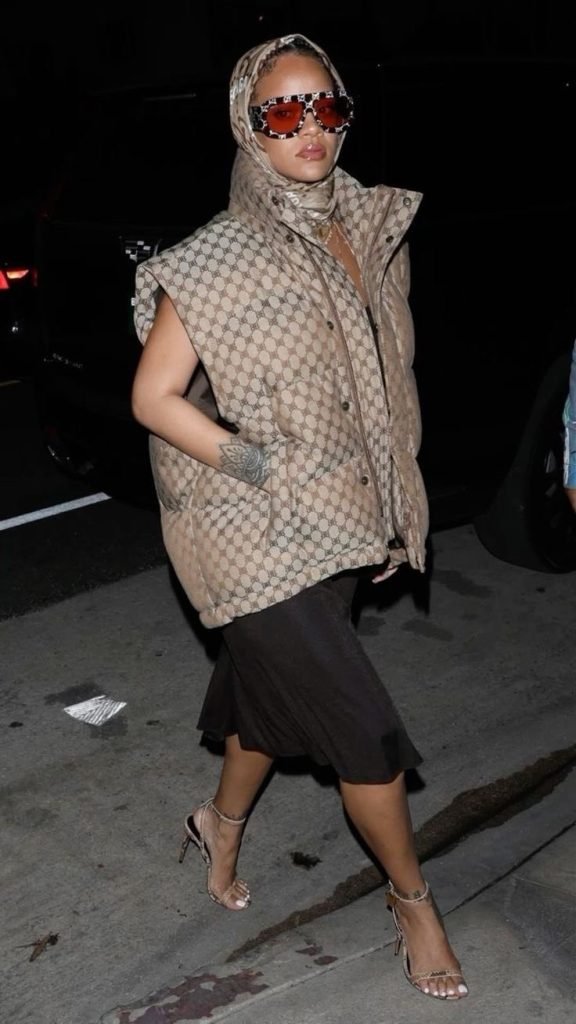
With Fenty, Rihanna brought inclusivity to the forefront, embracing diversity in gender neutrality, sizing and cultural representation. By taking control of her narrative, she showed that Black culture could seamlessly intersect with high fashion, creating a space where streetwear meets luxury in the most authentic way.
Rihanna’s influence on streetwear is vast and multifaceted. Not only has she been a style icon, but her partnerships with brands like Puma and the creation of her own line, Fenty, have made her a powerhouse in both the fashion and business worlds. Rihanna’s style is known for its boldness, versatility, and fearlessness—whether she’s rocking oversized streetwear, couture gowns, or athletic chic, Rihanna has turned fashion into a form of rebellion and empowerment while redefining streetwear for women everywhere.
Beyoncé: Elevating and Redefining Streetwear with Ivy Park

Beyoncé’s influence on streetwear may be more subtle, but it’s no less significant. Through her Ivy Park collection with Adidas, she created a brand that celebrates athletic wear, casual chic, and empowerment. Combining sporty aesthetics with sleek, fashionable design, Ivy Park has redefined how streetwear can look and feel—melding comfort, style, and inclusivity in one package.
Beyoncé’s personal style, ranging from athleisure to high-end glamour, reflects her ability to move between worlds effortlessly. If you’re drawing inspiration from Queen Bey, tap into your own Cowboy Carter here. She’s helped shape a more inclusive vision of streetwear—one that champions the strength and versatility of women, particularly Black women, in ways that have resonated globally.
Tyler, the Creator: The Future of Redefining Streetwear

Tyler, the Creator has always been a trailblazer in both music and fashion, with streetwear serving as one of his earliest forms of identity and self-expression. In the early days of his career, Tyler was an outspoken figure in the streetwear scene, frequently endorsing brands like Supreme and growing up on the streets of Fairfax in Los Angeles. Supreme, in particular, played a significant role in his early fashion identity, and Tyler’s frequent appearances in their iconic gear helped solidify his place in redefining streetwear’s underground world.
Golf Wang, Tyler’s first streetwear brand, was his major contribution to the streetwear scene, offering a DIY-inspired, playful alternative to the often rigid norms of traditional fashion. The brand, known for its vibrant colors, bold patterns, and graphic-heavy designs, became a symbol of Tyler’s artistic freedom and rejection of mainstream conformity. Through Golf Wang, Tyler helped popularize the idea that redefining streetwear could be both avant-garde and approachable, challenging the norms of how fashion could express individuality.
But Tyler’s creativity doesn’t stop with Golf Wang. His newer brand, La Fleur, represents an evolution in his fashion philosophy—one that moves seamlessly between high-end luxury and street style. While La Fleur initially started with casual, flower-themed collections, it has since morphed into a more refined brand that blends sleek tailoring, premium materials, and luxury sensibilities with Tyler’s signature quirky and colorful approach to fashion.
Virgil Abloh: Redefining Luxury Through Streetwear

As the founder of Off-White and the first Black artistic director of Louis Vuitton’s men’s wear, the late Virgil Abloh’s impact on redefining streetwear cannot be overstated. Through Off-White, he blended the worlds of high fashion and street culture, reimagining streetwear with a luxury twist. His designs, often incorporating bold typography, quotation marks, and deconstructed elements, became a hallmark of modern fashion innovation.
Virgil’s role in bridging these two worlds redefined what it meant to be a “streetwear designer.” His work showed that Black culture could own luxury fashion, adding intellectual and cultural depth to a space once dominated by Eurocentric designs. Abloh’s influence was not only aesthetic but deeply philosophical, as he used fashion as a platform to critique the systems of power within the fashion industry.
The Intersection of Culture, Identity, and Fashion
The iconic figures highlighted above have shaped not just streetwear, but the broader cultural and societal understanding of fashion as a form of identity. Through their creativity and bold choices, they’ve shown that fashion is a powerful tool for reclaiming space, expressing individuality, and challenging norms. Streetwear, as influenced by Black culture, has become a dynamic force in the fashion world—one that not only pushes boundaries but also redefines what fashion means in today’s global, ever-changing realm.
These icons have shown that when fashion is authentically tied to culture, identity, and history, it becomes something much more than clothing—it becomes a movement. And in that movement, Black culture continues redefining streetwear by leading, inspiring, and shaping the future of style for generations to come.
About The Writer
[simple-author-box]Share this post
Prev ArticleNEWEST READS
Ready to Workout? Here Are 4 Black Owned Athleisure Brands To Shop With
Don’t Be Racist: Drawing the Line Between Fashionable and Racism with the 2025 Met Gala Theme
According To Black Gen-Zers: These Are The Fashion Trends To Watch Out For
Worried About the Port Strike? Here are 5 Tips to Make Sure Your Business Doesn’t Suffer This Upcoming Holiday Season
Our Favorite Black Fashion Influencers Of The Week Vol. 4
WATCH A.TV
WATCH A.TV
POPULAR READS
Our Favorite Looks From The Academy Museum Gala
According to ChatGPT: Corporate Fashion Severely Lacks Diversity – Still
Mcdonald’s Partners With Elaine Welteroth For Black & Positively Golden Change Of Fashion Program
Our Favorite Black Fashion Influencers Of The Week Vol. 3
Why Fast Fashion Companies Are Detrimental, Especially To Black Fashion Creatives
LISTEN
Latest Epsiode: Bonus Episode
ADVISOR. RECOMMENDS
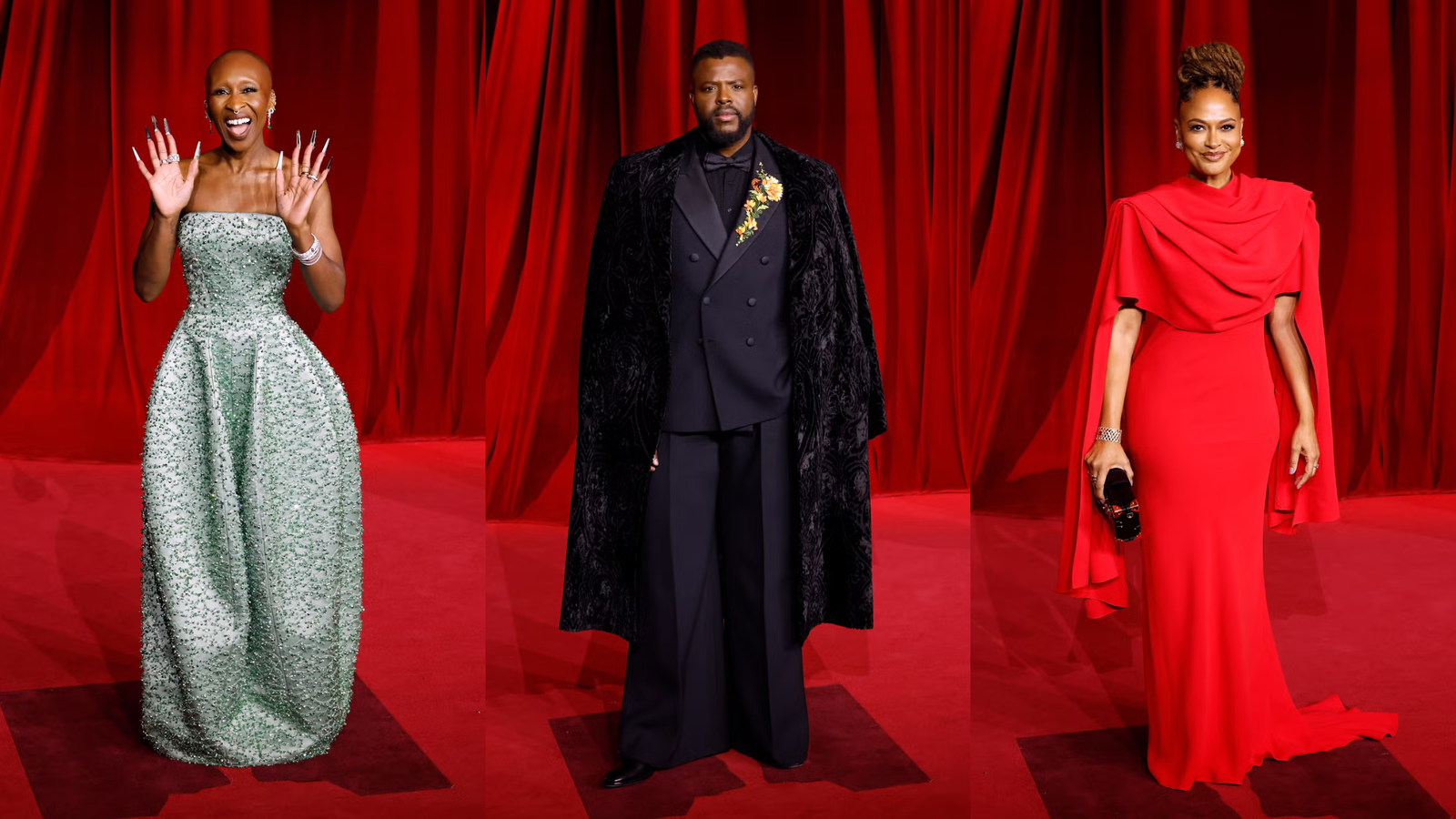
Our Favorite Looks From The Academy Museum Gala
Celebrity Can you say ATE IT UP! Read More
According to ChatGPT: Corporate Fashion Severely Lacks Diversity – Still
Business ChatGPT Says – We Have Work To Do Read More