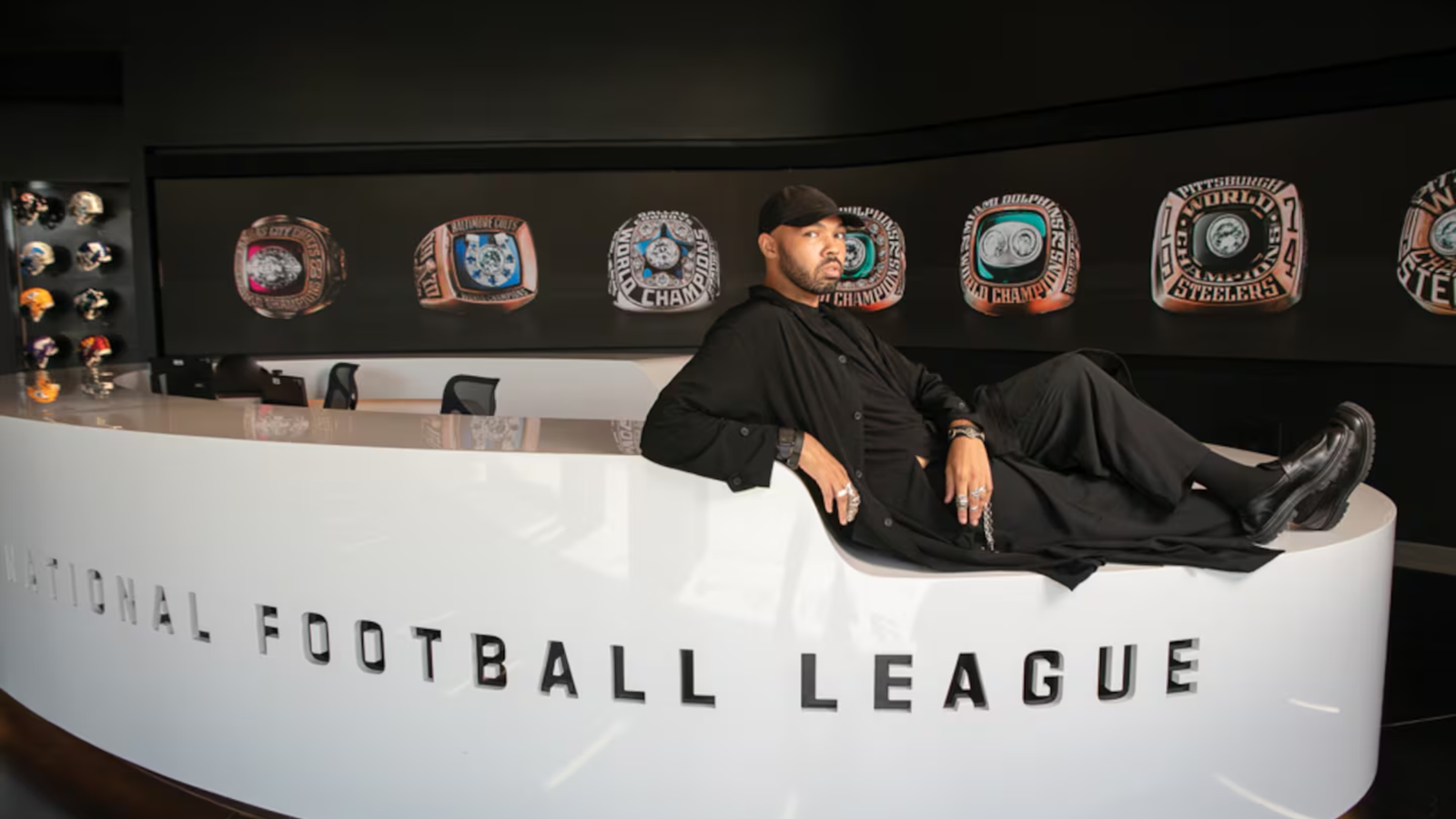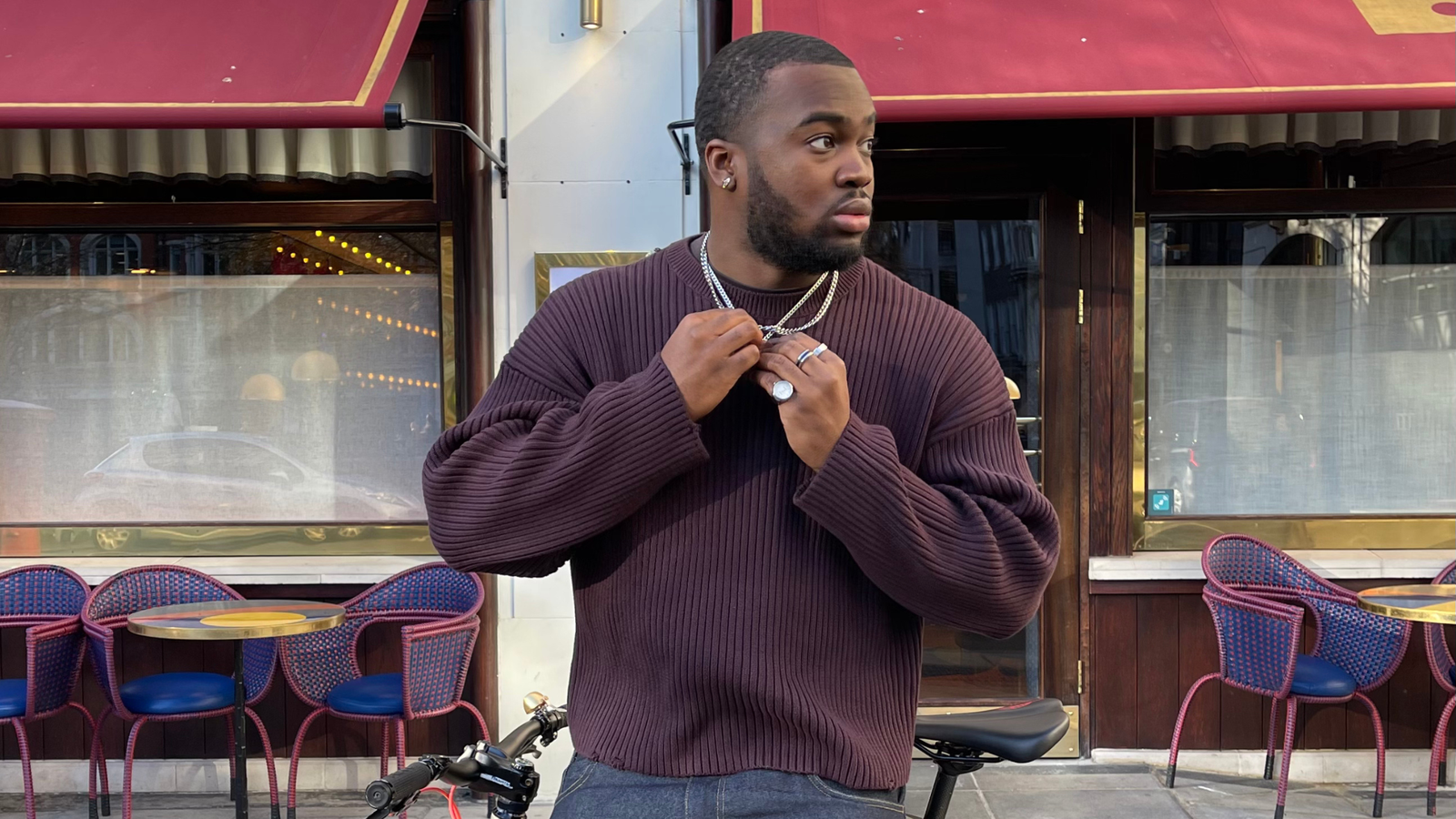
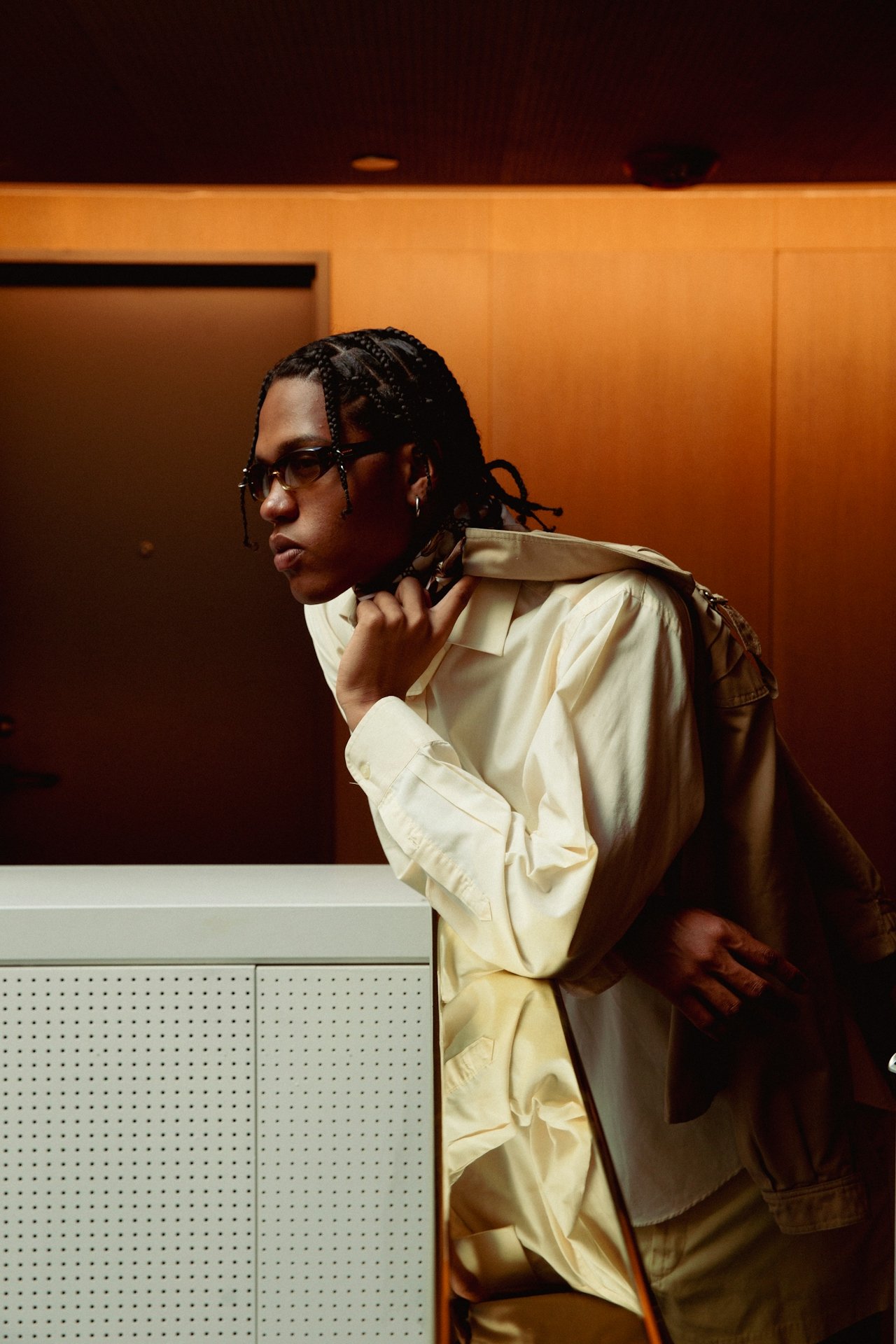
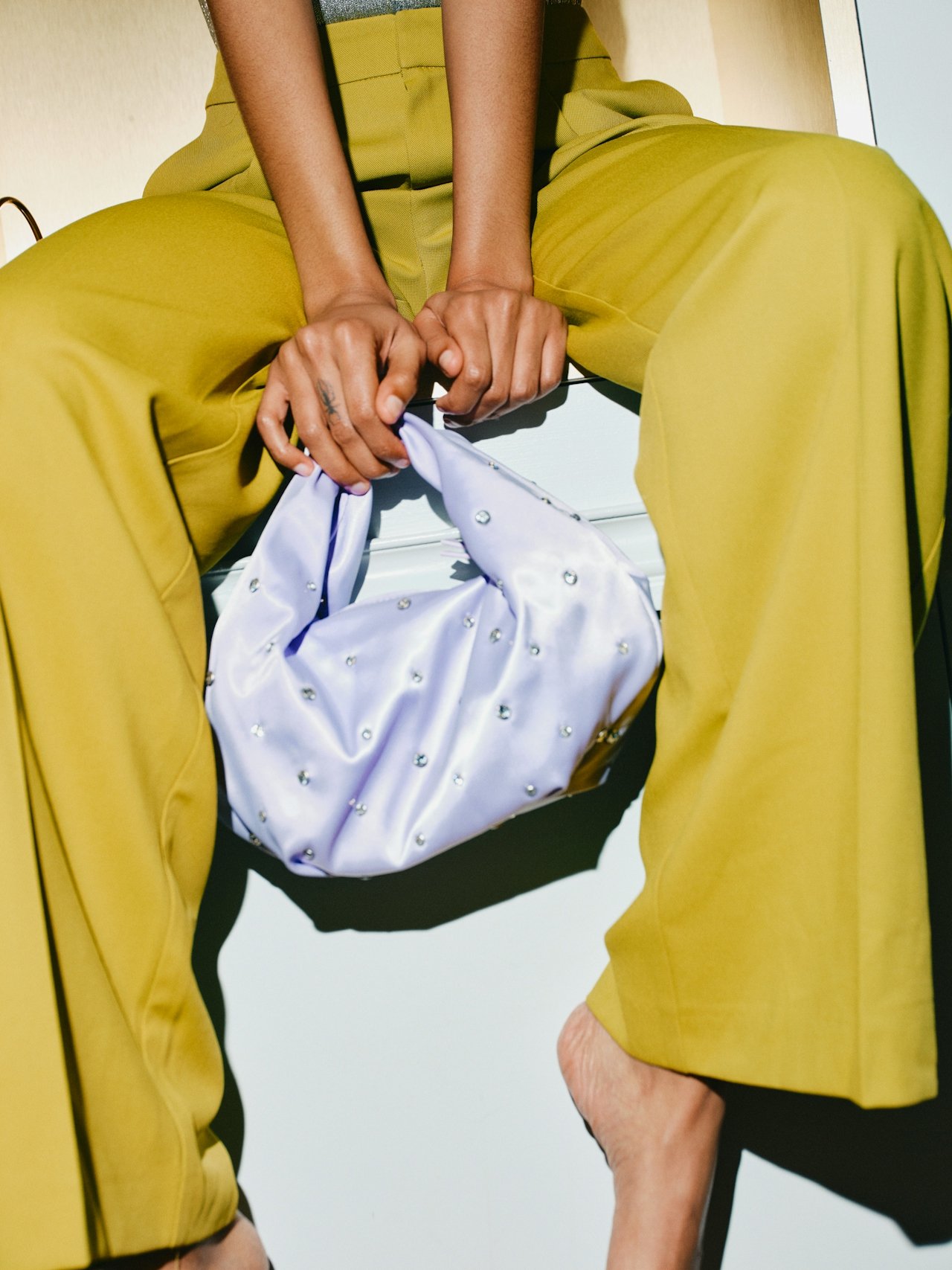



I had the honor of sitting down for an interview with the one and only Patrick Cupid. His namesake luxury womenswear brand has been making waves in the sustainable fashion industry since 2017. Not only are his timeless and elegant pieces crafted with the aesthetics of the modern woman in mind, but also the ideologies. Ethical and sustainable clothing production are paramount to him in his craft; from sourcing and manufacturing his pieces locally, to repurposing unused fabric, he constantly strives to keep his environmental impact small and his social impact larger than life. Patrick Cupid is all about authenticity and individuality, therefore I wanted to sit down and get to the bottom of who he is and what has motivated him in his journey to get to where he is today.
Dylan: “What made you want to get into slow and sustainable fashion?“
Patrick: “It really is something that is dear to my heart. I often tell this story because it’s true and it literally just makes me cry; but when I was young, especially in the summertime, me and my friends would be coming back from going swimming or something and we’d lay our towels on the roof at night and stargaze. You could see the milky way, see the stars, view the constellations; I mean a beautiful, clear night sky over New York City. By the time I got to high school you had to go maybe an hour to two hours north of the city to see the stars, and by the time I finished high school the stars were gone. Now that I’m a professor, some of my students who are in their early twenties have never seen a clear night sky; so you know this is an issue. Even as a kid digging through the soil making mud pies or going to the beach and to make sandcastles, there was glass and garbage where there shouldn’t be. I don’t know why but that stood out to me. All these broken things when you’re just looking for rocks or snails, I thought why is there garbage? I saw this and I decided I don’t want to be that kind of contributor. I don’t want to contribute to taking away more of the stars. The last time I really saw them was in 2014 in Tuscany, where everything is untouched and pristine, it’s just grass and trees for miles, it’s been that way for thousands of years and it’s beautiful. I thought okay, if we just start leaving things alone and taking care of what we have, these wonders of this planet can be amazing. Having a night sky, imagine coming to New York and having a night sky full of stars, like that’s amazing. So the fact that some people don’t know what that is or don’t remember what that’s like, I can’t be responsible, I can’t be a part of that. It’s hard to watch that all disappear because of peoples’ greed and lack of care. I’ve always had a fascination about life and it’s been such a huge part of who I am.”
Dylan: “You often use really bright colors and bold patterns in your pieces, what has drawn you to such expressive elements? Do you feel like those represent your personal style?“
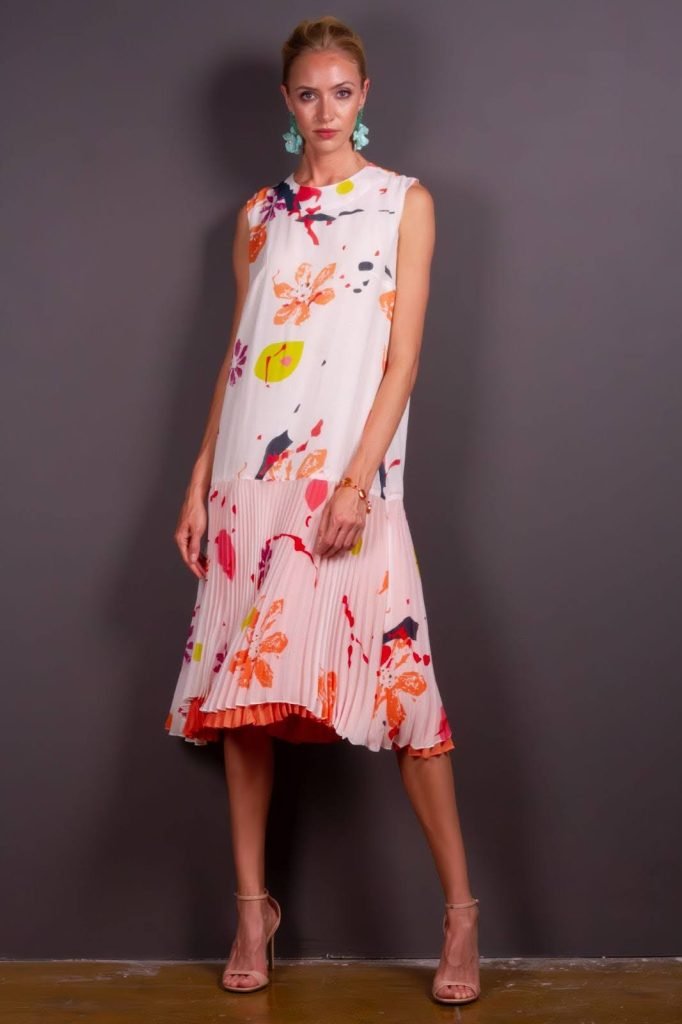
Patrick: “My personal style changes constantly. I’ve gone through an all-black drapey knits kinda phase, a baggy pants phase, when I was in highschool I’d do the whole JNCO jeans wide legged skater look…I really just dress for how I feel and I think the style of the brand is reflected in that, but ultimately the inspiration is women. I really started to look around at the women in my life and just women in general as I traveled and I was able to find this common thread that they don’t give into social constraints, they truly dress for themselves. It’s about individual style with women.”

Dylan: “Would you say that’s what drew you to create womenswear?“
Patrick: “There’s always been a fascination with womenswear, menswear too. I would say that goes back to my childhood too. I loved watching black and white movies with their gorgeous costuming and I loved learning about history, I loved to read and we had all these encyclopedias in the house that I’d study. There was always so much more happening with womens clothing where men kinda just dress the same, there are slight changes and slight variations but it seems like it’s always a black suit if you wanna get dressed up. But with women there’s so much more room to play. You know, you can go anywhere and do almost anything and it’s just a lot more fun. With men I’m trying to find ways to open them up as well, bringing colors to men, but the bright colors, I guess it’s kind of a subconscious thing that happened by accident. My family is Caribbean and growing up in the Bronx in New York we knew a lot of West Indians from places like Trini and Jamaica. Especially in the 90s with purple or pink hair and finger waves, nowadays that’s trending, but back then the women who started styling their hair like that were doing it because it felt true to them. That stuff is mainstream now but back then it was avant garde. People would make fun of these women and say things but they didn’t care because it’s what they wanted to do, and I just loved that. As I developed a collection I just started seeing all these colors, there’s so many crayons in the box to use, I just wanted to see what I could mix up. It’s about joy – the whole clothing experience should be fun. I mean you go in your closet after spending money on these things, you live with them, you wanna open your closet and smile. These are the things you put on your body, they should make you smile. We spend a lot of time paying attention to our imperfections. Oh my hips are too wide, or my shoulders are too big, no no no it’s time to stop doing that. Putting on an outfit should be for you, not to impress some guy or not because it’s trending, not because you have to fit into the crowd with your friends.”
Dylan: “With how saturated the fashion industry in New York is, how did you know you’d be one of the designers to make it into the public eye and what inspired you to keep pushing for your recognition?“
Patrick: “Well, I can’t say that I knew. All I knew is that I wanted to design clothes. The first time I could hold a pen or a pencil I was drawing clothing; didn’t draw people, didn’t draw animals, I wasn’t concerned with flowers or trees or stick figures or the sun. It was always clothing, even before I knew designers were a thing. I would watch a movie or read a book, I watched lots of documentaries too, and I would then go grab any paper and pencil I could find and I would just draw what I saw in them. I had to go to my mother to learn how to draw people just so I could draw clothes on them! I would save my money and one of the first things I would buy were colored pencils and sketch books, and before the day was out my sketch book would be full of just clothing. Then I discovered I could sew without being taught.”
Dylan: “How did you discover you could sew?“
Patrick: “We always had [sewing] machines around the house. My mother would sew all the time; I remember once she made this gorgeous suit out of burlap with a satin lining, still I want to recreate that because it was so gorgeous. It was also the 80s, and back then if you were going to a big function like a wedding or prom you had your clothes made, either you’d make them or you’d go to the seamstress. You didn’t throw those clothes out like we do today, you’d mend them and pass them down, it was just a different mindset. I remember first realizing I could sew when a button came off my shirt. I was able to reach for the sewing kit, thread the needle, and sew it back on. How I knew this, I don’t know, it just happened and I kept going with it. I would make doll clothes and fix things up around the house. My mom would kill me because I’d go into her closet and cut something up, but she had such nice fabrics and my kid brain couldn’t resist. I made doll clothes out of them and I had to hide them because I knew I’d get in trouble! By the time I got to middle school I would always watch Fashion File and they did a feature on Karl Lagerfeld, and seeing that something kinda clicked like, okay he does this. He’s drawing and sewing and making clothes, that’s what I do! “
Dylan: “Would you say you’re greatly inspired by the women in your life?“
Patrick: “Yes, growing up it was my mother, my three aunts, and my grandmother. My grandfather owned a contracting company and we owned a church in the South Bronx so my family were the church girls. Unfortunately none of them had marriages that worked out so these were women with careers, they truly worked. Two of my aunts were doctors, my aunt Barbara was a teacher, and my mom was a dietician for a while but she was the wild, creative one. She was a hair stylist for a bit, she had a catering company, she was a hat maker for a while, anything she wanted to try she would.
Without knowing their history and just seeing them you could see they were four completely different women that happened to be sisters. There were similarities in taste because they lived in the same household, but the style of dress was totally different. Going to church on Sunday they would all get dressed up, shoes were a big thing, hats were a big thing, but they also loved to party so seeing them in their party dresses going out, it was so inspiring how they were always put together in their own individual ways. There were rules: you don’t go outside without your hair combed, not without makeup on, you just always pulled yourself together to go out. It didn’t matter what was going on inside your household, it’s not everybody outside’s business. It was those things, that fierce independence, these were not the kinds of women you could tell not to do something.
Even in my female friends now, I look at them and there’s a lot of that. You know, to hear them talk and to see them work there’s fiery independence, self-motivation, and ambition. They are really out like this is what I want, I’m here because I want this and I want to do this. Yeah I’ll date or I’ll go out but that’s really more of a secondary thing. You know it’s not all about getting married and having kids, and some do that, but that’s not the only way to go and the only way to be. They want to travel and shop and do things they want to do.”
Dylan: “One thing that I really love about your collections is that you reuse fabrics from past seasons, it almost seems like you’re creating a story with your customers and their capabilities for shopping and styling. What do you feel is the story your clothes are telling through the wearer?“
“It’s an ongoing story about reinforcing autonomy and styling yourself, keeping that vigor alive. To me clothing has sentiment and I want the clothing I create to have sentiment by way of the wearer. If you’re buying it, it’s because it’s something that resonates with you. Being able to keep that going and move the collections in a way that they support each other and talk with one another allows for that, and you’re keeping the clothing longer. You’re not throwing things away in the way we’ve grown accustomed to, not doing the fast fashion thing of buying something, going out in it, and coming back thinking you need to throw it away because it wasn’t made well and it’s falling apart, then going back to shopping. Don’t get me wrong, I don’t want you to stop shopping, but I want you to shop with wisdom. I want you to think of it as an investment and know the quality you’re buying. To be able to have things where even if you don’t wear it for a while you can pull it back out again and it evokes that smile, that joy. Even when you buy something new [from Patrick Cupid] you can go back into your closet and the things you already own and see oh I could wear this new blouse with these pants he made. I want these clothes to carry on. I want the next generation to be going through mom’s closet, or grandma’s, or your older sister’s closet and you go oooh what is this? I wanted to build something that lasts even after I’m gone.”
Dylan: “What would you say has been your proudest accomplishment of your career?“
“Starting. Starting. Absolutely starting. You know I held off for a long time like many of us do, sometimes we hesitate and fear comes in and takes over and makes it hard to start. Just to decide I’m not waiting, it’s now or never, trusting and having that faith in myself and what I can do. There will never be a bigger or prouder moment regardless of what the future holds than just beginning, because everything else comes after that.”
Dylan: “Is there anything you’re not already doing that you’d like to accomplish with your brand in the future?“
“Yes, I would like my own brick and mortar. Even more so than online, I think there’s a difference in the experience seeing people face to face. They can try the clothing on rather than just seeing it in their head; I want to create more of those experiences. I think of having a place for people to come and really experience the world of the Patrick Cupid brand. It would also allow me to do things that are more direct and more affordable to reach more people. I like that whole idea of just giving you [the customer] more control. I love my retail partnerships, they really do get the clothes out there, but I would really like to show people a little more of what’s there; the things they don’t always get access to. They get to try and see the clothes without them being mass produced and shipped out all over the place. I would like to find a way to get the product to the people without creating a lot of waste.”
Dylan: “Do you have anything new in the works that you’d like to share a bit about?“
“Currently I’m rolling out a new line of bags starting with the Pedro and Antony totes, they are 100% genuine leather. I looked into alternate sources for leather because I am not pro animal cruelty in any way shape or form, but I cannot abide putting plastic and polymers into the landfill. Leather just seemed right and like the most sustainable and responsible way to go. We’re also going into some menswear, we’ve tested the first bit in our Fall/Winter collection, so far the response has been good so hopefully we’ll be doing some more.”
Dylan: “One last question, what is one piece of advice you’d give to a designer looking to get into sustainable fashion and making it their own?“
“Weigh what you have against what you want to do, and that is where you begin. Often one of the major reasons why people don’t start is because they’re afraid, and don’t think they have enough money or resources. We have more wealth within us than we realize. When you sit down and take stock of what it is that you can make with your own two hands, and the people in your life who are there to support, even where we live, you realize you have more than you need to just get going.”